


The Solo Cooking Challenge
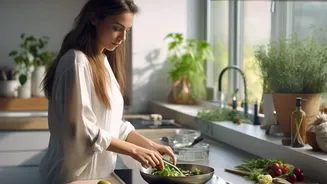
The modern food landscape isn't always designed for the solo diner. Supermarket packaging often caters to families, recipes are typically portioned for four or more, and the motivation to prepare a full meal for just yourself can wane after a long day.
This can lead to a frustrating cycle: you buy fresh produce with good intentions, only to see it wilt in the fridge. Or you commit to a recipe, and then face the same meal for five days straight until you can't stand the sight of it. The alternative—relying on convenience foods and takeaways—can be costly and often less nutritious. This common dilemma makes cooking for one feel more like a chore than a creative and nurturing act. The key is to shift your mindset from simply scaling down family-sized habits to adopting a new system altogether.
The Power of Shared Ingredients
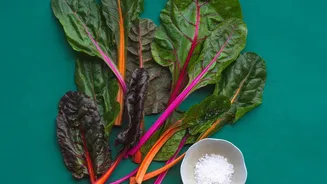
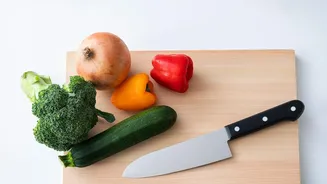
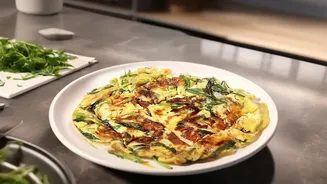
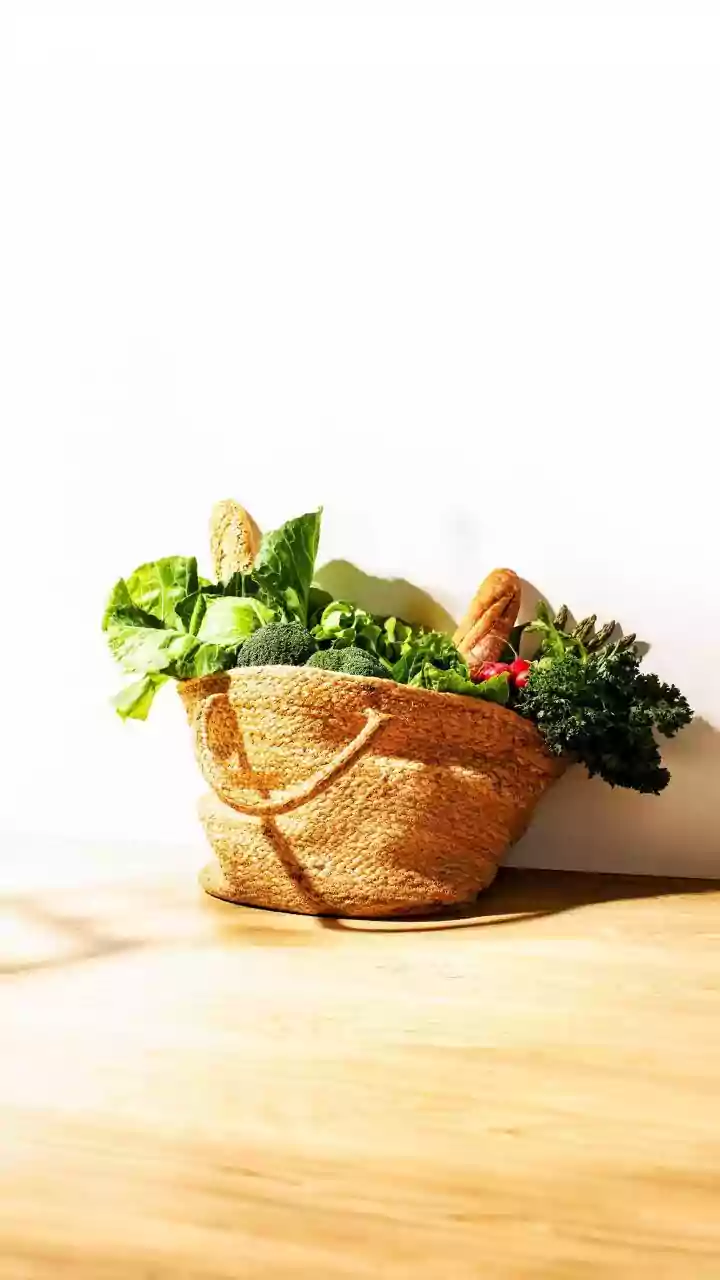
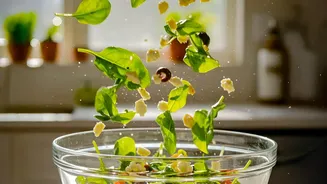
The most effective way to combat food waste and decision fatigue is to plan your meals around a few versatile, shared ingredients. Instead of buying specific items for one single recipe, think about how one core component can anchor two or three different dishes throughout the week. For example, a whole roasted chicken on Sunday can become shredded chicken for tacos on Monday and the base for a hearty chicken noodle soup on Wednesday. Similarly, a bag of spinach can be used in a morning omelette, wilted into a pasta sauce, and blended into a smoothie. This 'component cooking' approach simplifies your shopping list, ensures ingredients get used up, and provides variety without requiring a pantry full of single-use items. Focus on a protein, a couple of hardy vegetables, and a grain, and then think of a few different ways to combine them.
Make Your Freezer a Strategic Partner
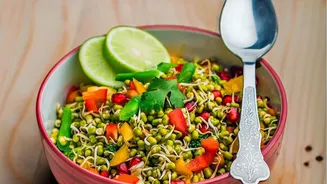
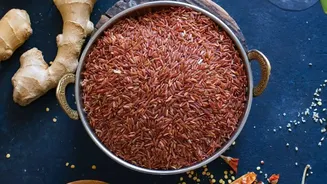
Your freezer is much more than a storage unit for ice cream and forgotten leftovers; it's the most powerful tool in a solo cook's arsenal. The goal is to treat it like a well-stocked pantry of single-serving meals and ingredients. When you cook, intentionally make a larger batch of freezer-friendly dishes like dal, chili, meatballs, or pasta sauce. Then, portion them out into individual containers before freezing. This 'cook once, eat multiple times' strategy means that on a busy night, a delicious, home-cooked meal is just minutes away. You can also freeze components. Chop an entire onion and freeze what you don't use, freeze herbs in oil in an ice cube tray, or store single portions of cooked rice or quinoa. This saves prep time later and prevents small amounts of ingredients from going to waste.
Smart Portioning and Freezing Techniques
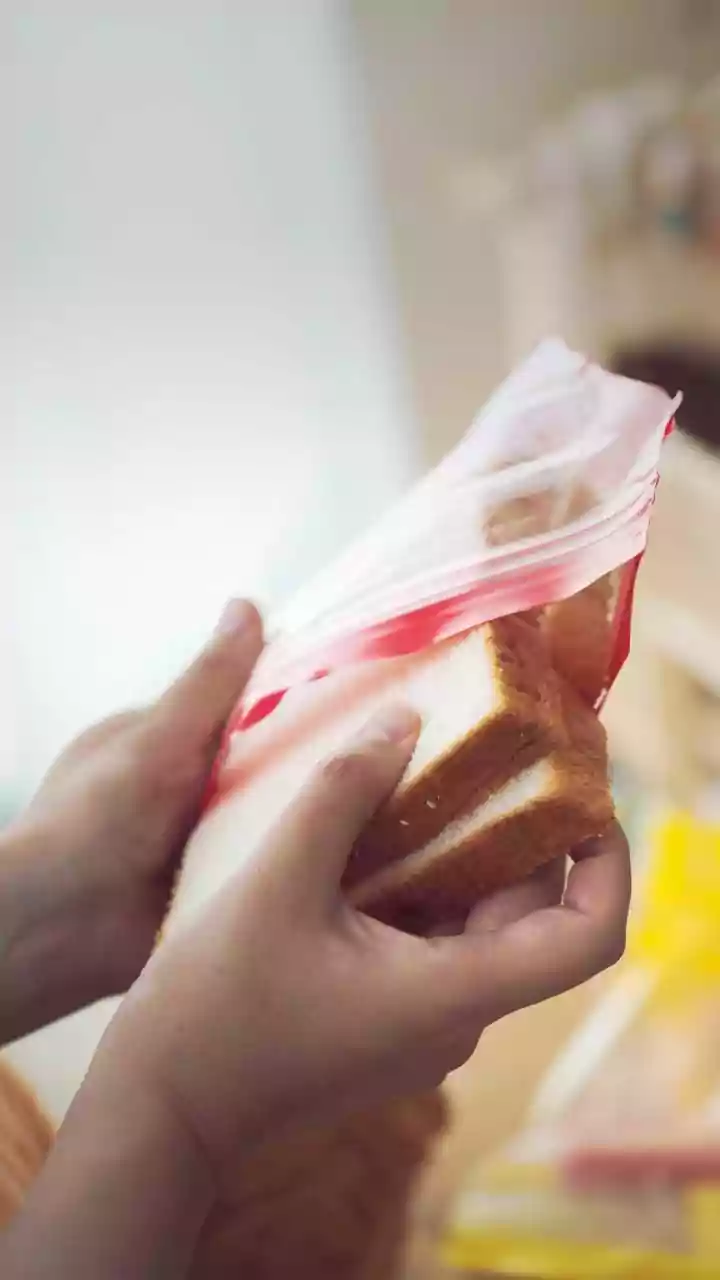
How you freeze is as important as what you freeze. To avoid a giant, unusable block of food, it's crucial to portion correctly. Use small, single-serving containers, freezer-safe bags, or even muffin tins and silicone molds to create perfectly sized portions. For items like chicken tenders or burger patties, 'flash freeze' them by placing them on a baking sheet in the freezer until solid before transferring them to a bag. This prevents them from sticking together, allowing you to pull out just one at a time. Always label everything with the name of the dish and the date it was frozen. Air is the enemy of frozen food, as it causes freezer burn, so be sure to squeeze as much air as possible out of bags and use containers that are the right size for the portion.