








Genes Load the Gun, Lifestyle Pulls the Trigger
It’s a catchy phrase because it holds a powerful truth. Our genes, the DNA we inherit from our parents, can certainly give us a predisposition for certain health conditions. Think of it as a factory blueprint for your body. However, lifestyle factors—especially
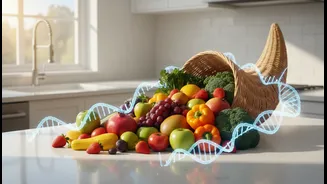
diet—are the on-site managers that decide which parts of that blueprint get built and how well. This field is known as epigenetics, which studies how your behaviors and environment can cause changes that affect the way your genes work. While you can't change your DNA sequence, your food choices can influence which genes are switched 'on' or 'off'. So, even if you have a genetic tendency towards high cholesterol or diabetes, a healthy lifestyle can significantly reduce the risk of that gene expressing itself.
The Undisputed Power of Fibre
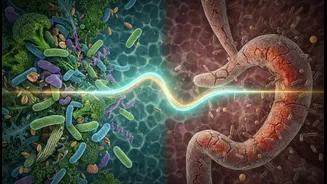
Regardless of your genetic makeup, one dietary component stands out for its universal benefits: fibre. Found in plant-based foods like fruits, vegetables, whole grains, and legumes, fibre is something most of us don't get enough of. Unlike other nutrients, fibre isn't digested and absorbed. Instead, it travels to your large intestine, where it becomes food for the trillions of beneficial bacteria living in your gut—your microbiome. A healthy gut microbiome is essential for everything from digestion and immune function to inflammation control and even mental well-being. When these good bacteria feast on fibre, they produce compounds like short-chain fatty acids (SCFAs), which nourish your colon cells, strengthen your gut barrier, and help reduce inflammation throughout the body. A high-fibre diet is consistently linked to lower risks of heart disease, type 2 diabetes, and certain types of cancer.
Why Variety Is Your Plate's Best Friend
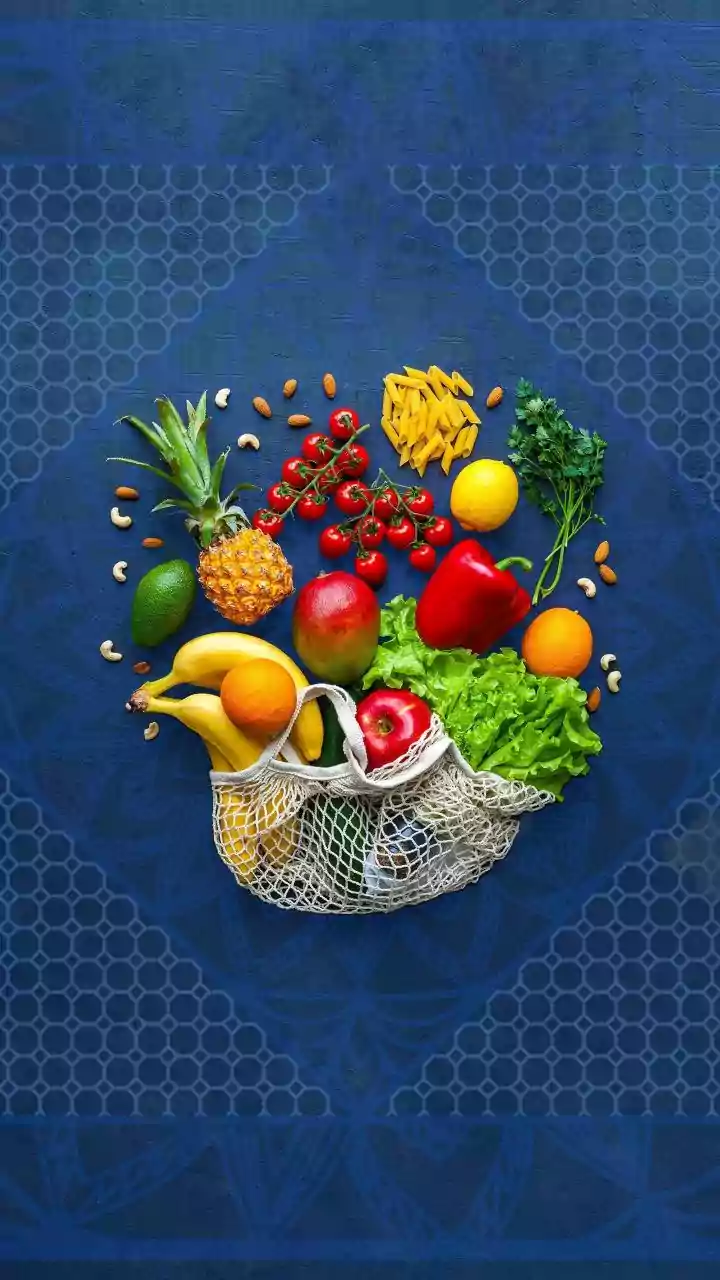
No single food contains all the nutrients your body needs to thrive. This is where dietary variety becomes non-negotiable. Eating a wide range of foods ensures you get a broad spectrum of vitamins, minerals, and phytonutrients (beneficial plant compounds). Different-coloured fruits and vegetables, for instance, contain unique antioxidants that work together to protect your cells from damage. A varied diet also promotes a more diverse and resilient gut microbiome. The more varied your diet, the more varied your gut bacteria, which enhances your body's ability to handle different challenges. Furthermore, relying on the same few foods increases your risk of developing nutrient deficiencies and limits the synergistic benefits that come from different nutrients working together.
The Timeless Wisdom of Balance
Balance is about moderation and proportion. It means eating from all major food groups—carbohydrates, proteins, and fats—in the right amounts to fuel your body effectively. It's not about villainizing any single nutrient, but about understanding its role. A balanced plate should feature complex carbohydrates from whole grains for sustained energy, lean protein for muscle repair and satiety, and healthy fats for brain health and hormone production. This principle helps maintain stable blood sugar levels, preventing energy crashes and reducing cravings for unhealthy, processed foods. Even within an Indian dietary context, which is rich in grains and legumes, balance is key. Pairing dal and sabzi with brown rice instead of just white rice, incorporating a variety of seasonal vegetables, and being mindful of oil and ghee usage are practical ways to apply this principle.
Your Daily Choices Hold the Real Power
The rise of nutrigenomics—the science of how diet affects genes—is fascinating, but it reinforces, rather than replaces, the fundamentals of good nutrition. Knowing your genetic risk can be a powerful motivator to make healthier choices, but it's not a life sentence. Studies consistently show that lifestyle factors have a greater impact on many chronic diseases than genetics, especially for the first seven or eight decades of life. A healthy diet, regular physical activity, and avoiding smoking can add years of disease-free life, even for those with a high genetic risk for heart disease. Ultimately, your genes provide a roadmap, but your daily habits are what determine the journey and the destination. Your fork can be one of the most powerful tools you have for building a long and healthy life.