



Meet Toum: The Heart of the Matter
The sauce you're thinking of is called Toum, and it's a cornerstone of Lebanese cuisine and the wider Levant region. The name itself is the Arabic word for garlic, which tells you everything you need to know about its primary flavour. At its most authentic,
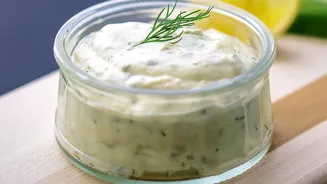
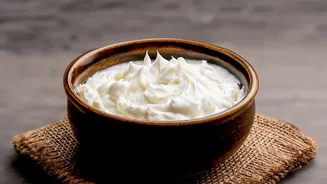
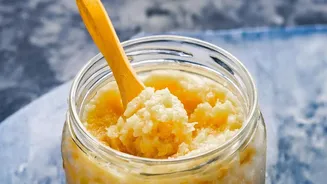
Toum consists of just four simple ingredients: fresh garlic, a neutral oil like sunflower or canola, lemon juice, and salt. Unlike many creamy sauces, traditional Toum contains no eggs, dairy, or mayonnaise, making it naturally vegan. Its brilliant white color and fluffy, cloud-like texture are not from any dairy product but from a specific culinary technique.
The Science of a Fluffy Cloud
The magic behind Toum lies in the process of emulsification. An emulsion is a mixture of two liquids that don't normally combine, like oil and water (or in this case, oil and lemon juice). In mayonnaise, egg yolk acts as the emulsifier, binding the fat and acid together. In Toum, the garlic itself performs this role. When garlic is finely processed and oil is drizzled in extremely slowly, the natural compounds in the garlic help to suspend tiny oil droplets within the lemon juice. This process, when done with patience, whips air into the mixture, transforming the simple ingredients from a liquid into a thick, airy, and stable sauce with a consistency similar to whipped cream or mayonnaise. It’s a true feat of kitchen chemistry that requires patience, as adding the oil too quickly will cause the sauce to “break” and separate into a greasy mess.
Tradition vs. Convenience
For centuries, making Toum was a labor of love, traditionally prepared by hand using a wooden mortar and pestle. Cooks would painstakingly pound the garlic and salt into a paste before gradually incorporating the oil drop by drop—a true test of endurance. Today, a food processor has made the process much more accessible, though the principle of slowly adding the oil remains the same. In a quest for consistency and speed, some modern recipes or commercial preparations introduce shortcuts. These might include adding a raw egg white or even a bit of potato starch to help stabilize the emulsion. Other quick versions create a “garlic sauce” by simply flavouring mayonnaise, but these lack the pure, fiery intensity of true Toum. For purists, these additions are unnecessary, as the magic of a true Toum lies in the unadulterated power of its four core ingredients.
How It Differs From Aioli
Toum is often compared to aioli, another famous Mediterranean garlic sauce, but they are distinct. Traditional aioli, originating from regions like Spain and France, is also an emulsion of garlic and oil. However, modern and more widespread versions of aioli almost always include egg yolk, which gives it a richer, slightly yellower color and a milder, creamier flavor profile compared to the intense, sharp bite of Toum. While both are delicious, Toum is defined by its powerful, unapologetic garlic flavor, whereas aioli is often a more mellow, garlic-infused mayonnaise.
More Than Just a Shawarma Topping
While it's the classic partner for chicken shawarma and grilled chicken skewers like shish tawook, Toum’s versatility extends far beyond. In Middle Eastern cuisine, it’s served as a dip for warm pita bread, french fries, and fresh vegetables. Its potent flavour makes it a fantastic spread for sandwiches and wraps, and it adds a powerful punch to roasted vegetables, fish, and other grilled meats. It’s a staple condiment that elevates nearly any dish it touches with its zesty, pungent character.