




What is Shadow Boxing?
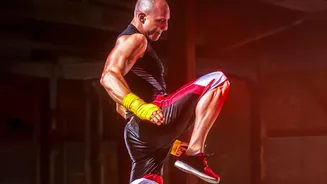
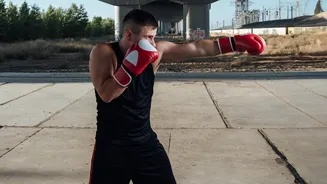
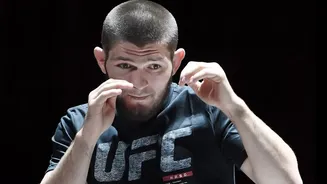
At its core, shadow boxing is a solo training method where you practice the movements of boxing—punches, footwork, and defensive actions—against an imaginary opponent. It’s a foundational drill used by professional fighters and fitness enthusiasts alike
to refine technique, warm up the body, and improve conditioning without the need for a bag or partner. By focusing purely on your own movements, you can concentrate on form and flow, making it a powerful tool for building muscle memory and physical awareness.
The Full-Body Fitness Benefits
Shadow boxing is a surprisingly effective cardiovascular workout. The constant movement, from footwork to punching combinations, elevates your heart rate, functioning much like high-intensity interval training (HIIT). A 30-minute session can burn between 200 and 500 calories depending on intensity. Beyond cardio, it engages your entire body. Throwing punches correctly activates not just your arms and shoulders, but also your core, hips, and legs, helping to build lean muscle and improve overall strength and posture.
More Than Just Physical
One of the most significant advantages of shadow boxing is its impact on the mind-body connection. The practice requires intense focus and visualization, as you have to imagine an opponent's movements and react accordingly. This active meditation can be a powerful form of stress relief, allowing you to punch away frustrations in a controlled, healthy manner. Over time, this mental rehearsal enhances coordination, balance, and reaction time, sharpening your focus in and out of the gym.
The Beginner’s Biggest Mistake: Too Much Force
For beginners, the most common trap is tensing up and throwing punches with maximum force. Without a bag to absorb the impact, fully extending your arm with excessive power can hyperextend your elbow, leading to injury. True power in boxing comes from speed and fluidity, not brute strength. Tensing your muscles restricts movement, slows you down, and wastes energy. The goal of shadow boxing is to perfect your form and build muscle memory, which can't be done if your body is rigid and your movements are jerky. Relaxing is key.
How to Practice with Control and Form
To get the most out of your session, focus on technique over power. Start slowly, perhaps in front of a mirror, to watch your form. Concentrate on staying light on your feet, maintaining a proper boxing stance, and keeping your hands up. When you punch, extend your arm but don't lock the elbow; instead, focus on retracting the punch quickly back to your guard position. Breathe with each movement, exhaling sharply as you punch. The key is to imagine you are dancing—fluid, controlled, and always in balance.
A Simple Routine to Get Started
Try this simple 10-minute routine to begin. Start with a 2-minute warm-up of light bouncing and stretching. For the next two minutes, practice basic punches like the jab and cross, focusing on form. Then, for another two minutes, add in hooks and uppercuts. Follow that with two minutes of combining footwork—moving forward, back, and side-to-side—with your punches. Finish with a two-minute 'freestyle' round where you combine everything you've practiced, before cooling down. The goal is consistency and control, not exhaustion.