

The Nutritional Showdown
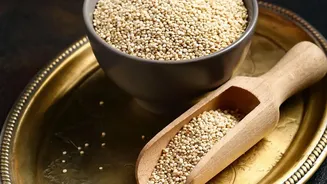
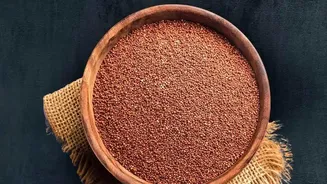
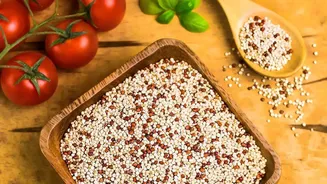
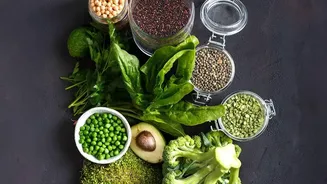
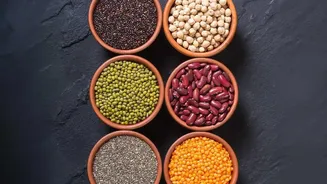
At first glance, both grains are nutritional powerhouses. Quinoa has earned its fame primarily for being a 'complete protein', meaning it contains all nine essential amino acids, which is rare for a plant-based food. It generally offers more protein per
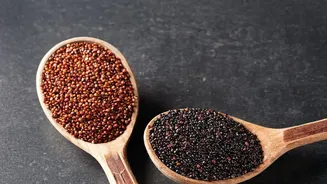
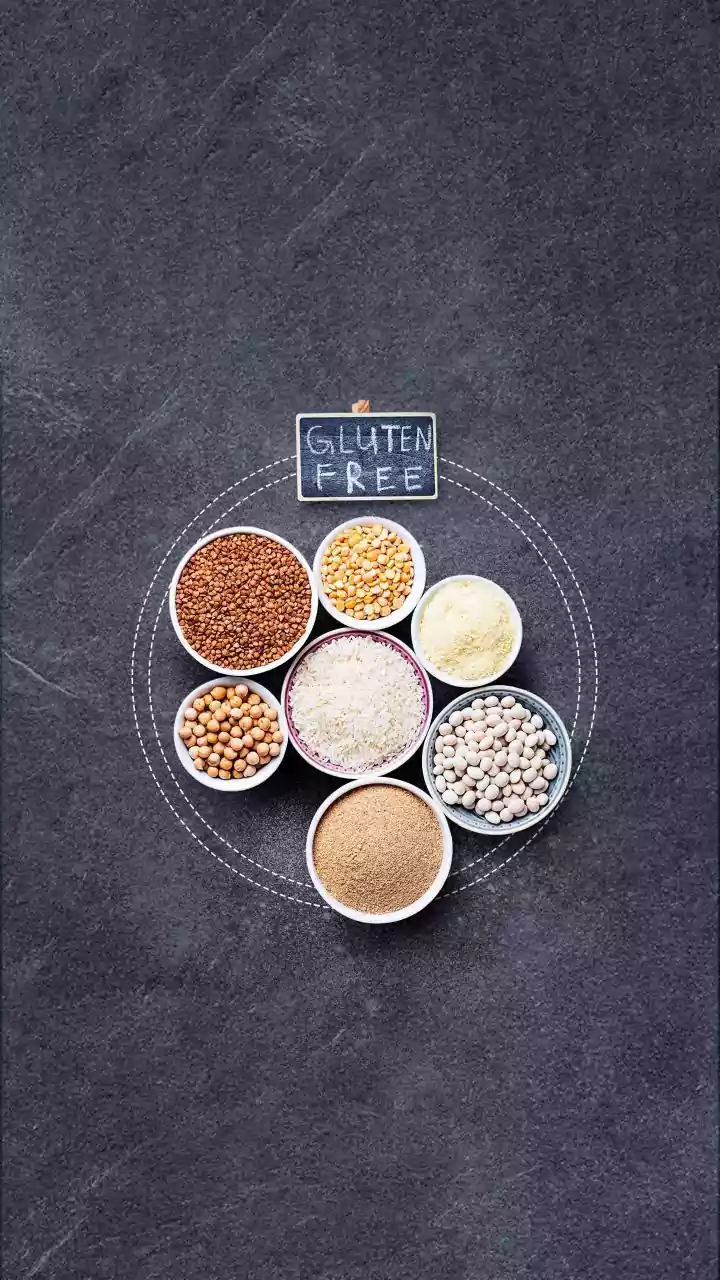
serving than ragi. However, ragi, or finger millet, holds a significant advantage in its mineral content. It is extraordinarily rich in calcium, containing nearly seven to twenty times more than quinoa, making it a champion for bone health. While both grains are good sources of iron and magnesium, some data suggests ragi has an edge in magnesium while quinoa often has more iron and folate. Both are naturally gluten-free, making them excellent choices for those with celiac disease or gluten sensitivity.
Blood Sugar and Weight Management
For those managing their weight or blood sugar levels, both ragi and quinoa are excellent allies. They are complex carbohydrates with a low glycemic index (GI), which means they release sugar into the bloodstream slowly, preventing sudden energy spikes and crashes. Ragi's GI can range from 54 to 68, while quinoa's is around 53. The high dietary fibre content in both grains is key to their benefits. Fibre promotes a feeling of fullness, which can help reduce overall calorie intake and support weight loss goals. This slow digestion process also makes both grains a smart choice for individuals managing diabetes.
The Cost and Accessibility Factor
Here is where the comparison becomes starkly different, especially for the Indian consumer. Ragi is a locally grown millet that has been a staple in parts of the country for centuries. It is widely available and significantly more affordable, with prices often ranging from ₹60 to ₹100 per kilogram. Quinoa, on the other hand, is primarily imported from South America. This involves costs for shipping and import duties, making it a premium product that can cost anywhere from ₹400 to ₹800 per kilogram. For daily consumption, ragi is the clear winner for budget-conscious households and those who prioritise eating local.
Versatility in the Indian Kitchen
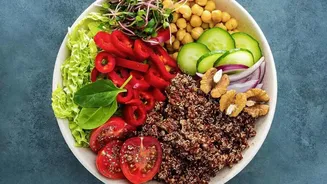
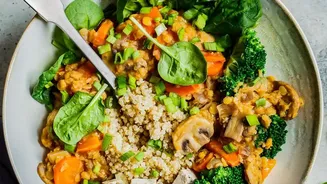
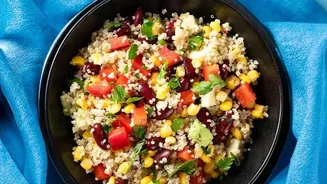
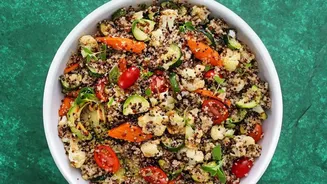
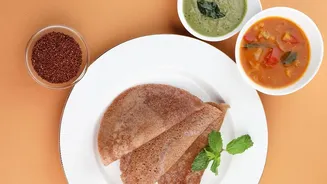
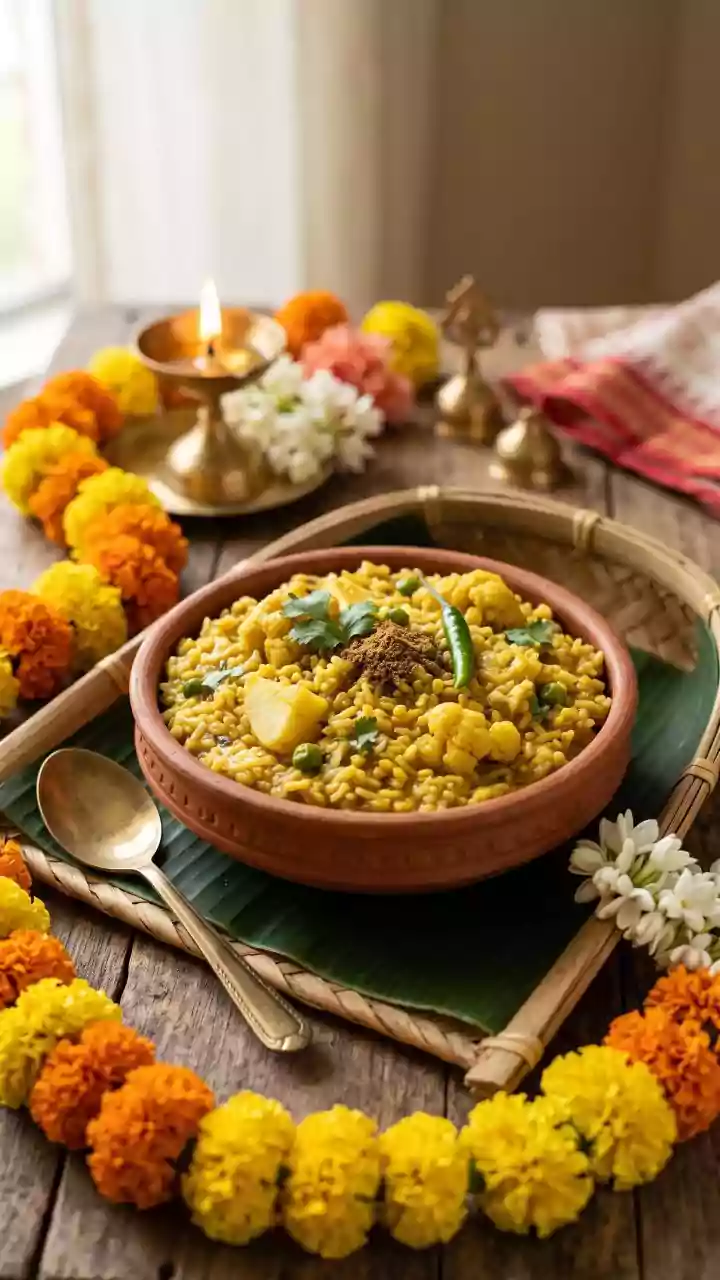
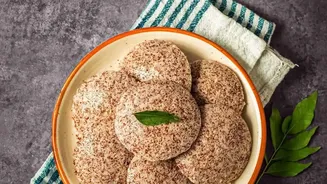
Both grains are versatile, but they shine in different culinary applications. Ragi is most commonly used as a flour. It's the foundation for countless traditional dishes like ragi mudde (balls) in Karnataka, dosas, rotis, and porridge (kanji). Its earthy flavour blends seamlessly into Indian cooking. Quinoa, with its texture similar to a fluffy grain, works well as a direct substitute for rice in pulaos and biryanis. It's also become a popular base for salads and breakfast bowls. While quinoa can be adapted to Indian recipes, ragi is already deeply integrated into our culinary heritage, making it an easier and more natural fit for many home cooks.
The Verdict: A Place for Both
Instead of declaring one superior, the smartest approach is to embrace dietary diversity. Quinoa's complete protein profile makes it a fantastic choice, especially for those on a strict vegetarian or vegan diet. It’s perfect for a hearty salad or a protein-packed alternative to rice. Ragi is the undeniable champion for anyone looking to boost their calcium intake naturally and affordably. It’s ideal for everyday meals like rotis and dosas. The 'complete protein' argument for quinoa is also less critical in an Indian context, where grains are almost always eaten with dal or curd, which completes the amino acid profile anyway.