







The Hidden Costs of a Disorganised Kitchen
Every unplanned purchase and forgotten ingredient contributes to a larger problem. Studies show that a significant portion of household food waste in India happens because of over-purchasing and poor meal planning. When you buy a duplicate item, it's
not just the cost of that one product. The older item gets pushed to the back, increasing its chances of expiring before you can use it. This cycle of buying, forgetting, and wasting adds unnecessary pressure to your monthly budget. These small, seemingly harmless repeat purchases can accumulate into a substantial amount over the year. The problem is often a simple lack of information—at the moment of purchase in the store, you don't have a clear picture of what’s already in your kitchen at home.
Getting Started: Your First Pantry Audit
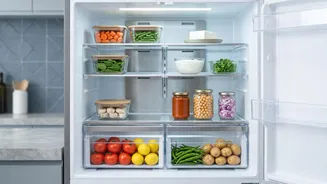
Creating your first inventory might sound like a huge task, but it can be broken down into manageable steps. Don't try to do it all at once. Start with one area, like your main spice rack or the shelf where you keep dals and pulses. Pull everything out, wipe the shelf clean, and group similar items together. Check expiry dates on all packaged goods. Anything that has expired should be discarded. Items that are nearing their expiry date should be placed at the front, making them visible and easy to grab for your next meal. This 'use-first' strategy is a simple but powerful way to rotate your stock and minimise waste. Do this for your fridge and freezer too, one shelf at a time, to create a complete picture of your food assets.
Choose Your Inventory Method
Once you know what you have, you need a system to keep track of it. The best method is the one you will actually use consistently. For many, a simple notebook and pen kept in the kitchen is the easiest way to start. Divide a page into columns for the item name, quantity, and expiry date. For those who are more tech-savvy, a basic spreadsheet on your phone or computer works well. Alternatively, a host of mobile apps are now available specifically for this purpose. Some apps allow you to scan barcodes to add items, track expiry dates with alerts, and even suggest recipes based on the ingredients you have on hand. The goal isn't to create a complex system but to have an updated list that gives you accurate information before you shop.
From Inventory to Intelligent Shopping
Your pantry inventory is the foundation for smart meal planning and efficient grocery shopping. Before you make your next shopping list, 'shop your pantry first'. Look at your inventory and see what meals you can create with the ingredients you already own. This practice alone can drastically reduce your grocery bill. Your shopping list should now become a list of 'confirmed gaps'—items you are genuinely missing—rather than a list of remembered possibilities. This small shift in mindset prevents you from restocking items too early or buying things you think you might need. It transforms your grocery run from a speculative trip into a targeted mission to buy only what is necessary, saving you both time and money.
Making the System Stick
An inventory is only useful if it’s kept up-to-date. The key is to integrate it into your existing routine. Set aside just five to ten minutes each week, perhaps the evening before your main grocery shopping day, to update your list. As you use up the last of an item during the week, make a quick note in your notebook or app. When you unpack new groceries, take a moment to add them to your inventory. Some families find a shared digital list helpful, allowing any member to add an item when it runs out. By making inventory management a small, regular habit, you ensure it remains an effective tool for financial savings and household organisation, rather than a one-time chore that gets abandoned.