





The Clockwork Bloom
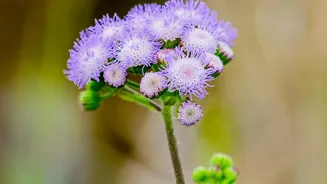
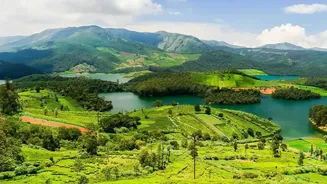
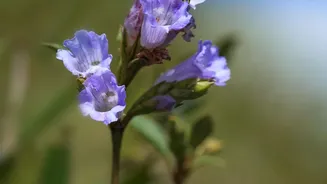
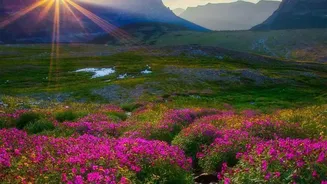
Neelakurinji, or Strobilanthes kunthiana, is a shrub endemic to the shola grasslands of the Western Ghats. What makes it extraordinary is its lifecycle. It blooms in a spectacular, synchronized event only once every 12 years, after which the plants die,
leaving behind seeds for the next generation. This mass flowering, scientifically known as a plietesial or monocarpic cycle, is a survival strategy. The long interval and simultaneous blooming are thought to be an evolutionary defence, overwhelming seed predators and ensuring successful pollination across the entire population. This rare rhythm has been observed for centuries; the local Paliyan tribe traditionally used the blooming cycle to calculate their age.
An Ecological Keystone
The 12-year bloom is not just a visual marvel; it's a critical ecological event. When the flowers blanket the hills, they provide a massive source of nectar for native bees and butterflies, playing a vital role in pollination. The honey produced during this period, known as Kurinji honey, is a prized local delicacy. Beyond pollinators, the plant itself is an anchor for the fragile shola ecosystem. Its dense root systems help bind the soil on steep mountain slopes, preventing erosion, a crucial function in a region prone to heavy monsoon rains. As an indicator species, the health and timing of the Neelakurinji bloom offer a direct insight into the health of the Western Ghats, a UNESCO World Heritage Site.
A Treasure Under Pressure
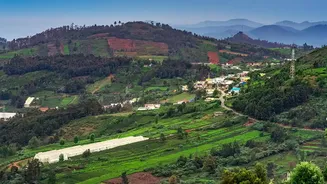
Despite its importance, Neelakurinji faces grave threats. Its habitat has been shrinking for decades due to the expansion of tea, cardamom, and eucalyptus plantations. Now officially listed as a 'vulnerable' species by the IUCN, the plant is fighting for survival. The last major bloom in 2018 saw an unprecedented influx of tourists to Munnar, the epicenter of the bloom. While boosting the local economy, this wave of 'flower tourism' brought immense challenges. Unregulated visitor numbers led to trampling of the delicate shrubs, soil compaction, and widespread littering, damaging the very spectacle people came to see. Experts have warned that such disturbances can severely interfere with the plant's natural regeneration process.
The Climate Change Question
Adding to the pressure from tourism and habitat loss is the looming threat of climate change. The shola-grassland ecosystem, which exists at high altitudes, relies on a delicate balance of cool weather, mist, and rain. Rising temperatures and erratic weather patterns can disrupt the plant's precise 12-year internal clock. Changes in flowering frequency or timing could create a disastrous mismatch with its pollinators, affecting the entire ecosystem that depends on this cyclical event. Protecting the Neelakurinji is therefore not just about saving a single species, but about preserving the integrity of its entire high-altitude habitat.
A Call for Conscious Appreciation
Recognizing the threats, conservation efforts are underway. The government has established protected areas like the Kurinjimala Sanctuary in Kerala, specifically to safeguard the flower's core habitat. In a significant step, the Ministry of Environment, Forest and Climate Change has listed Neelakurinji under Schedule III of the Wildlife (Protection) Act. This makes destroying the plant a punishable offense, carrying a hefty fine and potential imprisonment. For the public, the message is clear: this flower is not a souvenir. Appreciating it means sticking to designated paths, avoiding trampling, and practicing responsible, zero-waste tourism.