


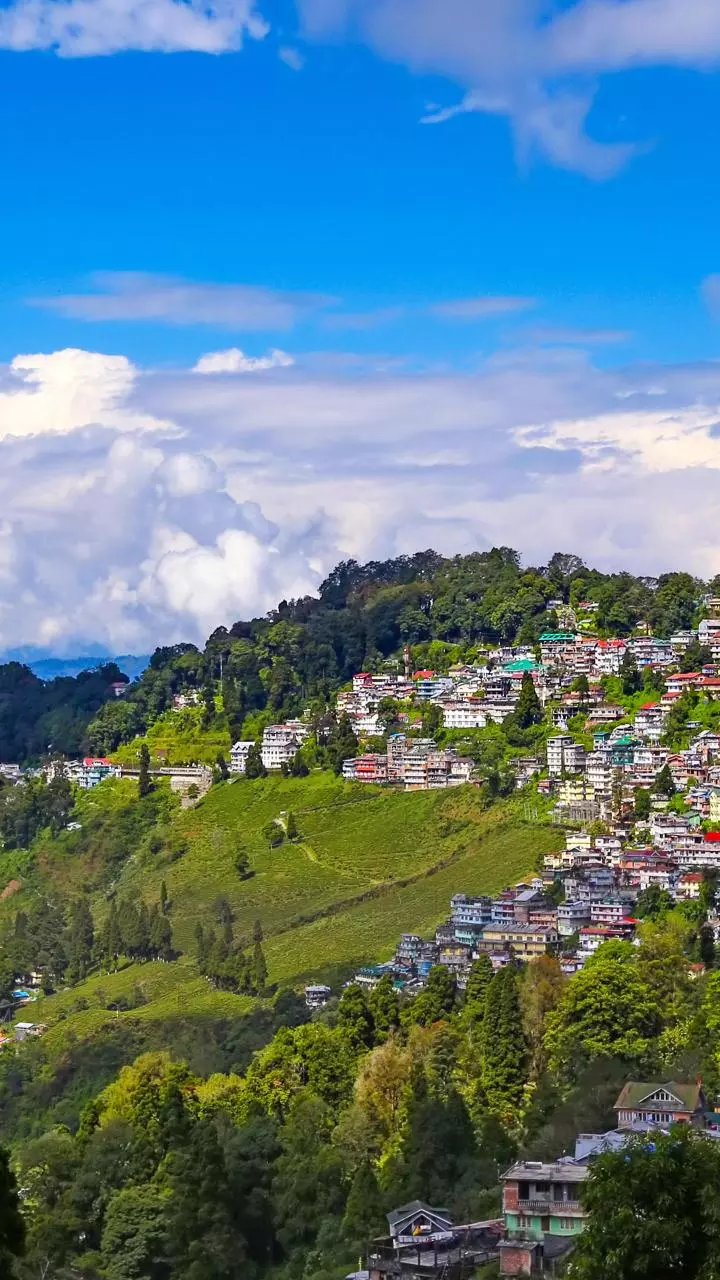




A New Vision for God's Own Country
Kerala is making a deliberate shift in its tourism philosophy. Instead of focusing solely on high-volume tourist spots, the state is championing a model that benefits local villages directly. This approach is an evolution of its long-standing Responsible
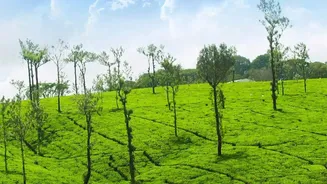
Tourism (RT) Mission, which was established to ensure that the economic benefits of tourism reach the people who call these beautiful places home. The goal is to move beyond just being a destination and become a platform for sustainable development, where travelers’ footprints support local livelihoods, preserve culture, and protect the environment. This isn't about abandoning the iconic houseboats and tea plantations but enriching them by connecting visitors more deeply with the local culture. Recent initiatives aim to disperse tourists across the state, developing new destinations to ensure the benefits are spread widely rather than concentrated in a few hotspots.
From Spectators to Stakeholders
The core of this new push is transforming local residents from passive bystanders into active stakeholders. The Responsible Tourism Mission connects hotels and tour operators with local farmers, artisans, and performers, creating a powerful local supply chain. This means the food you eat at a resort could come from a nearby family farm, the souvenirs you buy might be crafted by a women's self-help group, and the cultural show you enjoy directly supports the artists. Initiatives like the 'Village Life Experience' packages allow travelers to engage directly with rural life through activities like coir weaving, traditional cooking classes, and visiting local farms. This model combats economic leakage, where tourist money flows out to large corporations, and instead keeps revenue circulating within the community, fostering genuine economic empowerment.
Empowering Women and Preserving Culture
A significant focus of this community-centric model is women's empowerment. The state has actively worked to bring more women into the tourism sector, supporting women-led homestays, catering units, and tour guide services. By providing training and subsidies, the government has helped thousands of women become entrepreneurs, giving them a stronger foothold in the industry. This approach also serves as a powerful tool for cultural preservation. By creating economic incentives for traditional practices—whether it's a unique craft, a regional recipe, or a local art form—the community-led model ensures these traditions are passed down. Travelers get a chance to experience authentic heritage, and communities get to celebrate and sustain their unique cultural identity.
A More Authentic Journey for Travelers
For travelers, this shift means a more meaningful and immersive experience. The focus is moving away from passive sightseeing towards active participation. Recently, the state announced plans for 'life experience trails,' which will guide visitors through villages to experience local traditions, cuisine, and biodiversity firsthand, encouraging interaction between visitors and communities. Choosing a community-run homestay over a large hotel, participating in a local craft workshop, or taking a canoe tour with a village guide offers a deeper connection to the place. This kind of travel is not just about seeing Kerala; it's about understanding it through its people. It's an opportunity to know that your travel spending is contributing directly to a family's income, helping to educate children, and preserving the very culture that makes the destination so special.