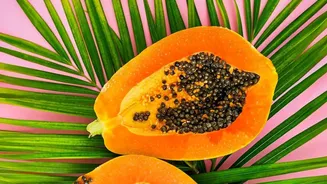





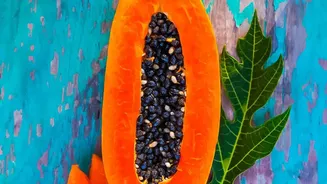


The Monsoon Fruit Landscape
When the rains arrive, the availability of some favourite summer fruits dwindles. While the season offers its own delights like jamun, plums, and cherries, the choices can sometimes feel restricted. The high humidity and increased risk of waterborne contaminants
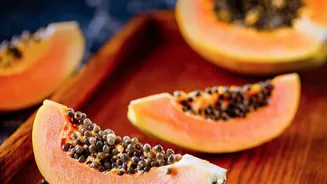
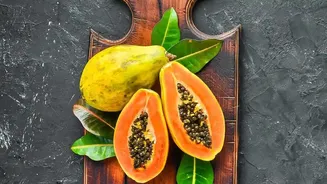
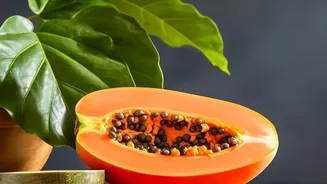
also make people cautious about which fruits to consume. This is where papaya, a fruit that grows throughout the year in many parts of India, steps in as a dependable and safe option. Its peak season often includes the monsoon months of August and September, ensuring a fresh and plentiful supply.
A Boost for Rainy Day Immunity
The monsoon is notorious for bringing a spike in colds, flu, and other seasonal infections. Papaya is exceptionally rich in Vitamin C, a powerful antioxidant known to strengthen the immune system and help the body fight off these very infections. A strong immune system is your first line of defence during this vulnerable season, and incorporating papaya into your diet is a simple and natural way to support it. The fruit is also a good source of Vitamin A, which is crucial for maintaining the health of skin and mucous membranes, which act as barriers against pathogens.
Your Gut's Best Friend
Digestive troubles like bloating and indigestion are common complaints during the rainy season. Papaya contains a unique enzyme called papain, which is a game-changer for digestive health. Papain helps break down proteins, making them easier for your body to digest and absorb. This can provide significant relief from discomfort and keep your digestive system running smoothly. Furthermore, papaya is high in dietary fibre and water content, which work together to prevent constipation and promote regular bowel movements, ensuring your gut stays healthy and happy.
Choosing and Storing the Perfect Papaya
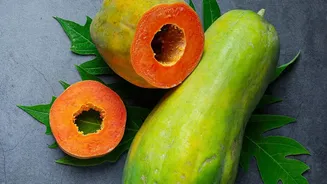
Selecting a good papaya is simple once you know what to look for. For immediate consumption, choose a fruit with smooth, unblemished skin that is mostly yellow or orange and yields slightly to gentle pressure, similar to a ripe avocado. If the skin is still mostly green with patches of yellow, it will need a few days to ripen at room temperature. You can speed this up by placing it in a paper bag. Once fully ripe, a papaya should be stored in the refrigerator to maintain its flavour and freshness. Always avoid fruits with deep bruises, black spots, or a fermented smell.
More Than Just a Breakfast Fruit
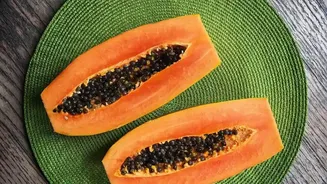
While a simple bowl of freshly cut papaya is a delightful start to the day, its versatility extends much further. Blend it into a smoothie with yogurt for a filling and nutritious drink. Dice it and add to a fresh green salad for a touch of tropical sweetness. You can even make a quick fruit chaat by tossing cubes of papaya with a pinch of black salt and a squeeze of lime. These simple preparations allow you to enjoy the fruit's benefits in various delicious forms, preventing palate fatigue and keeping your meals exciting throughout the monsoon.