






A Partnership Built on Trust
In a series of high-level meetings in the Indian capital, leaders from both nations have described the relationship as one of the most trusted bilateral partnerships in a world marked by geopolitical turmoil. This 'new chapter' is not merely rhetoric;
it's backed by concrete pacts designed to interlink the two major Asian economies and democracies more closely than ever before. The recent summit between Prime Minister Narendra Modi and his Japanese counterpart, Sanae Takaichi, underscored this deepening alignment, building on decades of Japanese investment in India's growth story and a shared commitment to democratic values. The partnership is seen as a cornerstone for regional stability, moving from a shared vision to tangible action on the ground.
Bolstering Defence and Maritime Security
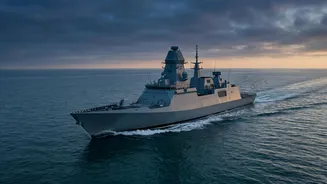
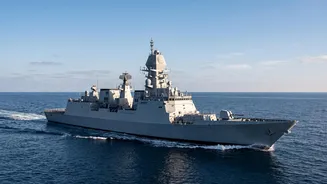
A central pillar of the enhanced cooperation is a landmark Memorandum of Arrangement on Maritime Security. This pact, signed during a meeting between the defence ministers of both countries, aims to deepen coordination between the Indian Navy and the Japan Maritime Self-Defense Force. The agreement facilitates greater information sharing, joint exercises, and logistical support, including the use of each other's ports and repair facilities. These are not just routine drills; they represent a move towards genuine interoperability. The two nations plan to expand their joint military exercises, which already include the 'Dharma Guardian' (Army) and 'JAIMEX' (Maritime) series, with the 'Veer Guardian' air force exercise also on the anvil. Furthermore, discussions are underway to explore joint development in naval shipbuilding, combining Japan's technological prowess with India's 'Make in India' manufacturing ambitions.
Economic Security and Future-Ready Tech
Beyond traditional defence, the New Delhi agreements place a strong emphasis on economic security and emerging technologies. Recognizing their vulnerability to supply chain disruptions and coercive economic policies, both nations have committed to building resilient supply chains, particularly in critical sectors like semiconductors, clean energy, and pharmaceuticals. The partnership includes the first-ever joint defence co-development project and enhanced cooperation in artificial intelligence (AI). In the clean energy domain, joint ventures are already taking shape, such as a project to supply green ammonia from a facility in Odisha to Japan, supporting both countries' decarbonization goals. This economic pillar is designed to create a reliable and fair competitive environment, countering what leaders have termed the 'weaponization of the economy'.
A Shared Vision for the Indo-Pacific
Underpinning these agreements is a shared strategic objective: ensuring a Free and Open Indo-Pacific (FOIP). Both India and Japan see this as essential for protecting vital sea lanes, ensuring freedom of navigation, and maintaining unimpeded lawful commerce across the region. The cooperation is a synergy between Japan's FOIP initiative and India's own 'MAHASAGAR' vision for security and growth in the maritime domain. While the partnership is often viewed as a counterweight to China's growing influence, its scope is broader. It represents a strategic alignment of two major regional powers committed to upholding a rules-based international order and preventing any single nation from dominating the Indo-Pacific. This alignment is becoming a key feature of the region's evolving security architecture.