



Why We Love a Good DIY Mask
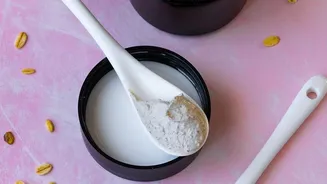
There’s a certain satisfaction in whipping up your own skincare. Homemade skin-brightening masks, often featuring ingredients like turmeric, yogurt, and honey, feel like a wholesome, natural way to pamper your skin. They offer a break from complex chemical
formulations and give you direct control over what you’re putting on your face. The goal is simple: to gently exfoliate, reduce dullness, and reveal a brighter, more even-toned complexion. When done correctly, this ritual can be a relaxing and effective part of your routine.
The Problem with Harsh Scrubbing
Many people believe that to get results, you need to scrub vigorously. This is a common and damaging mistake. Your skin has a natural protective barrier that keeps moisture in and irritants out. When you scrub too hard, you create micro-tears in this barrier. This can lead to inflammation, redness, dryness, and increased sensitivity. Instead of a healthy glow, you might end up with irritated, compromised skin that is more prone to breakouts and environmental damage. Over time, this aggressive action can weaken the skin, making it less resilient.
Gentle Application Is Everything
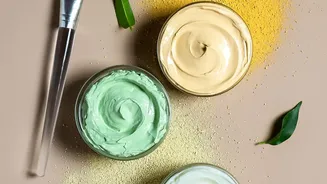
The secret to a successful mask experience lies in gentle application. Start by cleansing your face to remove makeup and impurities. Before applying a new mixture all over, always do a patch test on a small, discreet area of skin to check for any reaction. When you're ready to apply the mask, use your clean fingertips or a soft mask brush. Spread an even layer over your skin, avoiding the delicate eye and lip areas. There's no need to rub it in forcefully; the active ingredients will work without any aggressive help from you.
Safe and Effective Brightening Ingredients
Not all kitchen ingredients are created equal. For a gentle brightening effect, stick to proven and safer options. Yogurt contains lactic acid, a mild alpha-hydroxy acid (AHA) that gently exfoliates. Honey is a natural humectant that moisturizes and has antibacterial properties. Turmeric is known for its anti-inflammatory and antioxidant benefits, which can help calm the skin and improve its radiance. However, be mindful that turmeric can temporarily stain the skin, so it's best to use it in small quantities mixed with yogurt or honey.
An Ingredient to Use with Extreme Caution
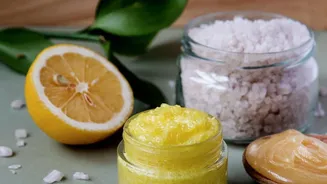
Lemon juice is frequently recommended in DIY recipes, but it should be approached with caution. Its high acidity can disrupt your skin's natural pH, leading to irritation, dryness, and peeling. More significantly, applying citrus juice to the skin can cause phytophotodermatitis, a serious reaction that occurs when the treated skin is exposed to sunlight. This can result in painful burns, blisters, and dark pigmentation. If you choose to use it, ensure it is heavily diluted, used only at night, and followed by diligent sunscreen use the next day, but it is often safer to avoid it altogether.
How to Remove Your Mask Gently
The rule of gentleness applies to removal, too. Once the mask has been on for the recommended time—usually 10 to 20 minutes—it’s time to rinse. Use lukewarm water and your fingertips to softly loosen the mask. Avoid rubbing or pulling at your skin. Once the mask is completely removed, gently pat your face dry with a clean, soft towel. Your skin may feel slightly sensitive, so this is the perfect time to apply a soothing, fragrance-free moisturizer to lock in hydration and support your skin barrier.