





A Fabric Woven with History
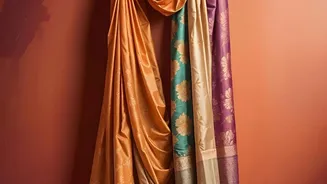
Khadi is far more than just a textile; it is a thread that runs through the very fabric of Indian history. Championed by Mahatma Gandhi during the independence movement, the act of spinning and wearing this hand-spun, hand-woven cloth was a powerful political
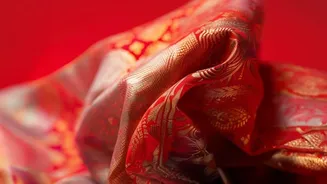
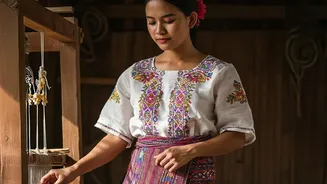
statement—a symbol of self-reliance, rural empowerment, and resistance against colonial rule. For decades, it was seen as the uniform of politicians and a relic of a bygone era. However, Khadi is now being passionately rebranded. Its inherent qualities—being hand-made, breathable, and unique in every weave—are finding new appreciation in a world craving authenticity. Each piece tells a story of the artisan who created it, a human touch that mass-produced fabrics can never replicate.
Khadi's Global Runway Moment
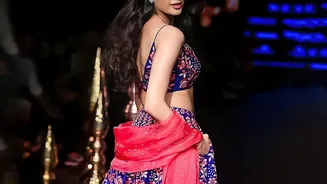
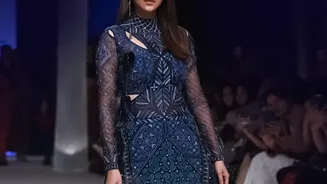
The international spotlight will shine brightly on Khadi during New Zealand Fashion Week (NZFW) 2026. A special showcase titled 'Khadi Beyond Borders' is scheduled for August 18 in Auckland, marking a significant cultural and fashion diplomacy milestone. This event is the first major initiative born from a partnership between the Fashion Design Council of India (FDCI) and NZFW, an agreement witnessed by the prime ministers of both nations. The show will feature some of India's most respected designers, with Rajesh Pratap Singh headlining a solo presentation, followed by a collaborative runway with Samant Chauhan, Shruti Sancheti, and Pawan Sachdeva. According to NZFW owner Feroz Ali, the showcase is a promise kept to both nations to produce something the world would notice, framing Khadi not just as heritage, but as the future.
The Ultimate Sustainable Statement
In an era of climate anxiety and growing distaste for fast fashion, Khadi emerges as a sustainable super-fabric. Its production has a remarkably low environmental impact. Requiring no electricity and significantly less water than mill-produced fabrics, Khadi boasts a near-zero carbon footprint. Made from natural fibres like cotton, silk, or wool, it is completely biodegradable, leaving no harmful microplastics behind. This eco-friendly process resonates deeply with a new generation of conscious consumers who are increasingly asking where their clothes come from. By choosing Khadi, consumers are not just buying a garment; they are supporting a 'slow fashion' philosophy that values quality, longevity, and planetary health.
Redefining Contemporary Cool
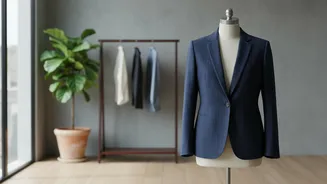
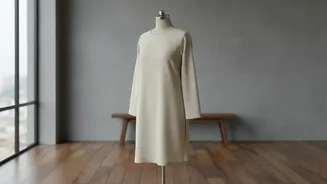
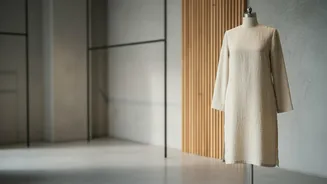
The designers showcasing at NZFW are part of a larger movement to reinvent Khadi for a modern global wardrobe. Today, Khadi is being transformed into chic dresses, tailored jackets, soft denim alternatives, and even elaborate wedding wear. Its natural texture and ability to be both lightweight in summer and warm in winter make it incredibly versatile. This adaptability is capturing the imagination of a younger audience, with Gen Z pairing oversized Khadi shirts with sneakers and layering jackets for a blend of street style and heritage. The fabric that once symbolized political resistance is now becoming a canvas for personal expression and contemporary style, proving that tradition and trend can coexist beautifully.