






Start With the Ingredients, Not the Slogans
The single most important part of any food label is the ingredients list. According to the Food Safety and Standards Authority of India (FSSAI), all ingredients must be listed in descending order by weight. This means the first few ingredients make up
the majority of the product. If you see sugar, maida (refined flour), or palm oil listed first, that's what you are mostly eating, regardless of claims like “high-fibre” or “multigrain” on the front. A so-called “multigrain” biscuit might list refined flour and sugar before the actual whole grains, which may only make up a small percentage. This simple check gives you a truthful picture of the product's foundation, cutting through the marketing noise.
Next, Decode the Nutrition Facts Panel
After checking the ingredients, turn to the nutrition information panel. This table provides crucial data on calories, fat, carbohydrates, protein, and sodium per serving or per 100g. FSSAI requires this information to be clearly displayed. When comparing two products, always use the 'per 100g' column. This provides a standardised way to see which product is genuinely lower in sugar, salt, or saturated fat, as 'per serving' sizes can be manipulated by manufacturers to make numbers seem smaller. Pay close attention to 'added sugars' versus 'total sugars'. Total sugar includes naturally occurring sugars (like in milk or fruit), while added sugars are those put in during processing for flavour.
Watch for Hidden Sugars and Fats
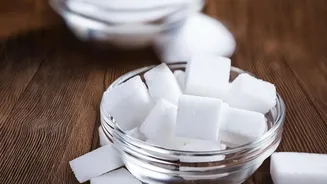
Manufacturers use many different names for sugar, and being able to spot them is key. Ingredients ending in “-ose” like fructose, dextrose, and sucrose are all forms of sugar. Syrups, such as high-fructose corn syrup or rice syrup, also count. Even terms that sound healthier, like honey, agave nectar, or fruit juice concentrate, are added sugars that should be consumed in moderation. Similarly, look out for different types of fats. You want to limit trans fats and saturated fats. Watch for terms like “partially hydrogenated vegetable oil,” which indicates the presence of unhealthy trans fats.
Finally, Assess the Marketing Claims
The claims on the front of the package—like "low-fat," "no added sugar," or "natural"—should be the last thing you consider. These terms are regulated by FSSAI, but they can be misleading if taken at face value. For example, a “fat-free” product might be loaded with sugar to compensate for the lack of flavour. A “no added sugar” product can still be high in naturally occurring sugars or contain artificial sweeteners. FSSAI has rules for these claims; for a product to be called "High in Fibre," it must contain more than 6g of fibre per 100g. By reading the ingredients and nutrition facts first, you can verify if these claims are truly meaningful or just clever marketing.