


An Unprecedented Product Offensive
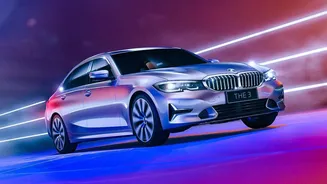
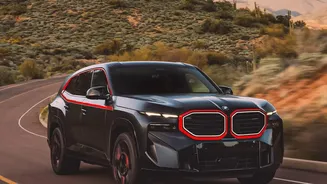
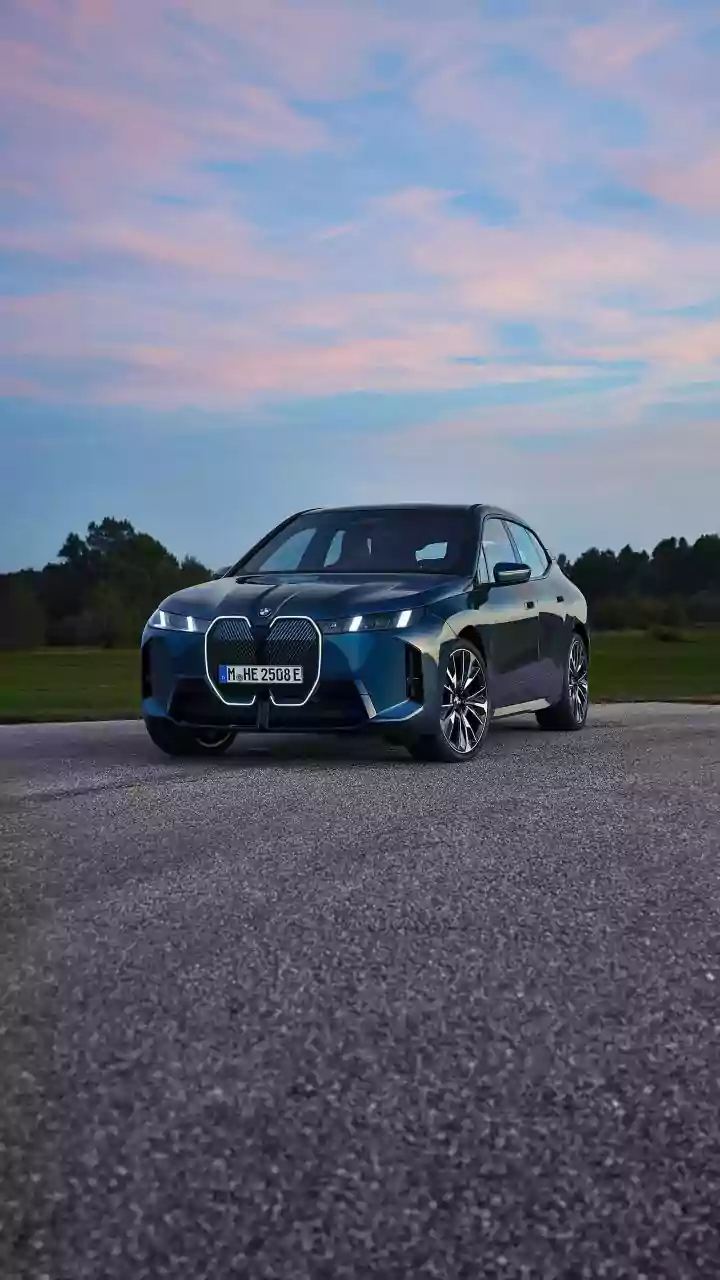
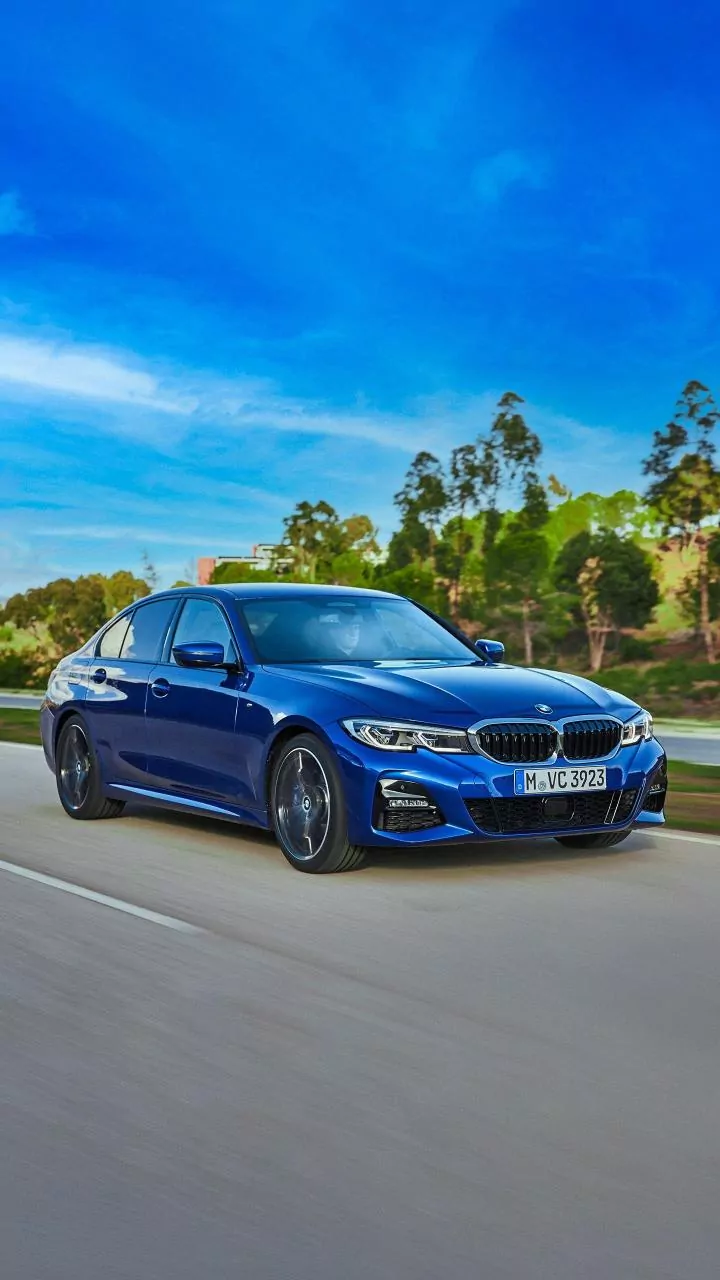
At the heart of BMW's 2026 strategy is one of the most ambitious product launch plans ever seen in India's luxury car segment. The company has announced a staggering 27 product actions throughout the year. This includes six entirely new models, four major
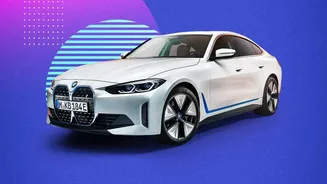
facelifts, and numerous special editions and updates across its portfolio. This rapid-fire approach is designed to keep the lineup fresh, cater to diverse customer preferences, and create sustained excitement around the brand. The plan covers both internal combustion engine (ICE) vehicles and a significant push in the electric vehicle (EV) space, reflecting a strategy to offer customers a wide spectrum of choices. This product blitz is a clear signal of intent to not just compete but dominate the conversation in the luxury automotive market.
New Wheels on the Block
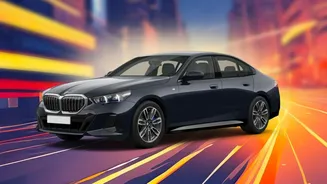
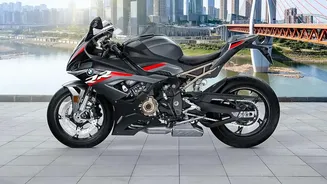
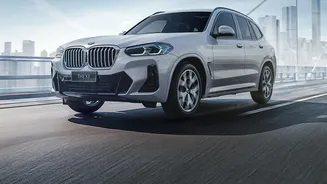
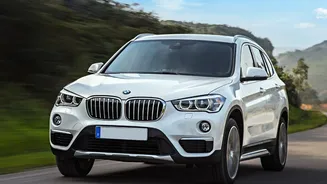
While the full list of new models is being rolled out progressively, the offensive includes significant additions to both the BMW and MINI brands. For its core brand, BMW is introducing new vehicles and updating popular mainstays like its X-series SUVs and luxury sedans. A major component of this strategy is the expansion of its MINI portfolio. The company launched the locally-assembled Mini Countryman C and has plans for nine more MINI models this year, including refreshes and all-new introductions. This focus on MINI, a niche but high-growth sub-brand, is crucial. By increasing local assembly, as with the Countryman C, BMW can price its vehicles more competitively and cater to the 70% of the market still favouring traditional petrol engines. This dual focus on premium EVs and accessible, localised petrol models demonstrates a nuanced understanding of the Indian consumer.
Beyond the Metros
A key pillar of the 2026 roadmap is a significant geographical expansion. BMW is moving beyond the traditional Tier-1 metro cities and making a concerted push into emerging Tier-2 and Tier-3 markets. The plan is to expand the overall network to 120 touchpoints across 50 cities. This includes doubling the retail network for the MINI brand, with ten new outlets planned for cities like Jodhpur, Ranchi, Lucknow, and Guwahati. This expansion is driven by the rising affluence and aspirational demand in these smaller cities. By establishing a presence early, BMW aims to capture a new wave of first-time luxury car buyers who previously had limited access to premium brands and service centres. This move from a metro-centric to a more pan-India presence is critical for long-term, sustainable growth.
Redefining the Retail Experience
The expansion isn't just about adding more dots on the map. BMW is also rethinking what a 'retail touchpoint' means. The strategy involves moving beyond the traditional large-format dealership model to include a variety of formats. These can include city-centre showrooms, pop-up stores in high-traffic areas like luxury malls, and enhanced digital sales platforms. This flexible approach allows the company to engage with customers in new and more convenient ways. For a brand like MINI, which thrives on its iconic style and community feel, these newer formats can create more engaging and lifestyle-oriented experiences. The goal is to make the brand more visible, accessible, and integrated into the customer's life, even before they decide to purchase a car.
The 'Why' Behind the Aggressive Push
BMW's ambitious plan is a direct response to the immense potential of the Indian market and the intensifying competition. After achieving record sales of over 18,000 cars in 2025 and seeing 17% growth in the first quarter of 2026, the company is aiming for the top spot. For the first time in 13 years, BMW even surpassed its primary rival, Mercedes-Benz, in quarterly sales, signalling a major shift in market dynamics. According to BMW Group India's President and CEO, Hardeep Singh Brar, the focus is not just on volume but on building a stronger product portfolio and enhancing the ownership experience. With India emerging as one of BMW's fastest-growing markets globally, this comprehensive 2026 roadmap is a strategic investment to solidify its position and capitalise on the country's burgeoning demand for luxury goods.