



A Feast for the Eyes
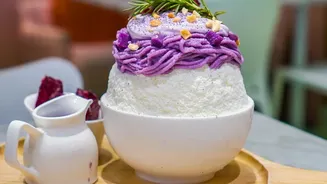
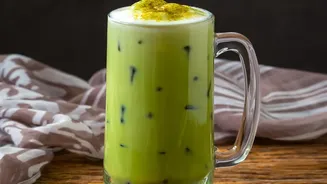
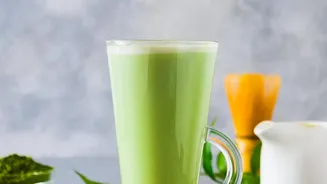
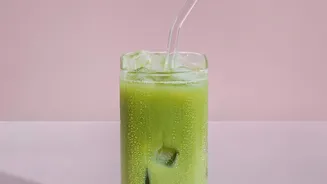
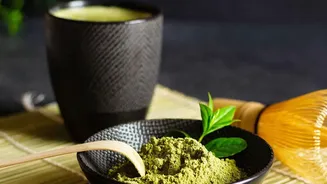
In today's digital age, we often eat with our eyes first. The explosive popularity of platforms like Instagram has turned dining into a visual experience, and cafes have taken note. A drink's 'Instagrammability' is now a key ingredient for success. The brilliant,
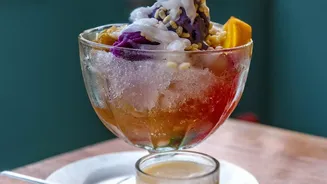
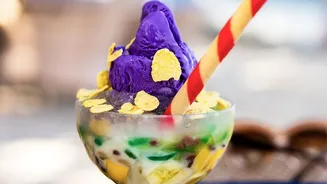
natural colours of matcha (a powdered green tea from Japan) and ube (a purple yam from the Philippines) make them perfect for a visually-driven world. That vivid green or deep violet doesn't just promise a unique taste; it promises a picture-perfect moment worth sharing. This creates a powerful cycle: you see a beautiful drink online, you go try it, you post it, and the trend spreads. For many, especially Gen Z, posting about a trending dish is a form of social currency, a way to show you're in the know.
A Taste of the World
Curiosity about global cuisines is at an all-time high in India. Younger consumers are adventurous, eager to explore authentic international flavours beyond the usual. Matcha and ube fit perfectly into this trend. Matcha, a cornerstone of Japanese tea ceremonies for centuries, offers a complex, earthy flavour. Ube, a staple in Filipino desserts, has a mildly sweet, nutty taste often compared to vanilla or white chocolate. Their arrival in Indian cafes is part of a larger movement that has seen a surge in popularity for cuisines like Korean, Japanese, and Vietnamese. As our palates become more global, these drinks offer an accessible entry point into different culinary traditions, all from the comfort of a local cafe. Recent data shows searches for both 'ube' and 'matcha' have hit all-time highs in India, confirming this growing curiosity.
The Wellness Halo
The appeal of these drinks goes beyond colour and novelty; it's also about health. In an era of conscious consumption, what we drink is as important as what we eat. Matcha is rich in antioxidants called catechins and is associated with a range of health benefits, including supporting heart health and boosting brain function. It contains L-theanine, an amino acid that can promote a state of calm focus, offering a gentler energy lift than coffee. Ube, too, is packed with vitamins and antioxidants. This 'wellness halo' makes these beverages an attractive alternative for health-conscious millennials and Gen Z consumers who want their indulgences to come with benefits. Google searches for 'matcha health' have skyrocketed, showing that consumers are actively looking into its nutritional value.
Smart Business for Cafes
For cafes operating in a competitive market, these trendy drinks are a recipe for success. Offering a unique, visually appealing item like an ube latte or a strawberry matcha is a form of free marketing. Customers who post photos of their vibrant drinks online generate organic buzz, drawing new patrons in. These specialty beverages often command a premium price, boosting revenue. Cafes are no longer just selling food and drink; they are selling an experience. By tapping into global trends, establishments can create 'Instagram-first' menu items designed for social media appeal, ensuring they stay relevant and attract a steady stream of curious customers. Some chains have taken notice, with brands like Starbucks India introducing ube-based drinks to their menus to capture this growing market.