




The Sticker Shock is Real
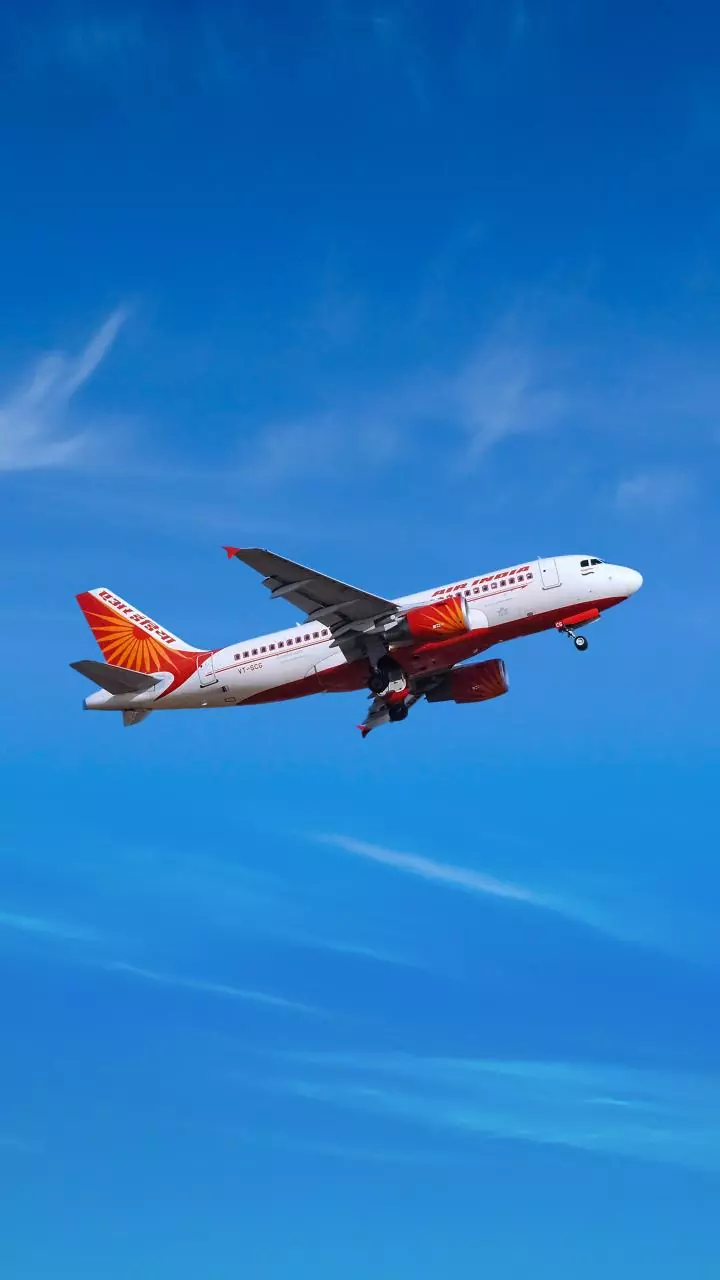
If you've searched for flights to Europe or the US recently, you are not imagining things. Prices are substantially higher than they were pre-pandemic. According to data from travel portals, average one-way fares on key routes like Mumbai-London and Delhi-Paris
have seen significant year-on-year increases. This surge is not random; it is a direct result of several converging factors. Airlines are grappling with higher aviation turbine fuel (ATF) costs, which constitute a large portion of their operating expenses. Additionally, ongoing geopolitical tensions have led to airspace restrictions, forcing airlines to take longer, more fuel-intensive routes. This, combined with reduced international flight capacity and a depreciating rupee, has created a perfect storm for pricey tickets.
The Revenge Travel Phenomenon
Despite the high costs, the urge to travel has never been stronger. This is often described as "revenge travel"—a desire to make up for lost time and experiences after years of pandemic-related restrictions. For many, travel is no longer just a discretionary expense but a vital way to reconnect with the world and celebrate a return to normalcy. This pent-up demand is a powerful psychological driver that makes the high cost of a flight a hurdle to overcome, rather than a complete barrier. Surveys have shown a strong desire among Indians to travel more to compensate for the lockdown years, turning wanderlust into a form of personal fulfilment.
A New Definition of 'Essential'
For India's rapidly growing middle and upper-middle class, the definition of essential spending is evolving. With rising disposable incomes, international travel has transitioned from a once-in-a-lifetime luxury to a non-negotiable annual activity. It has become a marker of aspiration and a key part of the modern Indian lifestyle, heavily showcased on social media. People feel that if they have to spend a significant amount anyway, it might as well be on ticking a country off their bucket list. This cultural shift means that while travellers are more conscious of value, they are not cancelling plans altogether. Instead, the travel budget is being protected, even if it means reallocating funds from other areas.
Smarter Planning, Shifting Destinations
The modern Indian traveller is adapting to the new cost reality by becoming smarter and more flexible. Instead of forgoing travel, many are shifting their destinations. While traditional hubs in Europe and the US have become prohibitively expensive for some, there is a massive pivot towards more accessible and affordable locations. Countries in Southeast Asia like Vietnam and Malaysia, and in the Middle East, are seeing a huge influx of Indian tourists. These destinations offer a compelling mix of affordability, amazing experiences, and, crucially, simplified visa processes or visa-free entry, which significantly reduces pre-trip hassle and cost. The rise of budget airlines and better connectivity to these regions has made a week in Vietnam or a long weekend in the UAE a feasible and attractive alternative.
The Search for Value and Experience
Ultimately, the trend reflects a shift towards experience-driven travel. Travellers are actively seeking out value, not just in terms of cost but in the richness of the experience. This might mean choosing an offbeat destination, travelling during a shoulder season, or prioritising a unique cultural event over a generic city tour. An increasing number of travellers are planning holidays around festivals, wellness retreats, or culinary trails. The decision-making process has become more strategic, with people paying closer attention to timing and overall trip value rather than just the headline flight price. They are asking not just where to go, but how to get a better experience without stretching the budget too far.