



The Science of the Mush
The journey from crisp to soft begins at a cellular level. Vegetables contain a lot of water. During the freezing process, this water turns into ice crystals. If freezing is slow, or if the temperature fluctuates (like in a frost-free freezer or during
transit), large, jagged ice crystals can form. These crystals puncture and damage the cell walls of the vegetable. When the vegetable is later thawed or cooked, the damaged cells can't retain their moisture. They collapse, releasing water and resulting in that all-too-familiar soft, watery, and mushy texture. Commercially, vegetables are 'flash-frozen' at peak ripeness to create tiny crystals and minimize this damage, which is why they can often be just as nutritious as fresh produce.
Mistake 1: Thawing Before Cooking
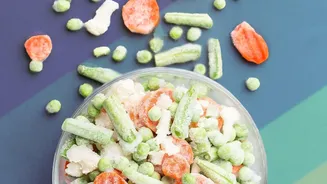
The single biggest mistake most home cooks make is thawing frozen vegetables before cooking them. Unless a recipe specifically calls for it (like for spinach you need to squeeze dry), thawing is the enemy of texture. When you let frozen veggies sit on the counter or in the fridge, the ice crystals melt, the damaged cell walls collapse, and you're left with a limp, soggy product before it even hits the pan. For the best results, always cook vegetables directly from their frozen state. This helps lock in their shape and texture as the high heat quickly evaporates any surface moisture.
Mistake 2: The Wrong Cooking Method
Boiling is a common but often detrimental way to cook frozen vegetables. Submerging them in a large pot of water not only leaches out flavour and valuable water-soluble nutrients but also saturates the already delicate plant tissues, guaranteeing a mushy outcome. Because most frozen vegetables are blanched (partially cooked) before freezing, they need less cooking time than their fresh counterparts. Overcooking is therefore a very common error. Your cooking method should fight moisture, not add to it.
The Path to Perfectly Crisp Veggies
The key to success is using high, dry heat. This allows the excess moisture from the ice to evaporate quickly, essentially steaming the vegetable from the inside while the outside gets a chance to roast or sear. Start with a very hot pan or a preheated oven (at least 205-220°C). Don't crowd the pan; give the vegetables space so they can roast or sauté rather than steam in their own liquid. If you're roasting, toss the frozen veggies in a little oil but wait to add salt until after they've started to brown. Salt draws out moisture, which can hinder the crisping process. For stir-frying, get your wok or skillet smoking hot before adding the frozen vegetables.
Better Cooking Techniques
Instead of boiling, embrace methods that use less water and more heat. Roasting is fantastic for broccoli, cauliflower, and carrots, as it caramelises their natural sugars and creates crispy edges. Sautéing or stir-frying is perfect for a quick, flavourful cook that preserves texture. Steaming is a healthier option that, if done correctly, can also yield great results. Use a steamer basket to keep the vegetables elevated above the boiling water, not submerged in it. Even microwaving with just a tablespoon of water can be better than boiling. And for a truly modern, crispy result, the air fryer is an excellent tool for cooking vegetables straight from the freezer.
Smart Shopping and Storing
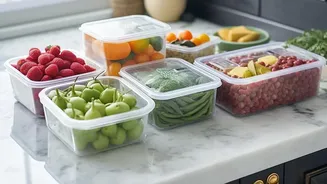
Your success starts at the grocery store. When you pick up a bag of frozen vegetables, give it a gentle shake. The contents should move freely. If the vegetables are frozen together in a solid block, it's a sign they have thawed and been refrozen, which means more cell damage and a higher likelihood of sogginess. Once home, store them in the coldest part of your freezer, usually the back, where the temperature is most stable. Aim to use them within about three months for the best texture and flavour, though they can last up to eight months.