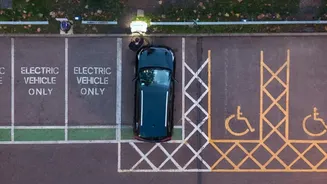





India's electric vehicle market charged ahead in October 2026, posting massive year-on-year growth. The festive season buzz translated into record numbers, confirming that the EV transition is gaining serious momentum across the country.
An Electrifying Year-on-Year Leap
The numbers for
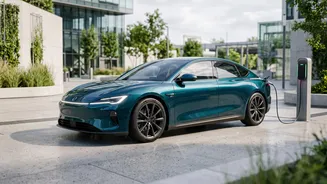
October 2026 paint a clear picture of an industry hitting its stride. According to data from the Federation of Automobile Dealers Associations (FADA), retail sales of electric passenger vehicles soared by 76.47% compared to the same month last year. Automakers sold 37,049 electric cars, a substantial jump from the 20,995 units retailed in October 2025. This impressive performance pushed the market share of EVs in overall car sales to 7.3%, more than doubling from 3.5% a year prior. The surge underscores a significant shift in consumer preference, fuelled by a combination of factors including the festive season, higher fuel prices, and a wider availability of models.
Who Is Leading the Charge?
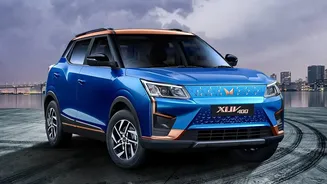
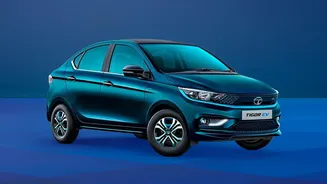
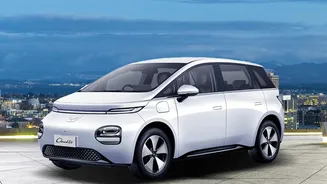
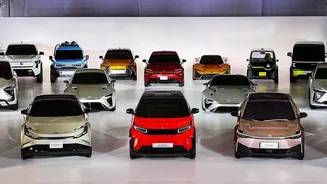
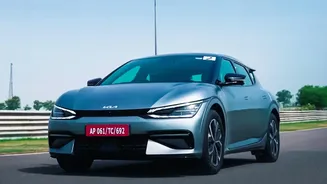
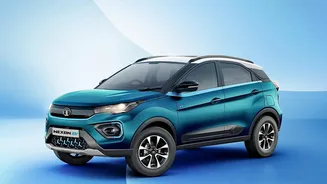
While the market is expanding, the race for dominance is intensifying. Tata Motors continues to lead the pack, retailing 14,669 EVs in October and demonstrating a robust 77.6% year-on-year growth. However, its rivals are rapidly closing the gap. Mahindra & Mahindra secured a strong second place with 8,538 units, marking an impressive 85.7% annual growth and increasing its market share. JSW MG Motor India held onto the third spot with 5,939 units sold. Together, these top three manufacturers accounted for nearly 79% of the entire electric car market in October. Newer entrants and other established players like Kia, Maruti Suzuki, and VinFast also posted significant sales, indicating a diversifying and increasingly competitive landscape.
What's Fuelling This Growth?
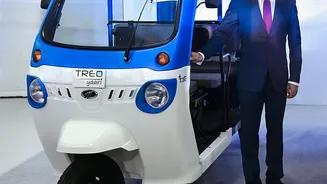
Several key drivers are accelerating India's EV adoption. The festive season, including Navratri and Diwali, traditionally sees a spike in vehicle purchases, and this year, EVs were clearly on many shopping lists. Persistently high petrol and diesel prices have made the lower running costs of electric vehicles a compelling proposition for many buyers. Furthermore, government support at both the central and state levels continues to play a crucial role. While the central PM E_DRIVE scheme primarily targets two_wheelers and commercial vehicles, state_level policies offering road tax waivers and registration fee exemptions provide significant financial relief for car buyers. A wider choice of models across different price points, from affordable compacts to premium SUVs, means there's now an EV for a broader range of consumers.
Challenges on the Road Ahead
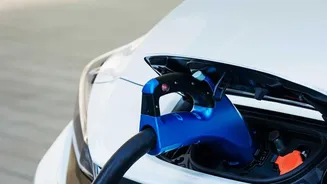
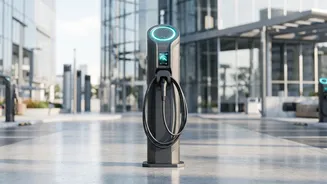
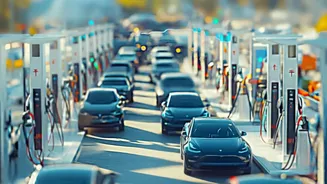
Despite the record_breaking sales, the path to mass electrification is not without its bumps. Concerns about charging infrastructure remain a primary barrier for many potential buyers. While the number of public charging stations has grown, with over 52,000 available as of mid_2026, their distribution and reliability can be inconsistent, leading to 'range anxiety'. High upfront costs, though decreasing, are still a deterrent for some. Recent surveys show that consumer confidence is heavily tied to battery reliability and charging convenience. In some cases, demand during the festive season even outstripped supply, highlighting potential supply chain vulnerabilities that manufacturers will need to address as the market continues to grow.