





What Are These New Sanctions?
The United States has launched what it calls "Operation Economic Outcast," a major initiative designed to sever Iran's remaining connections to the global economy. Rather than just sanctioning Iranian entities, the US is expanding its use of "secondary
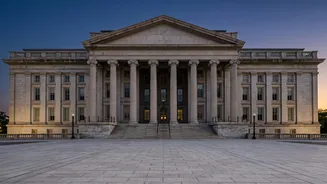
sanctions." These measures target non-US companies and financial institutions in other countries for doing business with Iran. On August 24, 2026, the US Treasury Secretary announced that the administration was giving the world notice to stop transacting with Tehran or risk being cut off from the dollar-based financial system. While specific deadlines were not immediately made public, the threat is clear: companies face a choice between the Iranian market and the much larger US financial system.
Which Sectors and Companies Are at Risk?
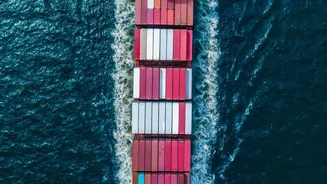
The latest sanctions are exceptionally broad, targeting five key sectors of the Iranian economy: digital assets, technology, gold, aviation, and shipping. The US Treasury says these are the primary channels the Iranian government uses to prop up its economy, evade previous sanctions, and fund its military and weapons programs. The US sanctioned over 60 new entities, individuals, and vessels in this latest round, including those accused of helping Iran with its missile technology, cyber operations, and illicit oil sales. The threat of secondary sanctions now extends to any foreign bank, refinery, or technology company that engages with these sectors, with US officials warning that "no one is above the reach of US sanctions." This puts major trading partners like China, the United Arab Emirates, and Turkey on high alert.
The Geopolitical Backdrop
These actions mark a significant escalation in the nearly six-month-long conflict between the US and Iran. After a period of direct military strikes and a US-led naval blockade of the Strait of Hormuz, Washington is shifting its strategy toward what it calls an "economic D-Day" or "economic asphyxiation." The goal is to apply maximum financial pressure to break a military and diplomatic stalemate. Relations have been fraught for decades, but tensions have been particularly high since the US withdrawal from the Joint Comprehensive Plan of Action (JCPOA), or Iran nuclear deal, in 2018. This latest move is part of a sustained "maximum pressure" campaign that has seen over 1,000 sanctions imposed since 2025.
The Global Ripple Effect
The policy forces a difficult choice upon companies and countries around the world. Many nations, particularly in Asia and Europe, have historically maintained trade ties with Iran and may view the US measures as an overreach into their own foreign policy. For international corporations, the risk of being locked out of the US dollar system is often too great to ignore, effectively forcing compliance with US foreign policy. This can disrupt global supply chains in energy, shipping, and manufacturing. While the US administration stated it was giving countries a "cure period" to wind down their activities, the ultimate threat could sour diplomatic relations, especially with major economic powers like China, whose banks and refineries are deeply involved in Iranian trade.
What Happens Next?
The US Treasury has indicated it is providing individual, defined timelines for countries and companies to cease their Iran-related activities before penalties begin. Officials have warned that they will act swiftly against those who do not comply. In response, Iranian officials have called the sanctions an "economic terrorist attack" and vowed to retaliate, stating they "know how to play the game." Some analysts are skeptical that economic pressure alone will lead to a policy change from Tehran, noting that Iran has withstood sanctions for over 40 years. For now, the global business community remains in a state of uncertainty, waiting to see how forcefully the US will enforce these secondary sanctions and how Iran and its remaining trade partners will respond.