




A New Physical Challenge
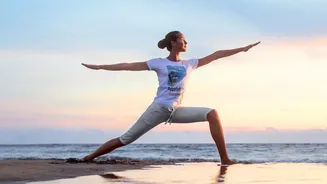
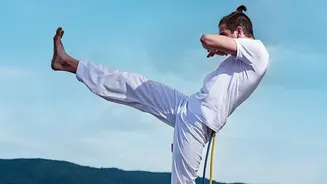
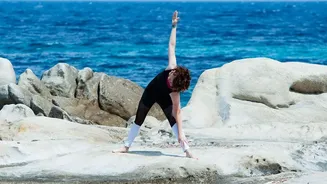
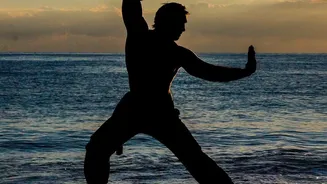
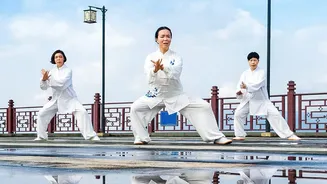
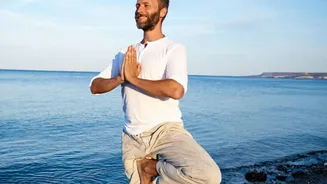
Practicing Tai Chi on a flat, solid surface allows you to perfect your form and balance. Taking that same routine to the beach introduces a new, dynamic element: the sand. The soft, uneven ground forces your body to work harder to maintain stability.
This engages the smaller stabilizing muscles in your feet, ankles, and legs, which might not get the same workout on a hard floor. Over time, this added resistance helps to build greater strength, improve proprioception (your sense of body position), and enhance your balance in a functional way. Each step and weight shift requires more mindful effort, deepening your physical awareness.
Engaging All Your Senses
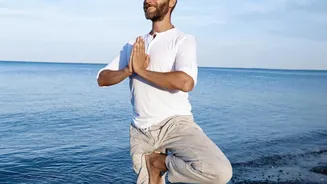
A beach setting offers a rich sensory experience that a studio cannot replicate. The rhythmic sound of the waves provides a natural cadence for your breathing and movements, helping you to find a steady, meditative flow. This auditory cue can enhance your focus and relaxation. The fresh, salty air encourages deeper breathing, which is a core component of Tai Chi, potentially improving lung capacity and reducing stress. The vast expanse of the open sky and horizon can also foster a feeling of openness and connection to the world around you, enriching the mental aspects of your practice.
Deepening the Mind-Body Connection
Tai Chi is often described as 'meditation in motion' because of its focus on mindfulness. The natural environment of a beach can amplify this effect. Practicing outdoors has been shown to lower stress and anxiety. The combination of mindful movement and exposure to a natural 'blue space' like the ocean helps calm the nervous system, lower cortisol levels, and improve your overall mood. Paying attention to the feeling of the sand beneath your feet, the wind on your skin, and the sounds of the shore helps to ground you in the present moment, fostering a profound sense of harmony between your inner state and the outer world.
Practical Tips for Your Beach Practice
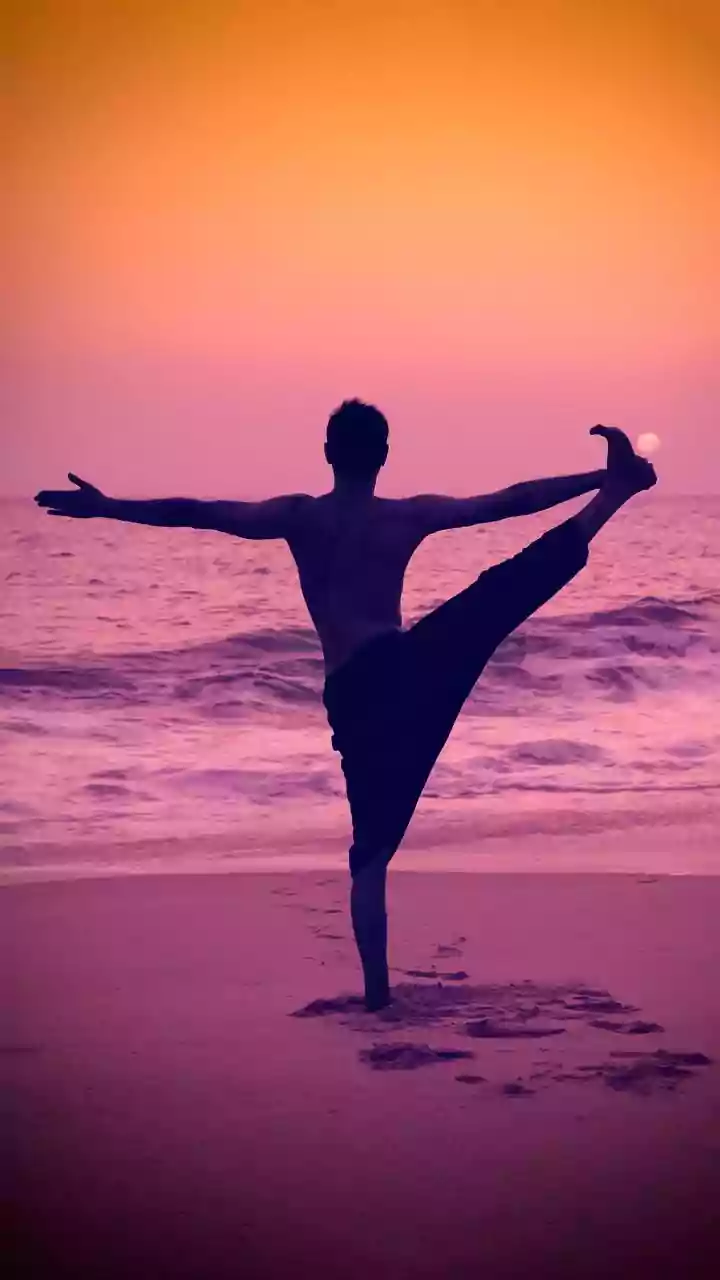
To make the most of your beach Tai Chi session, a little preparation goes a long way. Consider practicing during sunrise or sunset when the temperatures are cooler, the light is softer, and the beach is likely to be less crowded. This provides a more peaceful and focused environment. Decide whether you prefer practicing on the firm, wet sand near the water's edge or the softer, dry sand further up the beach; each offers a different level of stability and resistance. While some enjoy practicing barefoot to directly connect with the earth, you might prefer lightweight, flexible footwear. Most importantly, be patient with yourself. Your balance will be challenged, so adapt your movements and focus on the experience rather than perfect execution.