



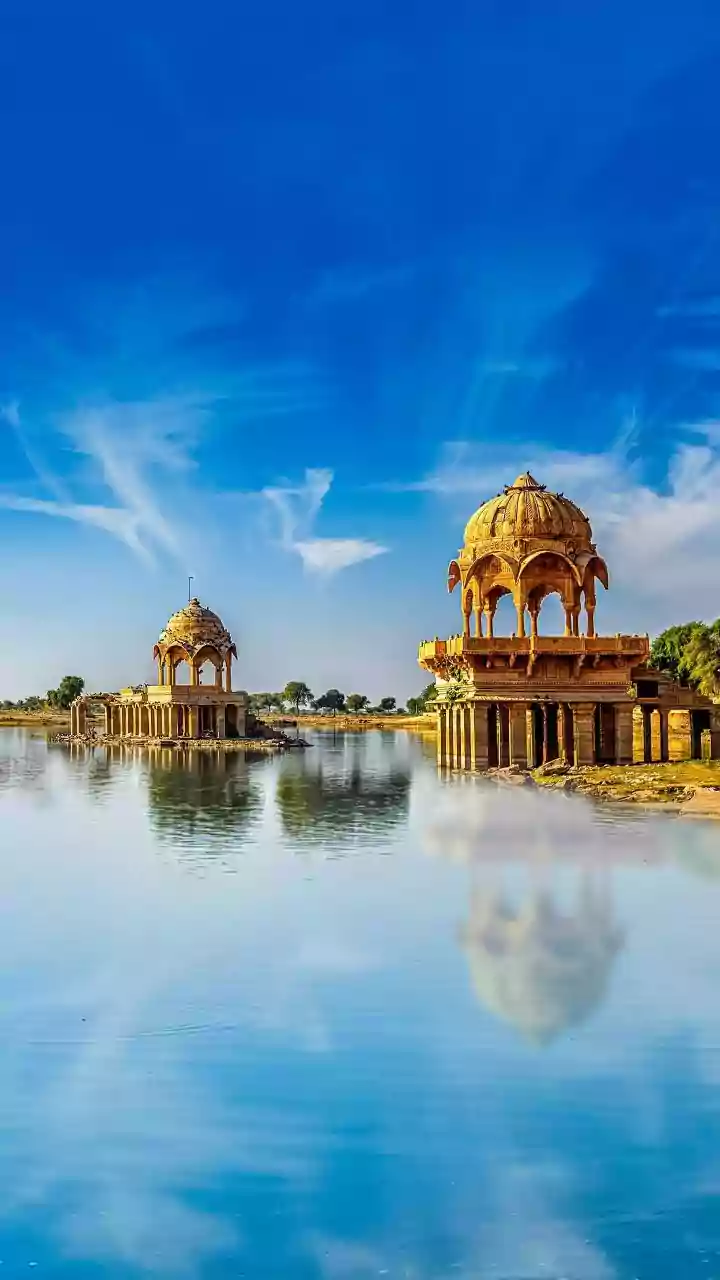



From Crammed Itineraries to Curated Experiences
The era of 'five countries in seven days' is fading. Indian travellers are increasingly rejecting the pressure to see and do everything, a sentiment that often leads to returning from a holiday more tired than before leaving. Recent travel data shows
a clear pivot away from quantity towards quality. A 2025 analysis of over 76,000 trips revealed a 24% decline in multi-city tours involving four or more stops, while itineraries with a single base for exploration grew by 36%. This move signifies a deeper desire for immersion over mere sightseeing. Instead of rushing between landmarks, the focus is now on soaking in the atmosphere of a single destination, whether that means exploring local cafes in Paris or enjoying the tranquility of a tea estate in Assam. Surveys indicate that relaxation, cultural exploration, and authentic local experiences are now top motivations for travel.
The Rise of Slow Travel and 'Bleisure'
This new mindset has given rise to concepts like 'slow travel' and 'bleisure'. Slow travel, the practice of spending longer in one place to connect with its culture, pace, and people, is gaining significant traction. Destinations that support a slower pace, like the backwaters of Kerala, the villages of the Himalayas, or even lesser-known towns like Jorhat in Assam, are seeing a surge in interest. The goal is no longer to just visit, but to live like a local, even if just for a week. Parallel to this is the boom in 'bleisure' travel, where professionals extend their business trips for a few days of leisure. India has become the second-largest market for this trend globally. This is driven by a younger workforce that views travel as an opportunity for personal growth and by more flexible corporate policies. The convenience of using the same hotel for both work and play makes this an increasingly popular option.
Technology as the Ultimate Comfort Tool
The headline's emphasis on 'smooth planning' is directly enabled by technology. Digital tools have revolutionised how trips are organised, making the entire process less stressful. A recent Booking.com survey found that 84% of Indian travellers feel that technology makes planning and booking easier, and 82% stated that having a well-planned trip helps them feel more in control. From comparing flight prices and accommodation to discovering hidden gems and booking authentic local experiences, travellers now have a wealth of information at their fingertips. This sense of control and ease is a crucial component of modern travel happiness. Trusted platforms provide a safety net, allowing for more confident and adventurous choices, while AI-powered suggestions can help personalise journeys to an unprecedented degree.
What's Driving This Monumental Shift?
Several factors are fuelling this evolution. The post-pandemic world has left many with a desire for more mindful and meaningful experiences, trading hustle for healing. Rising disposable incomes also play a part, as a growing number of travellers are willing to spend more on fewer, higher-quality trips that guarantee comfort and peace of mind. Surveys show that while travellers remain value-conscious, priorities have shifted, with a willingness to pay for premium, curated, and reliable experiences. Furthermore, a new generation of digitally-native travellers, including millennials and Gen Z, approaches travel as a form of self-expression rather than just escapism. For them, a trip is a reflection of their personality and interests, leading to hyper-personalised journeys.
How the Travel Industry Is Adapting
The travel and hospitality industries are taking note and adapting to this new paradigm. Hotels and resorts are no longer just selling rooms; they are curating entire ecosystems. Many now offer in-house cultural evenings, local food experiences, and family-focused amenities, ensuring guests can have a rich experience without constantly needing to step out. Tour operators are designing more flexible and slower-paced itineraries. There's a growing focus on boutique properties and homestays that offer a more intimate and authentic atmosphere over large, impersonal hotels. The definition of value has clearly shifted from the lowest price to the smoothest, most enriching, and stress-free experience possible.