




Karwa Chauth is a cherished festival of love and devotion, marked by the beautiful 'nirjala' fast. But going without water requires care. Understanding how this impacts your body is key to observing the tradition in a healthy, mindful way.
The Significance of a Nirjala Vrat
Karwa Chauth
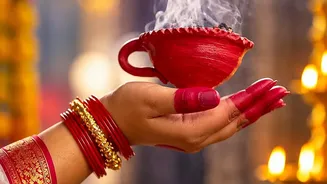
is a day when many married women pray for the long life and well-being of their husbands. At the heart of this festival is a day-long fast, which traditionally is 'nirjala' — meaning observed without consuming any food or even a drop of water. The fast begins at sunrise and is broken only after the moon is sighted in the evening. This act of abstaining from water is seen as a profound expression of devotion and self-discipline. While the tradition holds deep cultural and emotional significance for millions, it's also a physically demanding practice. Understanding its effects, especially on hydration, is essential for observing the fast safely without compromising on health.
What Happens When You Don't Drink Water?
A nirjala fast is essentially a 'dry fast'. When you abstain from water, your body begins to experience dehydration. Water makes up about 60% of our body and is vital for regulating temperature, transporting nutrients, and flushing out toxins. During a day-long fast without water, the body starts to lose fluids through breathing, sweating, and urination. Early signs of dehydration can include thirst, a dry mouth, fatigue, dizziness, and headaches. As the day progresses, these feelings can intensify. For a healthy adult who prepares well, a single day of this fast is usually manageable, but it’s crucial to know the signs and listen to your body.
Your Pre-Fast Preparation: The Sargi Meal
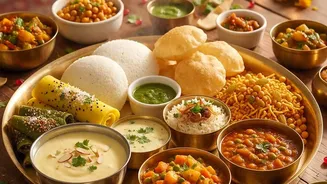
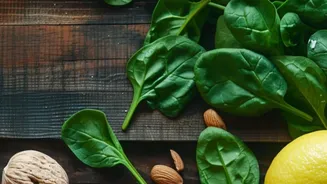
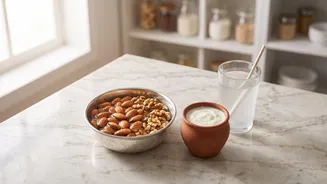
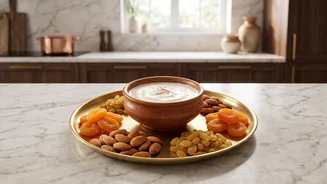
The pre-dawn meal, or 'sargi', is your foundation for the day. A well-planned sargi is not about eating as much as possible, but about choosing the right foods that provide sustained energy and hydration. Focus on a balanced plate that includes complex carbohydrates, protein, and healthy fats. Good options include whole-wheat roti, oats, or dalia, paired with paneer or curd. Including fruits with high water content like oranges, pears, or watermelon can also contribute to your fluid intake. A handful of nuts like almonds and walnuts will provide healthy fats and help you feel full for longer. It's also wise to drink plenty of water or coconut water during sargi, but avoid caffeinated drinks like tea and coffee, as they can cause fluid loss and acidity.
Breaking the Fast: A Gentle Approach to Rehydration
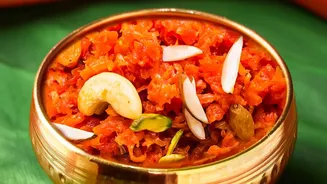
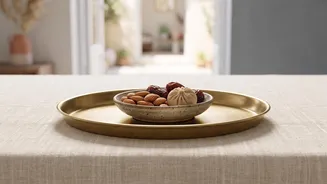
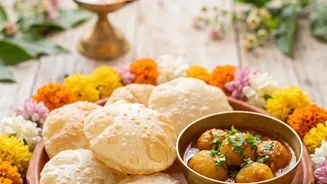
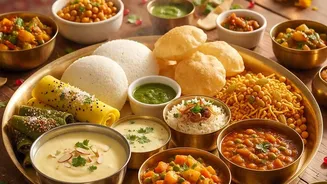
After a long day without food or water, how you break your fast is just as important as how you started it. The natural urge might be to eat a large, heavy meal immediately, but this can overwhelm your digestive system and lead to bloating or acidity. The first step should always be rehydration. Start by taking small sips of water. Don't gulp it down. Having a date or another small, sweet item can provide a quick boost of energy without being too heavy. For your meal, opt for something light and easy to digest. Moong dal khichdi with curd, or a simple dal with rice and a mild sabzi are excellent choices. Fried snacks, overly spicy dishes, and carbonated drinks are best avoided right after breaking the fast.
Who Should Exercise Caution?
While Karwa Chauth is a beautiful tradition, a strict nirjala fast is not advisable for everyone. It's crucial to prioritize health. Individuals with certain health conditions should consult a doctor before deciding to fast. This includes pregnant or breastfeeding women, as their nutritional and hydration needs are higher. People with diabetes are at risk of dangerously low blood sugar (hypoglycemia). Similarly, those with high or low blood pressure, heart conditions, kidney issues, or a history of frequent urinary infections should be extremely cautious, as dehydration can worsen these conditions. In these cases, a modified fast, perhaps allowing water and fruit ('phalahar'), can be a safer way to participate in the rituals.