





The World's Most Critical Chokepoint
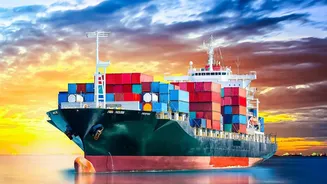
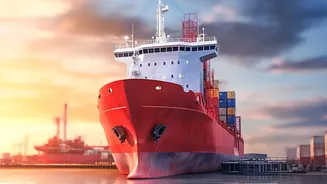
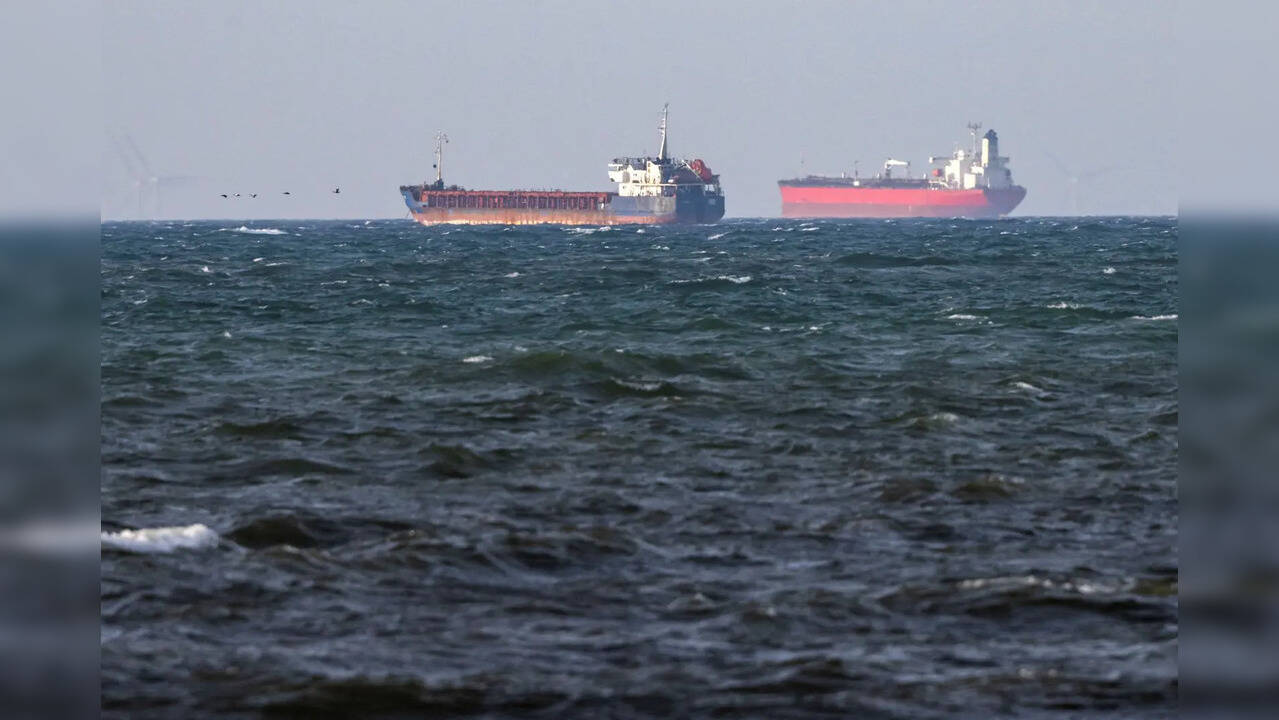
The Strait of Hormuz, a narrow channel connecting the Persian Gulf to the open ocean, is arguably the most important waterway on the planet. In the period before the major conflict escalation in February 2026, this strait was a constant procession of maritime
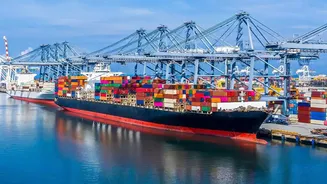
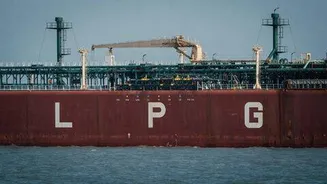
traffic. On an average day, more than 100 vessels, including massive oil tankers and carriers of liquefied natural gas (LNG), would navigate its waters. In 2025, an average of 20 million barrels of crude oil and petroleum products passed through the strait daily. This accounted for about 25% of the world's seaborne oil trade and nearly 20% of global LNG trade. The sheer volume makes it an irreplaceable corridor; options to bypass it are extremely limited and cannot handle the immense capacity. For countries like Iran, Iraq, Kuwait, and Qatar, it is the primary route to get their energy exports to global markets.
A Lifeline for India's Economy
For India, the stability of the Strait of Hormuz is not a distant geopolitical issue—it is a cornerstone of its economic security. India imports over 80% of its crude oil, and a significant portion of that supply has historically sailed through this very strait. In 2025, India and China together received 44% of the crude oil that transited Hormuz. Beyond oil, the strait is a vital corridor for LNG, petrochemicals, and other goods crucial for Indian industries. A secure and open strait ensures a stable supply of energy, which helps keep inflation in check and supports overall economic growth. Any disruption, therefore, has a direct and immediate impact, raising the cost of fuel, shipping, and everyday goods.
The Shadow of Conflict
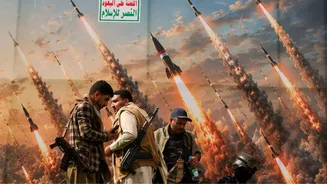
The "pre-war" period was one of fragile peace, always shadowed by regional tensions. The escalation in late February 2026, involving Iran, the United States, and Israel, shattered this delicate balance. In retaliation for military actions, Iran's Islamic Revolutionary Guard Corps (IRGC) declared the strait closed to vessels associated with its adversaries and began to actively disrupt shipping. This move was the culmination of long-standing geopolitical friction, turning the economic chokepoint into a military flashpoint. The strait effectively went from a superhighway of global commerce to a contested zone where passage became a high-risk gamble. International maritime insurance providers withdrew coverage for the area, making transit commercially unviable for most shipping lines.
The Aftermath of Disruption
The consequences of the strait's closure were immediate and severe. By early March 2026, commercial traffic had plummeted by nearly 95%. Ship transits came to a near halt. The price of Brent crude oil surged past $100 a barrel for the first time in four years, peaking at over $126. The disruption rippled through global supply chains far beyond oil. Exports of LNG, fertilizers, and industrial plastics from the Gulf nations collapsed. For instance, combined export volumes of key products like liquified natural gas and urea from the region fell by as much as 95% and 83% respectively. This created shortages and price spikes for industries and farmers worldwide, illustrating how dependent the global economy had become on this single, narrow waterway. Even by August 2026, daily traffic was a fraction of its former self, with transit volumes down by about 96% compared to the previous year.