



The Unstable Foundation
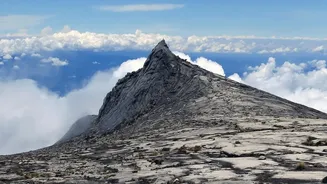
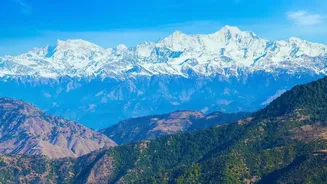
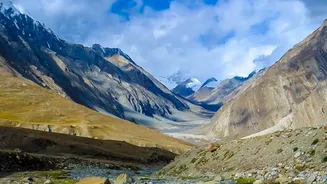
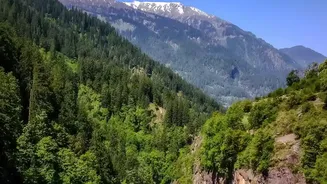
The story of Himalayan hazards begins with the mountains themselves. Geologically, the Himalayas are very young and active. The Indian tectonic plate is continuously pushing north into the Eurasian plate, causing the mountains to rise. This constant geological
activity makes the region prone to earthquakes and creates steep, unstable slopes. The terrain's sharp gradients and fragile rock features mean that it doesn't take much to trigger a disaster. This inherent instability is the bedrock upon which other hazards build.
When Water Attacks: Flash Floods and GLOFs
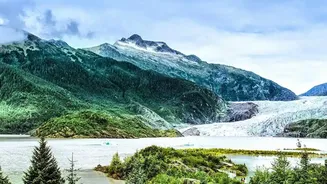
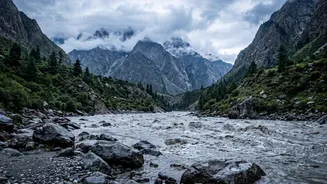
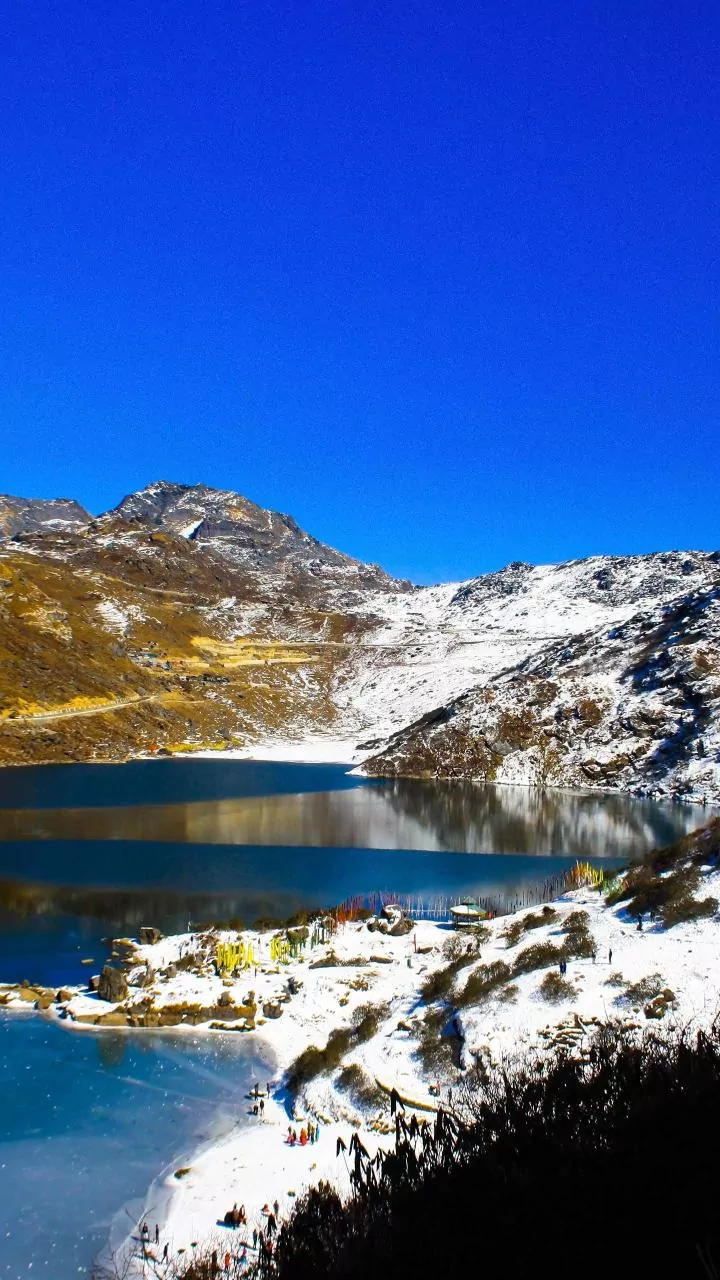
Himalayan flash floods are often misunderstood as just heavy rainfall events. While intense rain on steep slopes can cause devastating floods, a more unique and dangerous phenomenon is the Glacial Lake Outburst Flood (GLOF). As glaciers melt and retreat due to rising temperatures, they leave behind large lakes, often dammed by unstable walls of ice and loose rock (moraine). As the volume of water in these lakes grows, so does the pressure on the dam. A GLOF occurs when this natural dam fails suddenly, releasing a massive and destructive torrent of water, rock, and debris downstream at incredible speeds. Triggers for a dam failure can include an avalanche crashing into the lake, an earthquake, or simply the pressure of the water becoming too great for the weak moraine to hold.
The Power of Snow: Understanding Avalanches
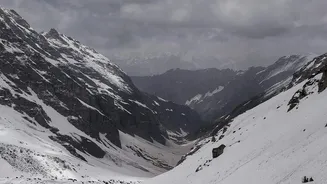
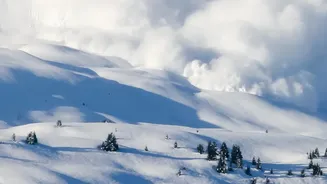
Avalanches are rapid flows of snow down a mountainside, and the Himalayas are naturally prone to them. They are generally classified into two types: loose snow avalanches and the far more dangerous slab avalanches, where a cohesive layer of packed snow breaks off and slides as a block. Triggers can be natural, like heavy snowfall adding weight to an unstable snowpack, or human activity. Climate change is altering avalanche patterns. Warmer temperatures mean that more precipitation falls as rain instead of snow, which can percolate through the snowpack and weaken the bonds holding it together, leading to more frequent wet-snow avalanches. Paradoxically, even though there might be less snow overall at lower altitudes, the remaining snowpack can become less stable.
The Domino Effect: Cascading Hazards
Perhaps the most critical concept for understanding Himalayan disasters is that of 'cascading hazards'. In this environment, one event often triggers a chain reaction. For example, an earthquake can trigger a landslide. That landslide can crash into a river, forming a temporary dam. When that dam bursts, it causes a flash flood. Alternatively, an ice avalanche from a hanging glacier can fall into a glacial lake, triggering a GLOF that devastates valleys miles downstream. This domino effect means the compounded impact is far greater than that of a single, isolated event. Recent disasters in the region have highlighted how a glacier collapse can quickly evolve into a debris flow and then a catastrophic flood, demonstrating a classic and deadly hazard cascade.
A Climate Change Accelerator
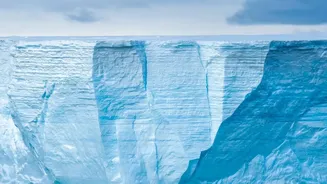
While the Himalayas have always been a hazardous region, climate change is acting as a powerful accelerator. Himalayan glaciers are reportedly melting at an accelerated rate, which directly increases the risk of GLOFs by creating new and larger glacial lakes. Warmer temperatures are also destabilising mountain slopes as permafrost—the frozen ground that acts like glue—begins to thaw, making landslides and rockfalls more likely. Changes in temperature and precipitation patterns are also making avalanches more frequent in some areas by altering the structure of the snowpack. Scientists warn that as the world warms, these interconnected risks will only multiply, making previously safe areas more vulnerable.