






Japan’s Plan for a Resilient Future
Japan's parliament enacted legislation to establish a secondary administrative centre capable of maintaining government functions if Tokyo is struck by a major catastrophe. The primary motivation is the high probability—estimated at 70% within the next
30 years—of a magnitude-7 class earthquake hitting the Tokyo metropolitan area. Such an event could cripple the nation's political and economic heart. The new law allows the prime minister to designate a region to take over legislative and administrative duties in an emergency. Beyond disaster preparedness, the law also aims to decentralize the country's economic structure and reduce the overconcentration of population and resources in Tokyo, which is home to about 30% of the population and generates a fifth of the GDP.
Delhi's Mounting Pressures
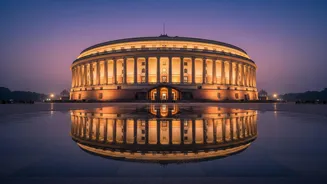
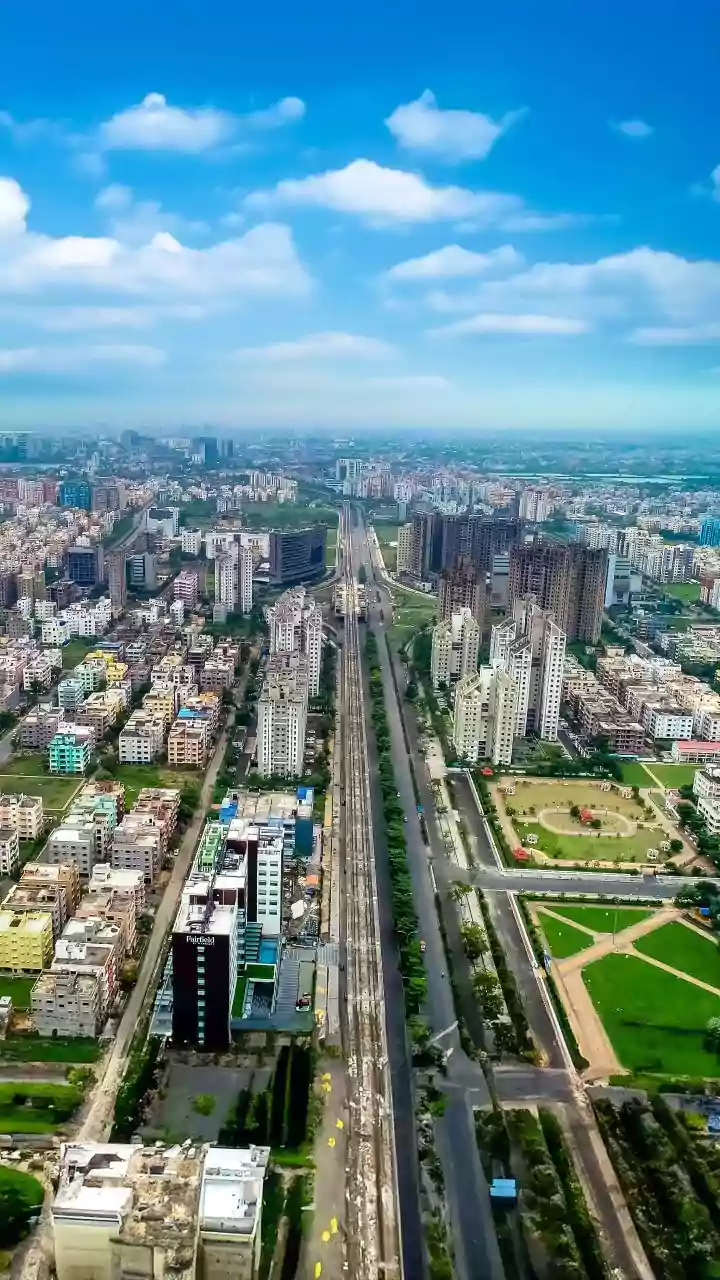
The challenges that prompted Japan's decision resonate deeply with India's own capital. New Delhi is groaning under the weight of its responsibilities. It is one of the world's most polluted capital cities, with air quality frequently reaching hazardous levels. The city also grapples with extreme overpopulation, housing shortages leading to sprawling slums, massive traffic congestion, and overflowing landfills. Furthermore, Delhi is located in a high-risk seismic zone, making it vulnerable to earthquakes. This concentration of administrative power in a single, strained, and vulnerable location represents a significant risk for the entire country's governance and stability.
The Long-Standing Case for a Second Capital
The idea of a second Indian capital is not new. As far back as 1955, Dr. B.R. Ambedkar argued for it in his book 'Thoughts on Linguistic States'. He cited Delhi's distance from the southern states and its vulnerability to military attack as key reasons. Proponents today argue that a second capital would foster balanced regional development, bringing governance closer to people in different parts of the country and reducing feelings of alienation, particularly in the south. It could also spur economic growth in an underdeveloped region and decongest Delhi by shifting some government ministries and functions elsewhere. Holding a parliamentary session, like the winter session, in a southern city has been proposed as a starting point.
The Contenders and the Hurdles
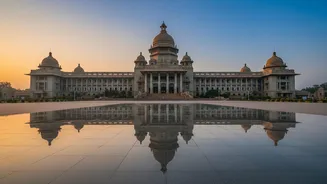
Several cities have been suggested over the years. Dr. Ambedkar himself favoured Hyderabad for its central location and accessibility. In recent times, Bengaluru has been promoted, championed for its status as India's IT and science hub and its cosmopolitan culture. Nagpur is another contender, primarily due to its geographical position at the very centre of India. However, the arguments against creating a new capital are formidable. The financial cost would be astronomical. Indonesia's ongoing project to build its new capital, Nusantara, is expected to cost around $35 billion. Beyond the expense, the logistical and political challenges of relocating ministries, building infrastructure, and ensuring connectivity would be immense. Experience from other countries shows that even after moving administrative offices, the original capital often retains its economic and social dominance, leading to a culture where officials commute rather than fully relocate.