




Why Water Is the Enemy of Good Chutney
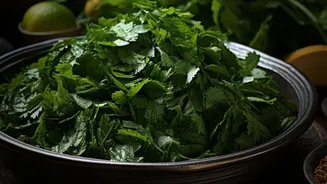
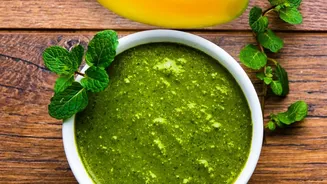
Green chutney is a celebration of fresh, pungent herbs like coriander and mint. When you add too much water during the grinding process, you are essentially just diluting these powerful flavours, resulting in a bland and unsatisfying condiment. A runny
chutney doesn't cling to snacks and can make sandwiches soggy. But the problem goes beyond mere consistency. Water accelerates the process of oxidation, which is the chemical reaction that causes the fresh green leaves to turn a dull, unappetizing brown or black. This exposure to air and excess moisture creates an environment where the chutney not only loses its colour but also its freshness, spoiling much faster.
The Ice-Cold Trick for a Vibrant Green
One of the best-kept secrets among chefs for maintaining that brilliant green hue has nothing to do with the ingredients themselves, but their temperature. The blades of a mixer-grinder generate a surprising amount of heat, which effectively 'cooks' the delicate herbs, causing them to wilt and darken. Instead of using room-temperature water, use a few ice cubes or ice-cold water while blending. This simple swap keeps the temperature inside the jar low, preventing the herbs from overheating and oxidising. The result is a chutney that stays brighter and tastes fresher for longer.
Think Binders, Not Just Liquid
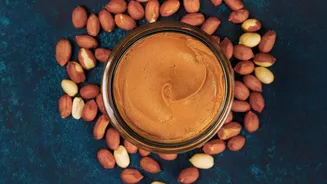
To achieve a thick, scoopable consistency without resorting to water, think about adding a binding agent. A spoonful of thick dahi (yogurt) can add creaminess and a subtle tang while helping to thicken the chutney. For a nuttier, richer texture, a small amount of roasted peanuts or fried Bengal gram (chana dal) works wonders. Even a small, roughly chopped onion or half a tomato can provide enough natural moisture to get the blender going, adding flavour and body at the same time. Some households in Gujarat even use a handful of plain sev or gathiya as a secret ingredient to achieve a perfectly smooth and thick consistency.
Master the Art of the Grind
How you blend is just as important as what you blend. Instead of running the mixer on high for a long stretch, use the pulse function. Grinding in short bursts prevents the motor from overheating and gives you better control over the final texture. Add your liquid component—be it ice water, lemon juice, or yogurt—slowly and only as needed to get the ingredients moving. It’s always easier to add more liquid than to fix a chutney that has become too runny. For coriander, feel free to use the tender stems, as they are packed with flavour and moisture. However, it's best to discard the tougher, woodier stems of mint, which can impart a bitter taste.
Storage Secrets for Longer Life
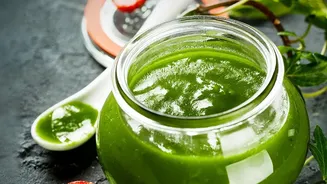
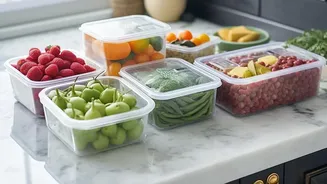
Once you've made the perfect chutney, proper storage is crucial. The key is to minimise its contact with air. Always store your chutney in a clean, dry, airtight glass jar. Before sealing the lid, you can pour a very thin layer of oil over the surface. The oil acts as a natural barrier, preventing air from reaching the chutney and slowing down oxidation. For long-term storage, freezing is the best option. Pour the chutney into an ice cube tray and freeze. Once solid, transfer the cubes to a ziplock bag. This allows you to thaw just the amount you need, keeping the rest perfectly fresh for months.