

The Widespread Belief: A Platelet Panacea
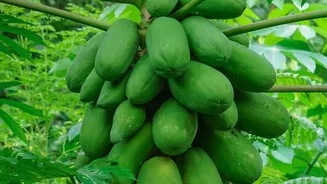
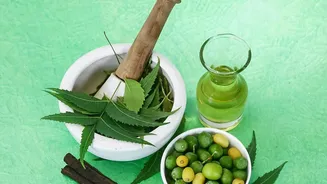
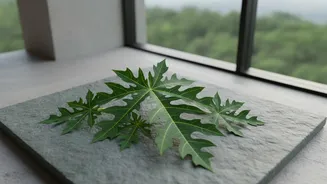
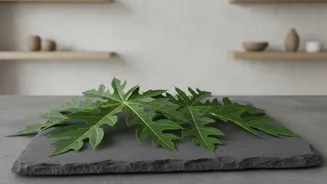
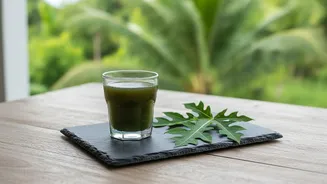
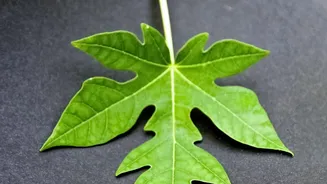
The use of Carica papaya leaf extract is deeply rooted in traditional medicine as a go-to remedy for dengue fever. The primary belief is that its consumption leads to a rapid increase in blood platelet count, which is a major concern during a dengue infection.
A significant drop in platelets, known as thrombocytopenia, can lead to dangerous bleeding complications, so the appeal of a simple, natural solution is understandable. Proponents believe the enzymes and phytochemicals in the leaves, such as acetogenin, actively support platelet production and bolster the immune system. This has made papaya leaf juice a staple in many households when a family member contracts the illness, often seen as the first line of defence.
The Science: A Glimmer of Truth, Not a Cure
Several scientific studies have investigated these claims, and there is some evidence to support the idea that papaya leaf extract can help increase platelet counts in dengue patients. A systematic review and meta-analysis found that patients given the extract showed a significant increase in platelets compared to control groups, particularly after a few days of treatment. However, researchers are quick to caution that this is not the full picture. An increase in platelets does not mean the underlying viral infection is cured. Dengue's most life-threatening complications, like plasma leakage, dehydration, and organ failure, are not addressed by papaya leaves. Therefore, while the extract may offer a supportive role, it is definitively not a cure for the disease itself.
The Real Danger of Dengue
Focusing solely on platelet count is a dangerous oversimplification of dengue fever. The critical phase of the illness often begins just as the fever starts to subside, which can mislead people into thinking the worst is over. During this period, the virus can cause blood vessels to become leaky, leading to a condition called plasma leakage. This is where fluid from the blood leaks into the body cavities, causing a sharp drop in blood pressure, shock, and organ damage. This condition, known as Dengue Shock Syndrome (DSS), requires immediate and expert medical intervention, primarily through carefully managed intravenous fluids. Relying on a home remedy that doesn't address this core issue can lead to a fatal delay in seeking proper care.
The Gold Standard: Monitoring, Fluids, and Supportive Care
There is no specific antiviral drug for dengue. The globally accepted and proven method of treatment is entirely symptomatic and supportive. This involves three crucial pillars. First, maintaining hydration with plenty of oral fluids like water, ORS, and coconut water is essential. In severe cases, intravenous (IV) fluids are necessary to prevent dehydration and shock. Second, close monitoring by healthcare professionals is vital. Regular blood tests to check platelet counts and hematocrit levels (an indicator of plasma leakage) allow doctors to spot warning signs early. Third, proper rest and fever management with safe medications like paracetamol are key. Importantly, painkillers like aspirin and ibuprofen must be avoided as they can increase the risk of bleeding.
The Verdict: A Complement, Not a Replacement
Papaya leaf extract cannot substitute for professional medical care. To view it as a standalone cure is a dangerous mistake. Doctors warn that relying on unproven remedies can mask worsening symptoms, cause side effects like vomiting, and lead to patients arriving at the hospital too late, already suffering from severe dehydration or organ injury. While the extract may complement standard treatment by potentially helping with platelet levels, it must never replace it. The foundation of surviving dengue is, and remains, timely medical intervention focused on fluid management and careful monitoring for complications. Any other approach risks turning a manageable illness into a medical emergency.