





The Serene Spiritual Heart
Any journey into the heart of Amritsar begins at Sri Harmandir Sahib, globally renowned as the Golden Temple. More than an architectural marvel, it is the spiritual anchor of Sikhism. The sight of the gleaming structure reflected in the Amrit Sarovar
(Pool of Nectar) is a calming experience, regardless of your faith. Walking the marble causeway, with the sound of Gurbani (hymns) filling the air, feels like a meditative pause from the outside world. The experience is incomplete without partaking in the Langar, the world’s largest free community kitchen. Sitting among thousands of fellow visitors and eating a simple, wholesome meal served by volunteers is a powerful lesson in humility and selfless service. The langar serves over 100,000 people daily, a testament to the city's unwavering spirit of generosity.
A Sombre Walk Through History
Just a short walk from the Golden Temple’s serenity lies a site of profound national significance: Jallianwala Bagh. This public garden is a solemn memorial to the hundreds of unarmed men, women, and children who were killed on April 13, 1919, when British troops opened fire on a peaceful gathering. Entering through the same narrow passage that the troops used serves as a haunting reminder of the tragedy. The bullet marks still visible on the walls and the Martyrs' Well, into which many jumped to escape the gunfire, are stark testaments to one of the darkest days in India's freedom struggle. A visit here is not just a history lesson; it's a moment of reflection on the price of freedom and the resilience of the human spirit.
Understanding the Pain of Partition
Amritsar is also home to the world's first institution dedicated to the human dimension of the 1947 Partition. The Partition Museum, located in the historic Town Hall, chronicles the largest mass migration in human history through a deeply personal lens. It is not a collection of dry facts but a repository of memories. Through oral histories from survivors, personal artifacts donated by families, letters, and photographs, the museum tells the story of displacement, loss, and survival. Walking through its 14 galleries, you hear the voices of those who lived through the trauma, making it an incredibly moving and essential experience to understand the subcontinent's modern history and identity.
The Mighty Fortress of Punjab
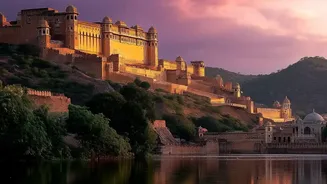
Rising from the city's centre is Gobindgarh Fort, a magnificent symbol of Punjab's strength. Originally built in the 18th century, it was fortified by the legendary Maharaja Ranjit Singh and became a powerful military bastion of the Sikh Empire. Now restored and opened to the public, the fort is a living museum. Inside, you can explore the Toshakhana, a coin museum that once held the famed Kohinoor diamond, and watch 'Sher-e-Punjab', a spectacular 7D show that brings the story of Maharaja Ranjit Singh to life. As evening falls, the 'Whispering Walls' light and sound show beautifully narrates the fort's storied past, making it a captivating journey back in time.
A Culinary Pilgrimage
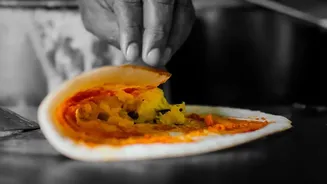
To truly know Amritsar, you must taste it. The city's food lanes are legendary, offering an unapologetic celebration of flavour. Your culinary journey must begin with the iconic Amritsari Kulcha—a crispy, flaky bread stuffed with spiced potatoes and served with a dollop of butter and a side of chole. Head to the lanes around Hall Bazaar or Lawrence Road for this quintessential breakfast. No meal is complete without a tall glass of thick, creamy Lassi from a heritage shop like Ahuja Sweets. As the day progresses, explore the bustling street food scene, from the crispy Amritsari fish fry to the sweet, syrupy Jalebis fried in pure ghee. Visiting a century-old institution like Kesar Da Dhaba for its rich dal makhani is a pilgrimage in itself.