




An Unexpected Colonial Import
While potatoes and tomatoes arrived in India via Portuguese ships, cauliflower was introduced by the British. In 1822, a British botanist named Dr. Jemson first planted cauliflower seeds in Saharanpur, Uttar Pradesh. This marked the beginning of the vegetable's
two-century-long history on the subcontinent. Initially cultivated for the British to recreate a sense of home, the vegetable slowly found its way into local markets and kitchens. Though it originated in the Mediterranean and was popular in Europe for centuries, its arrival in India was a relatively recent event that would forever change local cuisine.
How Gobi Became a Desi Staple
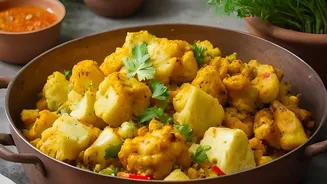
The cauliflower didn't just get adopted; it was completely transformed. Indian cooks applied their culinary genius, integrating the mildly nutty vegetable into a vibrant tapestry of spices. The most iconic of these creations is Aloo Gobi, a simple yet profoundly comforting stir-fry of potatoes and cauliflower, which has countless regional and household variations. Unlike European preparations that often involved boiling or creamy sauces, Indian methods like dry-frying (sabzi) and braising in spiced gravies allowed the cauliflower to absorb complex flavours while retaining some texture. By the late 19th century, Indian cookbooks began featuring recipes for cauliflower, cementing its place as a fixture in the national diet.
The Many Faces of Indian Cauliflower Curry
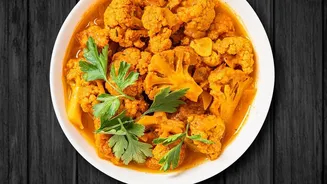
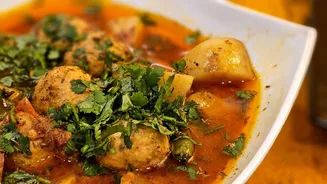
The term 'curry' itself is a broad catch-all, and this is perfectly illustrated by the variety of Indian cauliflower dishes. There is the aforementioned Aloo Gobi, a dry preparation common in North India where the florets are cooked with potatoes, onions, tomatoes, and a blend of spices like turmeric and cumin. Then there are rich, gravy-based versions like Gobi Masala or Kurma, where cauliflower is simmered in a creamy sauce, sometimes featuring coconut milk, yogurt, or cashews. From the minimalist Phulkopir Roast (florets fried in ghee) found in older Bengali texts to modern interpretations, each dish showcases a different facet of the vegetable's incredible adaptability.
A Journey Across Global Kitchens
The cauliflower's journey didn't end in India. As Indian food traveled the globe, so did its star ingredients. In recent years, cauliflower has become a global phenomenon, celebrated for its versatility and health benefits. While Thai curries, with their base of fresh herbs like lemongrass and galangal, use cauliflower differently than Indian ones, they highlight its ability to absorb soupy, aromatic sauces. Western chefs and home cooks now roast cauliflower with curry powder, blend it into creamy, dairy-free curry soups, or use it as a low-carb substitute for rice and potatoes to serve with curries. This global adoption speaks to the vegetable's chameleon-like ability to fit into diverse culinary contexts, from a South Indian Moilee to a modern fusion curry bowl.