





Climate change is often framed as a shared global challenge, but a searing new report from Oxfam argues it is anything but. The 'Disaster Divide' report paints a grim picture of climate injustice, where the world's poorest pay the ultimate price.
The Stark Chasm of Carbon Inequality
The core
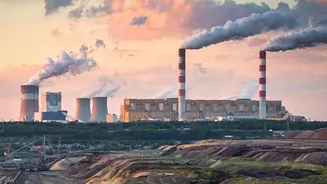
finding of Oxfam's latest analysis, released ahead of the COP31 climate summit, is the staggering gap in carbon emissions between the rich and poor. The richest 0.1% of the world's population, just 8 million people, produce more carbon pollution than the poorest 3.5 billion people combined. The emissions from the richest 1% are estimated to be responsible for 1.9 million excess heat-related deaths, with a devastating 78% of these deaths occurring in low and lower-middle-income countries. This highlights a profound injustice: those who contribute the least to greenhouse gas emissions are the ones bearing the brunt of its lethal consequences.
A Vicious Cycle of Vulnerability
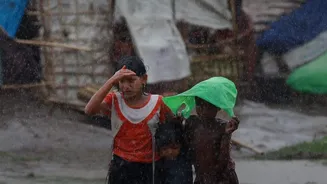
Climate disasters do not affect everyone equally; their deadliness is magnified by pre-existing inequality. According to Oxfam's research, deaths from flooding are a staggering seven times higher in more unequal countries. Wealthier individuals and nations can shield themselves from the worst impacts through better infrastructure, insurance, and the ability to relocate. For the poor, however, a single climate shock like a drought or cyclone can be catastrophic. It can wipe out a farmer's entire livelihood, destroy a family's home, and erase what little savings they had, pushing them deeper into poverty and debt. This creates a vicious cycle where repeated climate shocks leave communities more exposed and with fewer resources to recover each time.
The Human Cost Beyond the Data
Behind the statistics are shattered lives and lost futures. The majority of the world's poor rely on natural resources for their livelihood, such as small-scale farming and fishing. Climate change disrupts this delicate balance with unpredictable rains, prolonged droughts, and warming oceans that destroy crops, kill livestock, and deplete fish stocks. This leads not only to loss of income but also to severe food and water scarcity. Furthermore, the International Organization for Migration has warned that as many as one billion people could be displaced by the climate crisis by 2050, creating a massive wave of climate refugees, primarily from the Global South.
Profiting from the Crisis
The report also sheds light on a disturbing trend: the super-rich and their corporations are not only insulated from the crisis but are, in some cases, profiting from it. Oxfam's 'Destroy & Rebuild Index' identifies corporations that profit from industries fueling climate breakdown and from the subsequent disaster recovery and reconstruction efforts. The global disaster recovery market is a growing industry, projected to be worth billions annually. This creates a 'disaster divide' where the same group responsible for much of the pollution also benefits financially from the chaos it creates, while those affected are left to rebuild their lives with little to no support.
The Path Forward: A Call for Justice
Oxfam's report is not just a diagnosis but also a call to action. The organization is urging governments to take decisive steps to break this cycle of inequality. The primary recommendation is to make rich polluters pay for the damage they cause. This includes implementing permanent wealth and excess profit taxes on fossil fuel corporations and the super-rich, along with punitive taxes on high-emission luxury items like private jets. The revenue generated would be used to significantly increase climate finance for developing nations, helping them adapt to climate change and recover from disasters, and to fund a just transition to renewable energy.