






Spotlight on Bengaluru
This week, global attention in the space sector turns to Bengaluru, host of the second International Conference on Spacecraft Mission Operations, or SMOPS-2026. Jointly organised by the Indian Space Research Organisation (ISRO) and other international
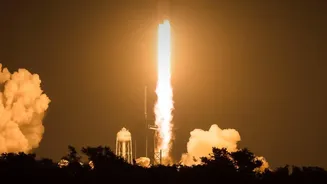
bodies, the event brings together scientists, engineers, and industry leaders from agencies like NASA and ESA. The theme, “Innovative Operations for Smart and Sustainable Space Mission Management,” signals a crucial shift in focus. While rocket launches capture the public imagination, this conference is dedicated to the complex and continuous work that keeps our space infrastructure running, long after the countdown ends.
Beyond the Launchpad: The Unseen Orchestra
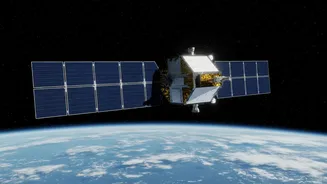
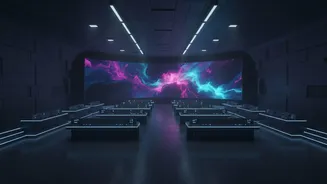
A satellite's mission truly begins once it's in orbit. This is where mission operations come in—the behind-the-scenes effort to ensure a satellite performs its job successfully. Think of it as an invisible orchestra conducted from the ground. Teams of engineers and specialists work around the clock, sending commands, monitoring the spacecraft’s health, and analysing the data it sends back. Based in Bengaluru, ISRO's Telemetry, Tracking and Command Network (ISTRAC) is the nerve centre for these operations in India, managing everything from launch vehicle tracking to the lifelong support of satellites in orbit.
The Daily Grind of a Satellite Controller
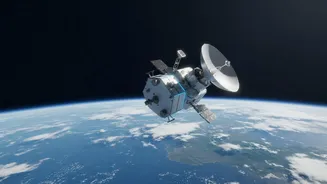
So, what does this work actually involve? It's a constant cycle of monitoring and management. Controllers check telemetry data, which is a stream of information on the satellite's health—temperature, power levels, and system status. They send commands to adjust its orientation, activate scientific instruments, or perform orbital manoeuvres. This is vital for everything from ensuring a communications satellite points towards the right spot on Earth to telling a deep space probe when to fire its engine. Satellites for weather forecasting, navigation, and live broadcasting all depend on this meticulous, 24/7 support to function.
Navigating the Crowded Skies
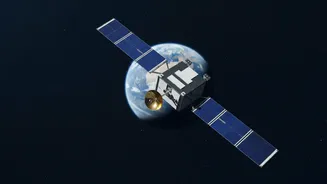
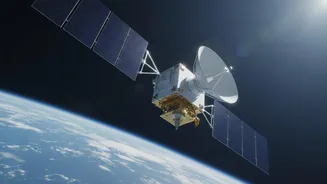
One of the biggest challenges discussed at SMOPS-2026 is managing the increasingly crowded environment of low-Earth orbit. With over 10,000 active satellites and millions of pieces of space debris, the risk of collision is a constant threat. A tiny fragment of a defunct satellite travelling at thousands of kilometres per hour can catastrophically damage an operational one. Teams at centres like ISTRAC perform constant Space Situational Awareness (SSA), tracking objects and predicting potential collisions. When a threat is identified, they must calculate and execute a collision avoidance manoeuvre, a delicate process that consumes precious fuel and shortens a satellite's operational life.
India's Leadership in Sustainable Space
Hosting SMOPS-2026 reinforces Bengaluru's status as India's space capital and highlights ISRO's growing leadership in sustainable space operations. ISRO has been a vocal proponent of space debris mitigation and has committed to Debris Free Space Missions (DFSM) by 2030, a move that requires advanced mission planning and end-of-life disposal strategies. By mastering the complexities of satellite operations and championing responsible practices, India is not just launching missions but ensuring the long-term viability of activities in space. The discussions and collaborations at SMOPS-2026 are crucial for shaping the future of how humanity operates in this final frontier, with Indian expertise playing a central role.