







The Allure of the Glow
Walk down any beauty aisle, and you'll be met with rows of serums promising brighter, more radiant skin. These are often called 'radiance' or 'glow' serums. Their power lies in active ingredients that target dullness, uneven skin tone, and texture. Common
heroes in these formulations include Vitamin C, an antioxidant that fights damage and brightens; Niacinamide (a form of Vitamin B3) which can improve skin barrier function and reduce redness; and various exfoliating acids like Glycolic and Lactic Acid (AHAs), which slough off dead skin cells to reveal smoother skin underneath. When used correctly, these ingredients can deliver impressive results, helping you achieve a clearer and more luminous complexion.
Your Serum's Most Important Partner
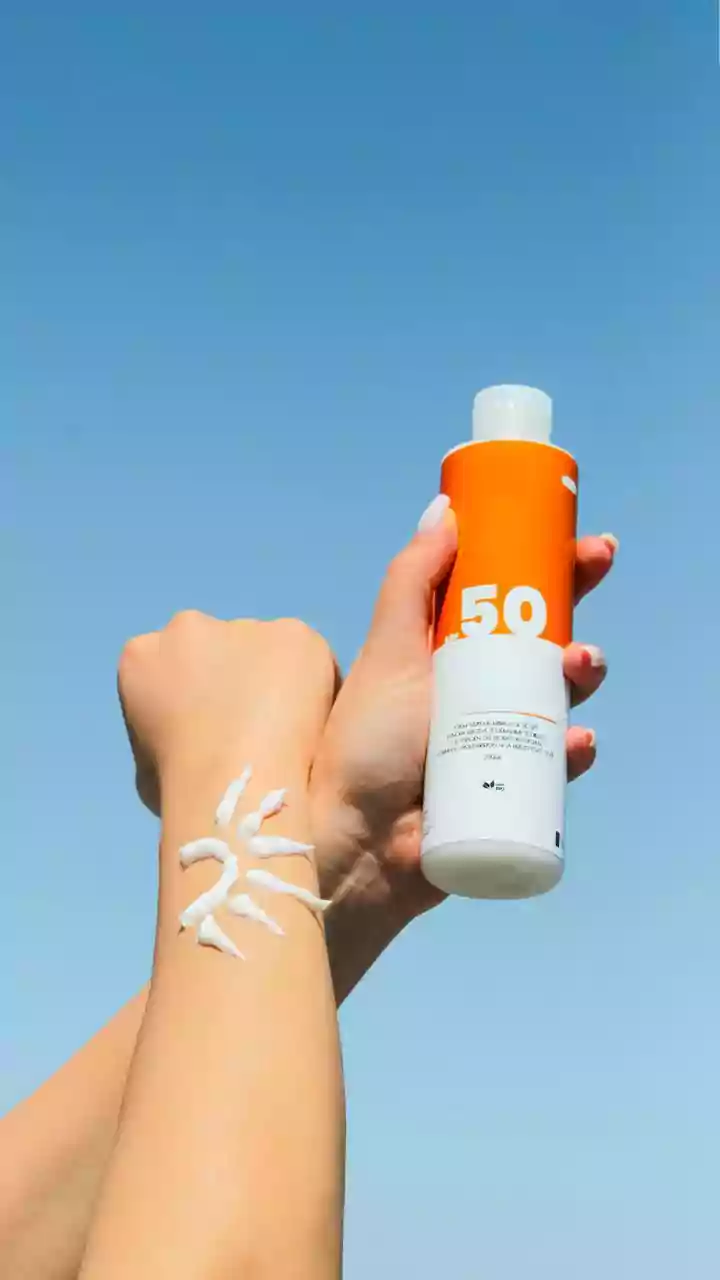
Here's the most important rule of using a radiance serum: sunscreen is non-negotiable. Many of the very ingredients that create that coveted glow also make your skin more vulnerable to sun damage. Ingredients that exfoliate or speed up cell turnover, like AHAs and retinoids, reveal fresh, delicate new skin. This new skin is significantly more susceptible to ultraviolet (UV) radiation. This increased sensitivity is called photosensitivity, and it can lead to quicker sunburns, irritation, and even new dark spots—ironically, the very thing you might be trying to fix. Think of sunscreen as an insurance policy for your serum. It not only protects your skin but ensures the hard work and money you've invested in your serum isn't immediately undone by sun exposure. Layering an antioxidant serum like Vitamin C under your sunscreen can even boost its effectiveness, providing a second line of defence against environmental damage.
The Golden Rule of Sun Protection
In a country like India, where the sun is a constant companion, daily sun protection is a must for everyone, but it becomes even more critical when using active skincare. Always opt for a broad-spectrum sunscreen with an SPF of 30 or higher. 'Broad-spectrum' means it protects you from both UVA rays (which cause aging) and UVB rays (which cause burning). Apply it generously as the last step of your morning skincare routine, at least 15 minutes before heading outside. Don't forget areas like your neck, ears, and the backs of your hands. And remember, sunscreen isn't a one-and-done application. If you're sweating or have been outdoors for a prolonged period, reapplication is key to staying protected.
Listening to Your Skin
Have you ever tried a new product only to be met with redness, stinging, or peeling? That's your skin telling you it's overwhelmed. The concept of 'skin tolerance' is about understanding how much of an active ingredient your skin can handle without irritation. Powerful ingredients can sometimes disrupt the skin's natural barrier. The solution is to start low and go slow. Introduce one new active product at a time. Begin by using it just a few times a week, perhaps once or twice, and observe how your skin responds. If there's no irritation, you can gradually increase the frequency. Your skin doesn't become 'immune' to products; rather, it adapts and builds tolerance, especially to ingredients like retinoids. This adjustment period is normal, but pushing your skin too hard, too fast can lead to a compromised barrier and more problems down the line.
The Simple Path to Safe Use
Before slathering a new serum all over your face, a simple patch test can save you from a full-face reaction. The American Academy of Dermatology recommends applying a small, coin-sized amount of the product to a discreet test spot, like the inside of your elbow or behind your ear. Apply it twice daily for seven to ten days to the same spot. This extended period helps catch delayed reactions. If you notice any redness, itching, swelling, or bumps, wash the product off immediately and discontinue use. If after a week your skin is clear, you can feel more confident about incorporating the product into your facial routine. This simple step is the smartest way to introduce powerful new formulas safely.