






A Meal Born of Necessity
The story of pav bhaji begins not in a fancy kitchen, but on the bustling streets of 19th-century Bombay. Around the 1850s, the city's textile mills were booming, drawing in thousands of workers. These laborers faced long hours and short lunch breaks,
needing a meal that was quick, affordable, and nourishing enough to sustain them through strenuous work. Local street vendors rose to the occasion with an ingenious solution. They took various leftover or easily available vegetables, mashed them together on a large, flat griddle called a tawa, and mixed them with a blend of spices. This hearty vegetable mash, the 'bhaji', was served with soft, buttered bread rolls known as 'pav'. This combination provided a hot, satisfying, and quick lunch that was perfect for the mill workers' needs.
The Anatomy of a Classic
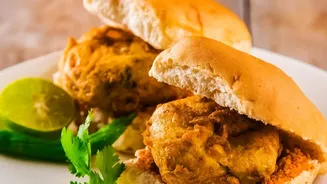
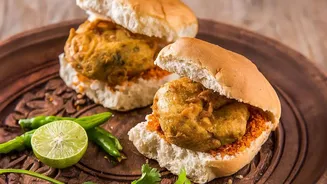
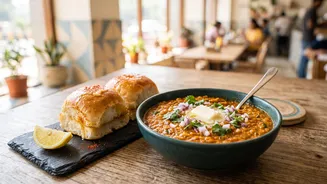
At its heart, pav bhaji is a masterful blend of simplicity and flavor. The 'bhaji' is a thick curry typically made from a base of potatoes, tomatoes, onions, cauliflower, peas, and capsicum. These vegetables are boiled, mashed, and then simmered with a generous amount of butter and a special spice mix known as pav bhaji masala. This signature masala—a blend of spices like red chilli powder, cumin, coriander, and dry mango powder—gives the dish its distinctive, tangy, and robust flavor. The other half of the duo, the 'pav', has its own unique history. The word is derived from the Portuguese 'pão', meaning bread, a culinary remnant of their presence on India's west coast. These soft bread rolls are sliced, slathered with butter, and toasted on the same tawa as the bhaji, allowing them to soak up all the delicious, spicy flavors before being served.
From Street Cart to Global Stage
What started as a humble meal for laborers soon captivated the entire city. Its affordability and delicious taste made it a favorite among people from all walks of life. Over time, pav bhaji migrated from the mill areas to other parts of the city, becoming a staple at food stalls on beaches like Chowpatty. As its popularity soared, the recipe evolved. Cooks began to experiment, leading to a wide array of variations. Today, you can find everything from Cheese Pav Bhaji and Paneer Pav Bhaji to Jain versions made without onion and garlic. From its origins on Mumbai's streets, the dish has journeyed across the country and the globe, finding a cherished spot on menus in restaurants from Delhi to Singapore.
More Than Just Food: A Cultural Symbol
To call pav bhaji just food would be an understatement. It's a social equalizer, a dish enjoyed by everyone from college students and office workers to families and late-night revelers. It perfectly mirrors the character of Mumbai itself: fast, resourceful, and deeply satisfying. The sight of a vendor deftly mashing vegetables on a sizzling tawa is a quintessential Mumbai experience. The dish embodies the city's spirit of bringing people together, a communal meal that is both convenient and comforting. It represents the city's ability to create something extraordinary from simple ingredients, a testament to its innovative and resilient working-class roots.