
The Science Behind the Trick
The magic ingredient in this process is a natural plant hormone called ethylene gas. Many fruits produce ethylene as part of their ripening cycle. This odorless, colorless gas signals the fruit to begin breaking down starches and converting them into
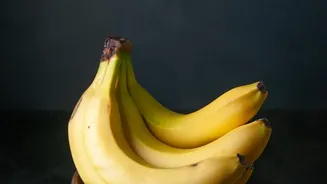
sugars, softening the flesh, and developing the color and aroma we associate with ripeness. Think of it as a chemical messenger that tells the fruit, "It's time to get sweet and delicious." When a fruit that is sensitive to ethylene is exposed to it, its own ripening process kicks into high gear. Bananas are particularly sensitive to this gas, which is why a little external influence can make a big difference.
Meet the Ethylene All-Stars
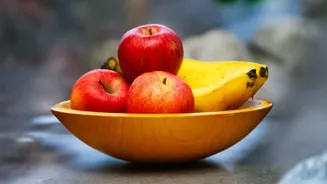
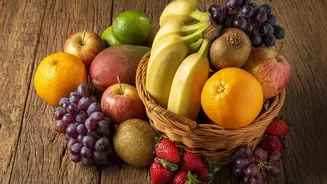
The headline is absolutely correct. Apples, mangoes, and pears are all known as high-ethylene producers. When you place one of these fruits near a bunch of green bananas, you're essentially giving the bananas a concentrated dose of the ripening signal. Other fruits that are also heavy ethylene emitters include ripe avocados, peaches, plums, and cantaloupes. In fact, this principle is used commercially, where under-ripe fruits are often exposed to controlled bursts of ethylene to ensure they arrive at the grocery store perfectly ready for customers. You can create your own mini-ripening chamber right in your kitchen using this same science.
How to Speed Up Ripening
To put this knowledge into practice, you need to trap the ethylene gas. The most effective method is to place your green bananas in a paper bag with an ethylene-producing fruit like an apple or a ripe pear. Fold the top of the paper bag loosely shut. A paper bag is better than a plastic one because it traps most of the ethylene gas while still allowing for a bit of air circulation, which prevents moisture from building up and causing mold. Depending on how green your bananas are, this method can ripen them in just a day or two, much faster than they would on their own. For an even bigger boost, use a piece of fruit that is already very ripe, as it will be releasing more ethylene.
Slowing It Down: The Opposite Problem
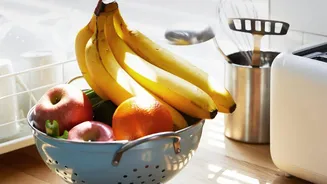
What if you have the opposite issue and want to keep your bananas from turning into brown mush too quickly? The same science applies, just in reverse. To slow ripening, you need to minimize ethylene exposure. First, separate your bananas from each other; keeping them in a bunch concentrates their own ethylene production. Most importantly, store them away from high-ethylene producers like apples, pears, and avocados. Storing bananas in the refrigerator can also slow the ripening process, although the peel may turn dark brown or black. The fruit inside will still be perfectly fine to eat, just less ripe than if it were left at room temperature.
Beyond the Banana
This ethylene trick isn't just for bananas. You can use a ripe apple or banana to help ripen a rock-hard avocado, a stubborn peach, or an unyielding plum. The process is the same: place the fruits together in a paper bag and let the ethylene work its magic. On the flip side, you should also be careful about what you store together. Keeping ethylene-producing fruits separate from ethylene-sensitive vegetables is key to a longer-lasting grocery haul. For example, storing apples next to carrots can cause the carrots to develop a bitter taste, and exposure to ethylene can make lettuce and other leafy greens turn yellow and limp.