
While the world hopes an end to conflict will stabilize volatile energy markets, the International Energy Agency (IEA) offers a stark warning. The path to recovery will be long and arduous, with deep-seated issues that a ceasefire alone cannot fix.
A Changed Global Energy Map
Recent
geopolitical conflicts, particularly the war in the Middle East that began in February and disrupted the Strait of Hormuz, have fundamentally altered the global energy landscape. IEA Executive Director Fatih Birol has stated that he doesn't see a 'credible pathway' for markets to return to pre-war conditions even by 2027. The crisis has reversed expectations of an energy surplus this year, instead creating severe supply disruptions that have sent prices for crude oil and refined products soaring. These events, coming just a few years after the 2022 crisis involving Russia, are prompting a major rethink of energy security and investment strategies worldwide.
The Deep Scars on Infrastructure
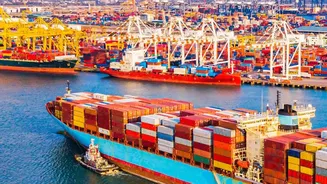
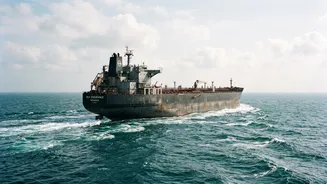
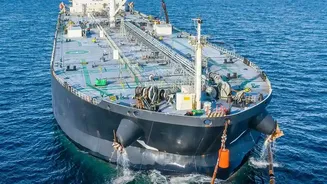
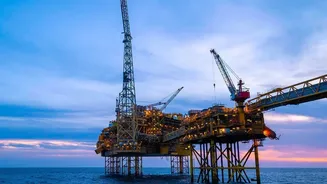
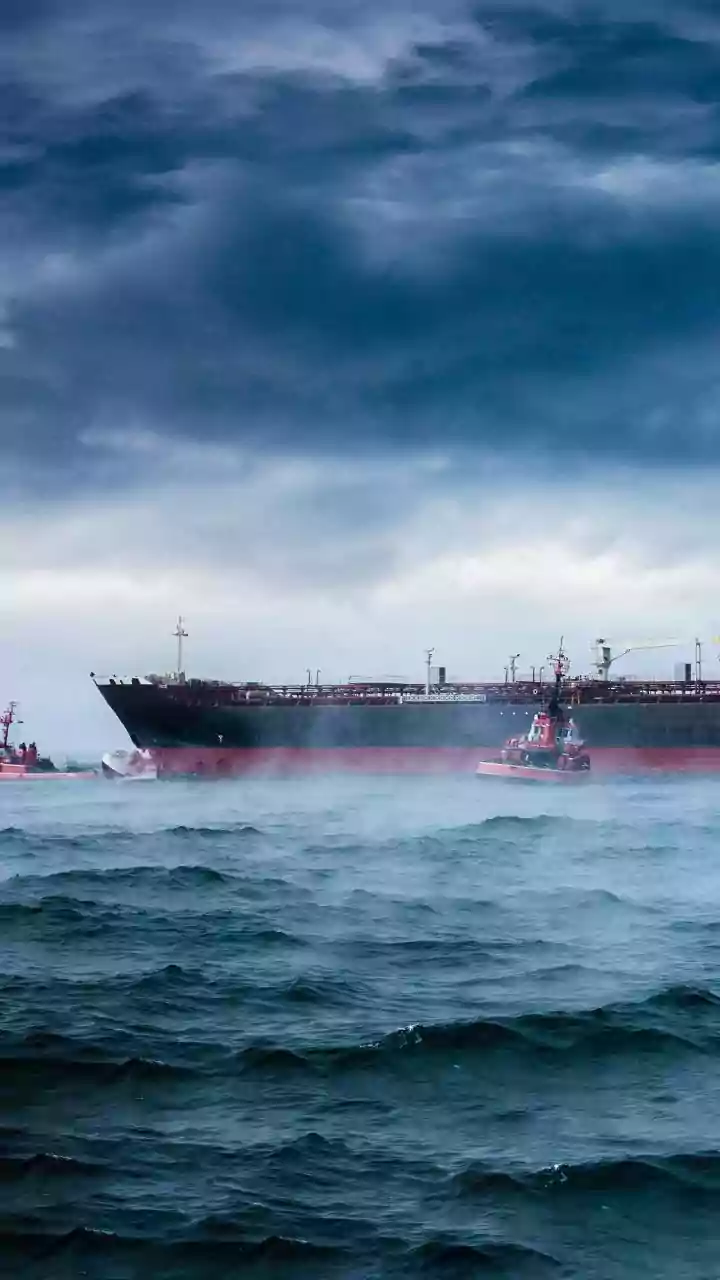
A primary reason for the slow recovery is the severe damage to critical energy infrastructure. The war has impeded trade through the Strait of Hormuz, a vital artery for about 25% of the world's seaborne oil trade and 20% of liquefied natural gas (LNG). Attacks have also damaged key facilities, such as the Ras Laffan complex in Qatar, the world's largest LNG processor. Restoring this export capacity could take up to five years. This physical damage requires immense capital and time to repair, delaying any return to normalcy long after the fighting stops. The cumulative loss of LNG supply between 2026 and 2030 could be substantial, with effects felt most acutely through 2027.
Investment Shaken and Rerouted
The instability has created a chilling effect on long-term energy investments. The IEA notes that market volatility and heightened geopolitical risk slow down investment decisions and drive up financing costs, especially in developing economies. Rather than simply rebuilding what was lost, countries and companies are now forced to diversify their trade routes and energy sources. This has triggered what Birol calls a 'strong comeback' for nuclear energy, with a four-decade high of 90 gigawatts of capacity currently under construction globally. While positive for diversification, building new pipelines, LNG terminals, and power plants is a multi-year endeavour that cannot solve the immediate supply crunch.
An Accelerated but Bumpy Transition
The crisis has undeniably accelerated the shift toward alternative energy sources. The IEA reports a significant increase in the adoption of solar power, electric vehicles (EVs), and energy efficiency measures as a direct response to high fossil fuel prices. Global EV sales outside of China, for instance, have surged 60% above previous forecasts since the conflict began. However, this transition brings its own challenges. The IEA warns of a dangerous concentration in clean energy supply chains, with a few countries dominating the production of solar panels, wind turbines, and batteries. This creates new vulnerabilities, especially for the rapidly growing economies in Southeast Asia and beyond.
The Ripple Effect on India
For a major energy importer like India, these global dynamics have direct and significant consequences. Persistently high oil prices, which have flirted with $120 a barrel, place immense pressure on the nation's trade deficit and contribute to domestic inflation. The scarcity of refined products like diesel, a workhorse of the Indian economy powering transport and agriculture, is a particular concern. While India has navigated the crisis through diversified sourcing, the IEA's long term outlook suggests that the era of volatile and expensive energy is not over. Ensuring national energy security will require a continued focus on building strategic reserves, boosting domestic production, and accelerating its own renewable energy and energy efficiency programs.