







The Ultimate Cinematic Mission
Since its release, Christopher Nolan’s The Odyssey has captivated audiences and critics, earning a staggering $264 million in its opening weekend alone. The film, an adaptation of Homer's ancient Greek epic starring Matt Damon, is being hailed as a monumental
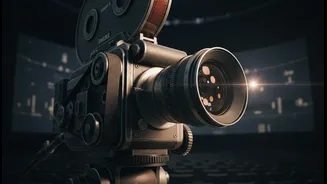
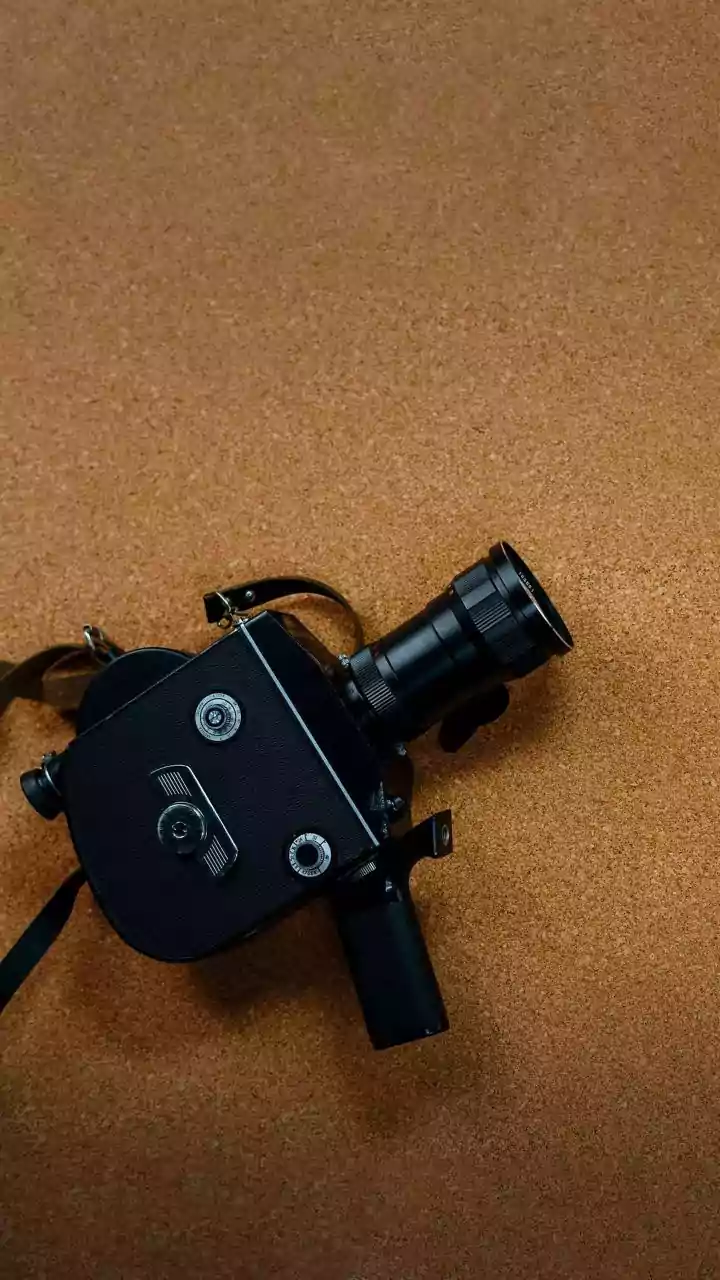
cinematic achievement. But the real story for cinephiles isn't just what’s on screen, but how it gets there. The Odyssey is the first feature film in history to be shot entirely using IMAX 15/70mm film cameras. This is Nolan's preferred format, one he has championed for its unparalleled image resolution, vibrant colour, and immersive quality. He argues it is the gold standard for filmmaking, creating a visual experience so detailed and vast that it simply cannot be replicated by digital projectors or standard formats. For Nolan, film isn’t just a medium; it's a declaration of artistic intent, and The Odyssey is his most definitive statement yet.
An Uncompromising Vision
Nolan’s insistence on using analog film, particularly the cumbersome and expensive IMAX 70mm format, is nothing new. He has been a vocal advocate for the preservation of film projection in an industry dominated by digital convenience. With past films like Oppenheimer, Dunkirk, and Interstellar, he used IMAX cameras for key sequences, creating awe-inspiring moments that became a signature part of his filmmaking. With The Odyssey, he has taken this philosophy to its absolute limit. His demands on studios are legendary, often including specifications on theatrical windows and marketing budgets to ensure his films are presented as major cultural events. This purist approach is born from a belief that the theatrical experience matters profoundly. For him, the grain of the film and the mechanical whir of a projector are not flaws but features that enhance the magic of cinema, connecting audiences to a century of storytelling tradition.
A Scarcity of Spectacle
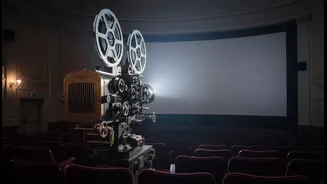
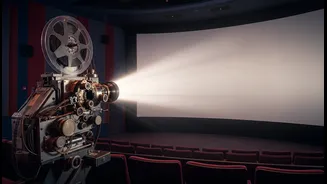
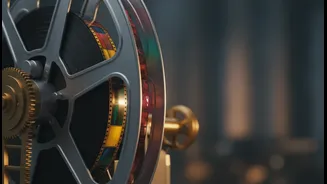
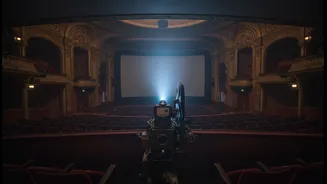
The direct consequence of Nolan’s rigid standard is extreme scarcity. While thousands of cinemas are showing The Odyssey, only about 41 venues across the entire globe are equipped to project the authentic IMAX 70mm version. For Indian fans, this number is effectively zero, with no theatres in the country possessing the required equipment. The reason for this rarity is logistical and historical. IMAX stopped manufacturing 15/70mm film projectors decades ago, and the few that remain are complex, expensive antiques. The film prints themselves are colossal; The Odyssey's reel weighs over 270 kg and requires expert projectionists, a profession that has become a lost art. This scarcity has created a frenzy, with tickets for the 41 select cinemas selling out for weeks, prompting 2 a.m. screenings and fans travelling internationally for a single showing.
The Best vs. The Rest
This raises a crucial question for the average moviegoer: does it really matter? While the ideal experience is confined to a few, The Odyssey still launched on over 26,000 screens globally, shattering box office expectations. The vast majority of viewers are watching it in digital IMAX, standard 70mm, or regular digital formats. These versions are meticulously prepared and still offer a spectacular experience. The debate lies at the heart of modern film consumption. Is Nolan's purism a noble artistic stand or a form of gatekeeping that implies other formats are inferior? While cinephiles chase the 'perfect' screening, the film’s enormous commercial success proves that the story and spectacle resonate deeply, regardless of the projector. Nolan has successfully created an event, but the core of that event—a gripping story, masterfully told—is accessible to nearly everyone, even if the ultimate version remains a pilgrimage for the dedicated few.