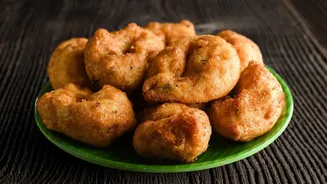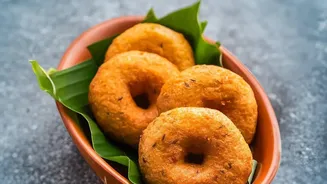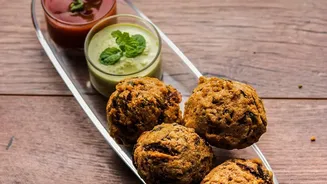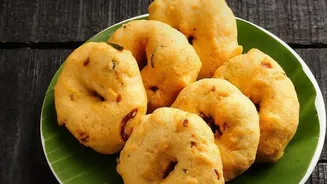




Imagine the morning buzz of an Indian street, filled with the aroma of spices and the sound of sizzling. At the heart of this scene is the vada, a humble lentil fritter that's a cornerstone of the nation's breakfast culture.
What is a Vada?
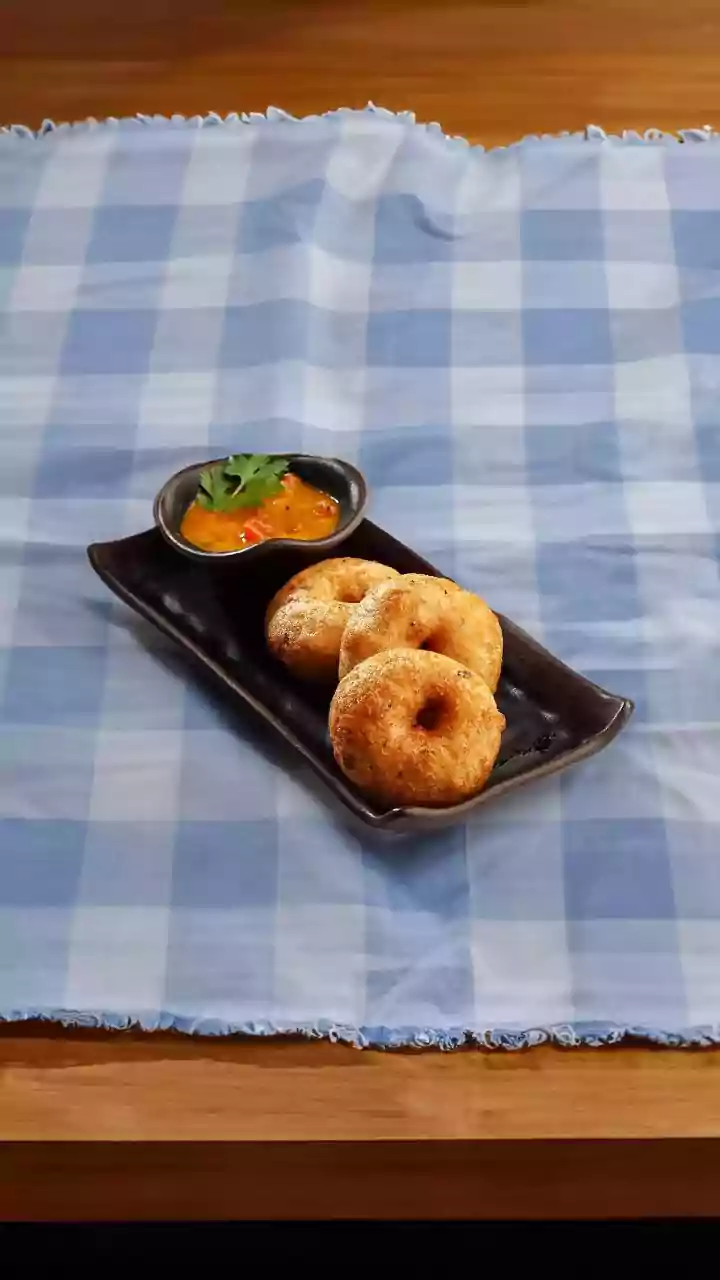
At its core, a vada is a category
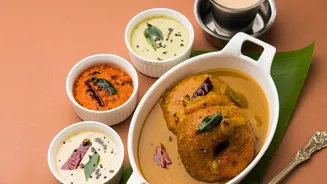
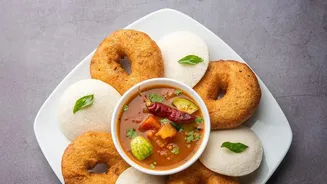
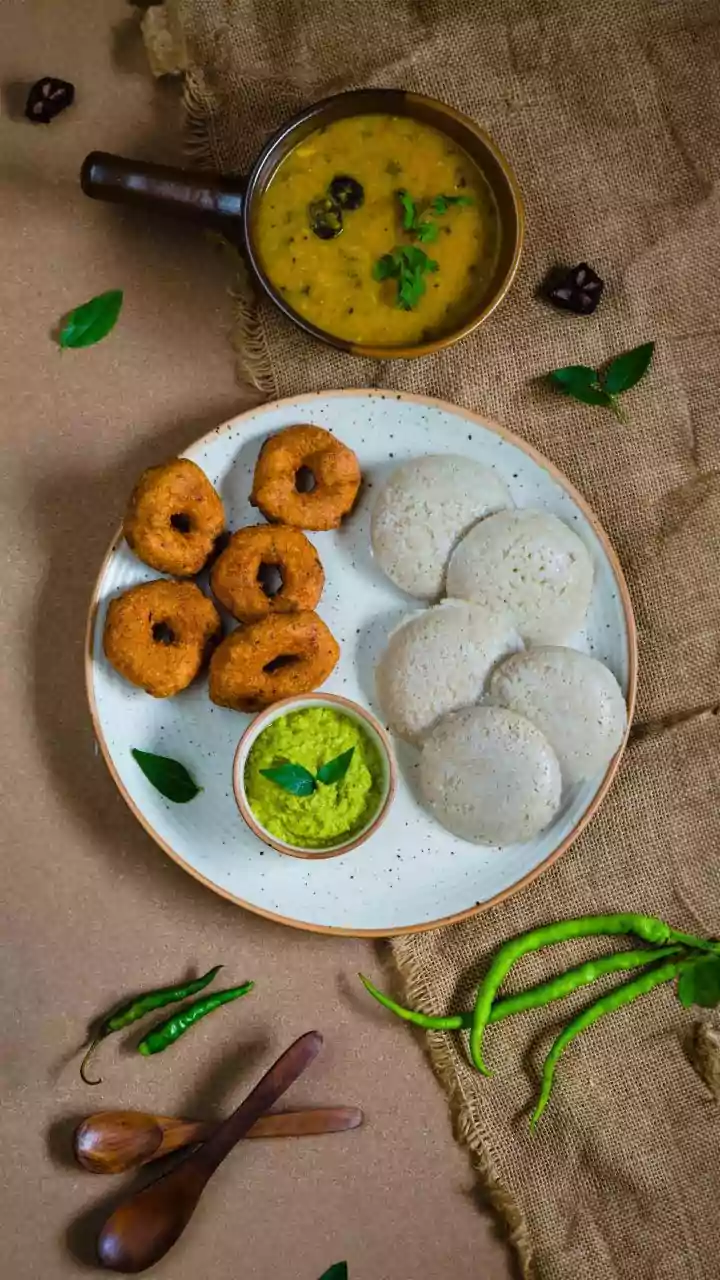
of savoury, deep-fried snacks from India, akin to a fritter or dumpling. While there are countless regional varieties, the most iconic breakfast version, particularly in South India, is the Medu Vada. The name itself gives a clue to its much-loved texture; 'Medu' means soft in Kannada, referring to the light, fluffy interior, while 'Vada' simply means fritter. This popular snack is doughnut-shaped, with a satisfyingly crisp, golden-brown exterior that gives way to a soft, airy inside. It's a dish with a long history, with mentions of early versions appearing in ancient texts dating back to between 100 BCE and 300 CE.
The Soul of the Vada: Lentils and Spices
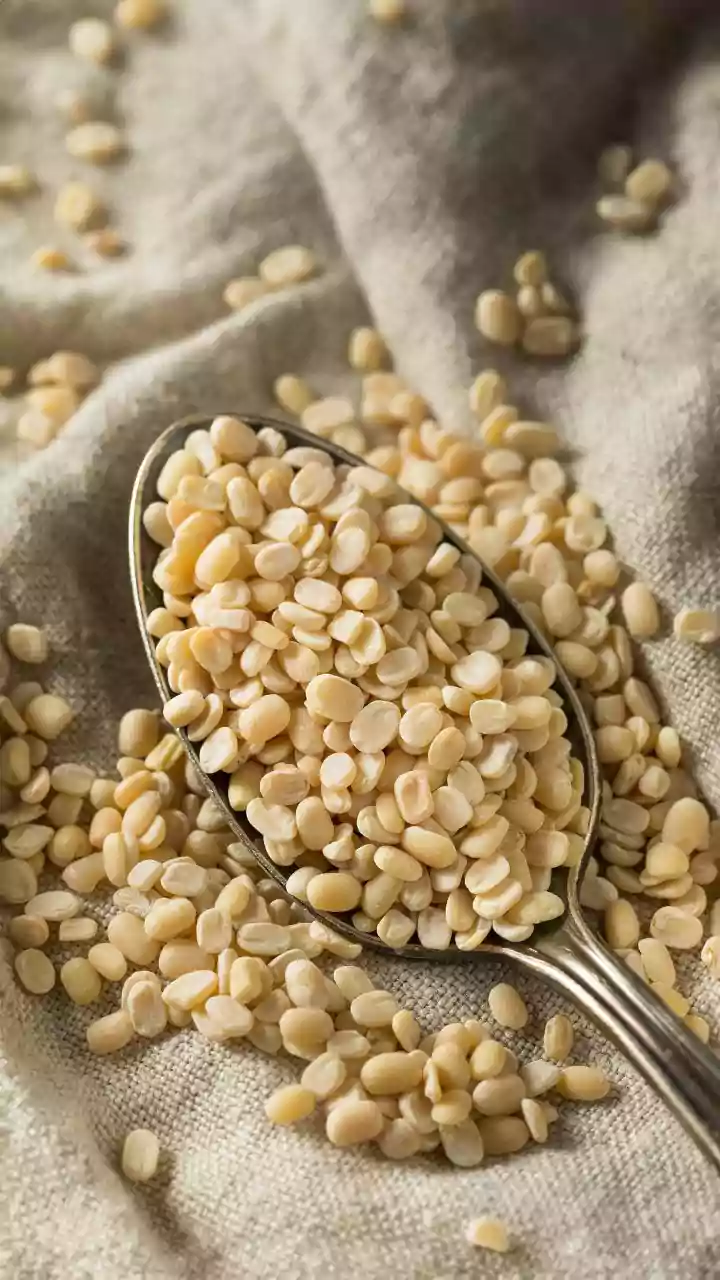
The magic of Medu Vada begins with one key ingredient: urad dal, or split black gram lentils. The lentils are soaked for several hours, then carefully ground into a thick, smooth paste. A crucial step is incorporating as little water as possible and whisking the batter to aerate it; this is what creates the signature fluffy texture. To this base, a medley of flavouring agents is added. Common additions include finely chopped green chillies, slivers of ginger, pungent asafoetida, curry leaves, and whole black peppercorns, which add pops of warmth and spice. This seasoned batter is then ready for its transformation in hot oil.
A Family of Fritters
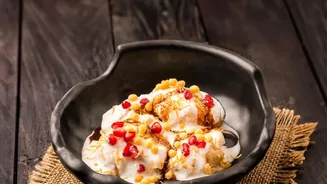
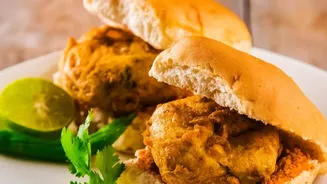
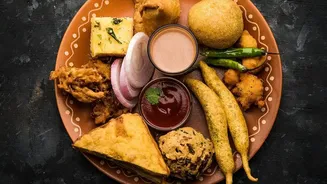
While Medu Vada is a breakfast king, it's just one member of a large and diverse family. Another popular variant is Masala Vada, also known as Parippu Vada in Kerala. Unlike the smooth batter of its counterpart, Masala Vada is made from a coarser grind of chana dal (split chickpeas) and other lentils, giving it a distinctly nutty and crunchy texture. Then there is the Batata Vada from Maharashtra, a spiced mashed potato ball coated in chickpea flour batter, which is famously served in a bread roll to create Vada Pav. From the sweet Vella Vadai made with jaggery to the Bengali Kacha Posto Boda made with poppy seeds, each region of India has its own unique spin on this beloved snack.
The Perfect Pairings: Sambar and Chutney
A vada is rarely served alone; its companions are just as important to the experience. The most traditional breakfast pairing involves dunking the hot vadas into a bowl of sambar. Sambar is a flavourful and hearty lentil-based stew, simmered with mixed vegetables, tamarind for a sour tang, and a special blend of aromatic spices known as sambar powder. Alongside the sambar, you'll almost always find coconut chutney. This classic condiment is made by blending fresh grated coconut with green chillies, ginger, and sometimes roasted chana dal for body. The cool, creamy chutney provides a perfect contrast to the hot, spicy sambar and the crispy vada, creating a harmonious balance of flavours and textures.
More Than Just a Snack
For millions, the vada is a protein-packed and satisfying way to start the day. It's a go-to option for people on the move, readily available at countless street stalls and 'tiffin centers' across South India. The combination of vada and sambar is not just a dish but a cultural institution, a comforting ritual that brings together taste, tradition, and nutrition. It's a plant-based meal that is both filling and deeply flavourful, offering sustained energy for the morning ahead. So whether you find it in a bustling Mumbai train station or a quiet cafe in Chennai, the humble vada offers a delicious window into India's rich culinary soul.