






Recognising the Signs of Burnout
Work-related burnout is a state of chronic stress that leads to physical and emotional exhaustion, cynicism, and a sense of reduced professional accomplishment. It's more than just a bad week; it's a persistent feeling of being drained, detached from
your job, and questioning the value of your work. This condition, now recognised by the World Health Organization as an occupational phenomenon, can impact everything from your productivity to your physical health, causing issues like insomnia, headaches, and a weakened immune system. Acknowledging these signs is the first step toward recovery.
The Indoor Sanctuary: Calming the Nervous System with Breath
When external pressures feel overwhelming, the solution can be as simple as your own breath. Pranayama, the ancient yogic practice of breath regulation, is a powerful tool for managing stress. Specific techniques actively calm your nervous system by shifting it from the 'fight-or-flight' response to a 'rest-and-digest' state. This conscious breathing helps lower your heart rate, reduce blood pressure, and decrease levels of the stress hormone cortisol. By focusing on the rhythm of your inhales and exhales, you bring your awareness to the present moment, creating a sense of mindfulness that quiets anxious thoughts.
A Simple Breathwork Exercise to Start
One of the most accessible pranayama techniques is Nadi Shodhana, or Alternate Nostril Breathing. Sit comfortably and close your right nostril with your thumb, inhaling slowly through your left. Then, close your left nostril with your ring finger, release your thumb, and exhale through your right. Inhale through the right, close it, and exhale through the left. Continuing this cycle for just a few minutes can help balance the body's energy channels and promote a profound sense of calm. Studies have shown that even short, regular sessions of pranayama can significantly reduce perceived stress.
The Outdoor Escape: Healing with Nature
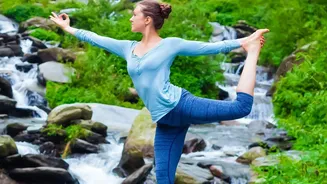
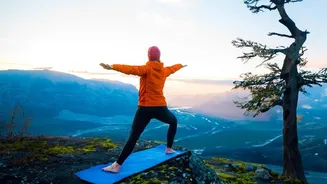
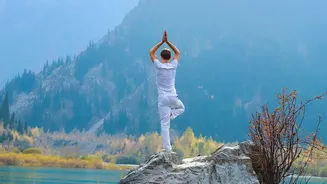
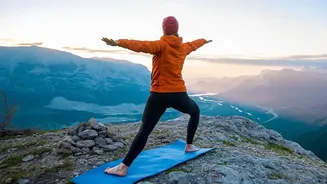
Just as breathwork helps regulate your internal environment, outdoor nature treks work to restore your connection to the world around you. This practice, sometimes called ecotherapy, has proven benefits for mental health. Spending time in natural settings, whether it's a forest, park, or by the water, lowers stress and can improve your mood within minutes. The sights and sounds of nature—from birdsong to rustling leaves—help reduce mental fatigue and anxiety. Furthermore, exposure to sunlight boosts the production of vitamin D and serotonin, which helps elevate your mood and energy levels naturally.
Making Your Nature Trek Effective
The key to a restorative nature trek is mindfulness. It’s about more than just physical exercise; it's about being present in your surroundings. Try to leave your phone behind or put it on silent to avoid distractions. Engage your senses: notice the different shades of green, feel the texture of a leaf, listen to the sounds around you, and smell the earthy scent of the soil. Research shows that just 20 minutes spent in a natural space can significantly lower cortisol levels, making it a highly efficient way to de-stress. The goal isn't to conquer a mountain, but to let the natural world ground you.
A Powerful Partnership for Wellbeing
Combining indoor breathwork with outdoor treks creates a holistic approach to combating burnout. Pranayama provides you with an immediate, portable tool to manage acute stress wherever you are. It teaches you to regulate your internal response to external pressures. Nature treks offer a broader form of release, helping you disconnect from work, gain perspective, and recharge your mental and emotional batteries. The indoor practice builds resilience from the inside out, while the outdoor practice reminds you of a world beyond your daily stressors. Together, they create a sustainable routine for maintaining balance and preventing burnout from taking hold.