





A Canvas of Shifting Blues
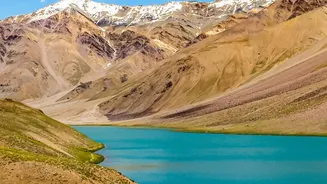
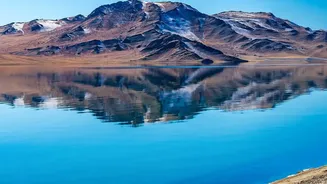
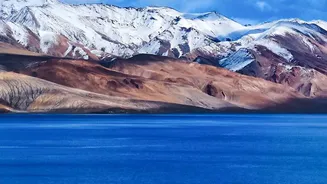
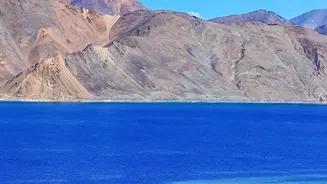
Perched at an astonishing altitude of over 4,500 metres (around 14,836 feet) in Ladakh's remote Changthang region, Tso Moriri is the largest high-altitude lake entirely within Indian territory. Its name translates to "Mountain Lake," a fitting description
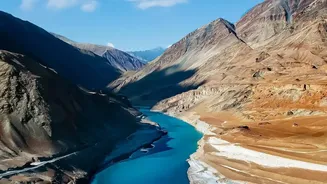
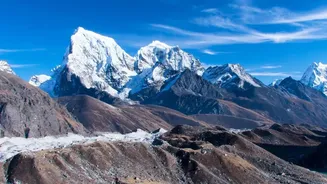
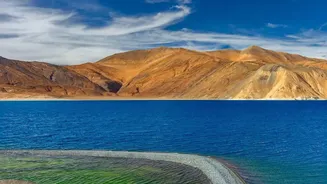
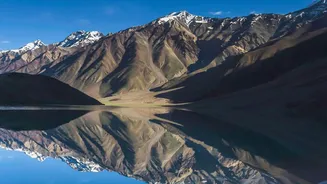
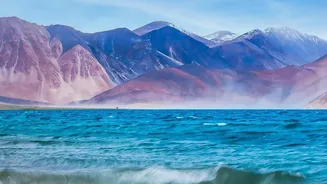
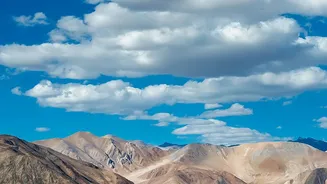
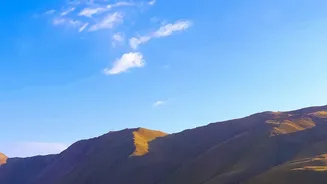
for a body of water fed by glacial streams and enclosed by peaks that soar above 6,000 metres. What truly defines the experience of seeing Tso Moriri is its mesmerising, ever-changing palette. The lake's surface shifts from deep blue to turquoise and green, mirroring the sky and clouds, creating a dynamic spectacle of light and colour that feels almost surreal. Unlike its more famous counterpart, Pangong Tso, Tso Moriri is significantly less crowded, offering a more serene and introspective experience.
A Protected High-Altitude Ecosystem
Tso Moriri is more than just a pretty sight; it is a vital ecosystem. Recognised as a Ramsar site, it is a wetland of international importance, a designation that underscores its ecological value. This protection means that activities like camping directly on the lake's banks are prohibited, helping to preserve its pristine condition. The lake is endorheic, meaning it has no outlet, and its water, fed by snowmelt, is slightly brackish but supports a unique array of life. This protected status as the Tso Moriri Wetland Conservation Reserve ensures that its fragile environment is safeguarded for future generations.
A Haven for Rare Wildlife
The seemingly barren landscape surrounding Tso Moriri is teeming with life. The area is a paradise for wildlife enthusiasts and birdwatchers. It is one of the few breeding grounds in India for the bar-headed goose, a bird known for flying at extreme altitudes over the Himalayas. Even more significantly, it is a crucial nesting site for the endangered black-necked crane, a rare and graceful bird that is a highlight for many visitors. Beyond the birdlife, the surrounding plateau is home to mammals like the kiang (Tibetan wild ass), Himalayan marmots, blue sheep (bharal), and if you're exceptionally lucky, the elusive snow leopard.
Life on the Edge: Korzok and the Changpa Nomads
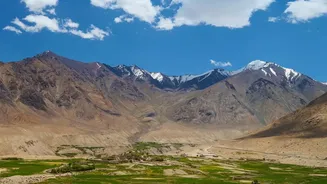
On the lake's northwestern shore lies Korzok, one of the highest permanent settlements in the world. This small village, with its 300-year-old monastery overlooking the vast blue expanse, offers a fascinating glimpse into life at high altitude. The region is the traditional home of the Changpa nomads, a semi-nomadic community of Tibetan origin who have traversed these plateaus for centuries. These hardy pastoralists raise yaks and the famed Pashmina goats, whose fine undercoat is the source of luxurious cashmere wool. Visitors staying in Korzok's homestays or guesthouses can experience the warm hospitality of the local people and learn about a way of life that exists in deep harmony with the harsh but beautiful environment.
Visiting with Respect
A trip to Tso Moriri requires planning. The journey from Leh takes about six to eight hours through a stunning, remote landscape. The best time to visit is during the summer months, from May to September, when the weather is pleasant and the roads are accessible. Due to the extreme altitude, proper acclimatisation in Leh for a few days is absolutely essential to avoid altitude sickness. All visitors, including Indian nationals, require an Inner Line Permit to access the region, which can be obtained in Leh. Given its ecological sensitivity, it's crucial for travellers to be responsible—carry out all waste, respect the wildlife, and support the local community through homestays and purchasing local crafts.