





The Indian Space Research Organisation (ISRO) is gearing up for a remarkably busy period, with its 2026-27 calendar packed with high-stakes missions that are crucial for India's future in space exploration, science, and commerce.
An Ambitious Launch Cadence
After a period of steady
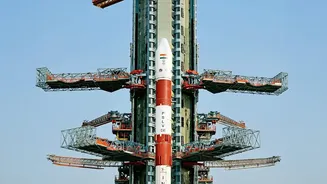
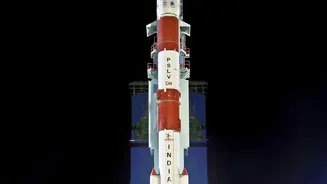
progress, ISRO is reportedly accelerating its launch frequency, with some reports indicating as many as 27 missions planned for the 2026-27 financial year. This ambitious schedule is designed to clear a backlog of launches and push forward on multiple fronts simultaneously. The missions span a wide range, from human spaceflight and planetary exploration to Earth observation, communication, and commercial satellite deployments using its workhorse rockets like the PSLV and the newer, smaller SSLV. This packed calendar signals ISRO's operational maturity and its intent to solidify India's position as a major player in the global space sector.
Gaganyaan: The Human Spaceflight Push
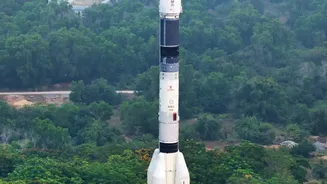
The centerpiece of ISRO's upcoming calendar is the Gaganyaan programme, India’s quest to send its own astronauts into orbit. The 2026-27 window is critical for this effort. The first uncrewed orbital test flight, Gaganyaan-1 (G1), is targeted for late 2026. This mission will see the full system—the human-rated LVM3 rocket and the crew module—fly to orbit with the humanoid robot Vyommitra on board to validate all systems. Following G1, at least one more uncrewed test flight, G2, is planned for 2027. These rehearsals are vital for testing the crew escape system, life support, re-entry, and recovery procedures before the first crewed flight, Gaganyaan-3 (H1), which is provisionally targeted for 2027, contingent on the success of the uncrewed tests. Four Indian Air Force pilots have been selected as the first gaganyatris, marking a major milestone for the nation.
Exploring Other Worlds: Venus and Mars
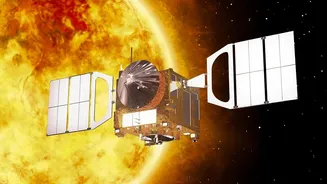
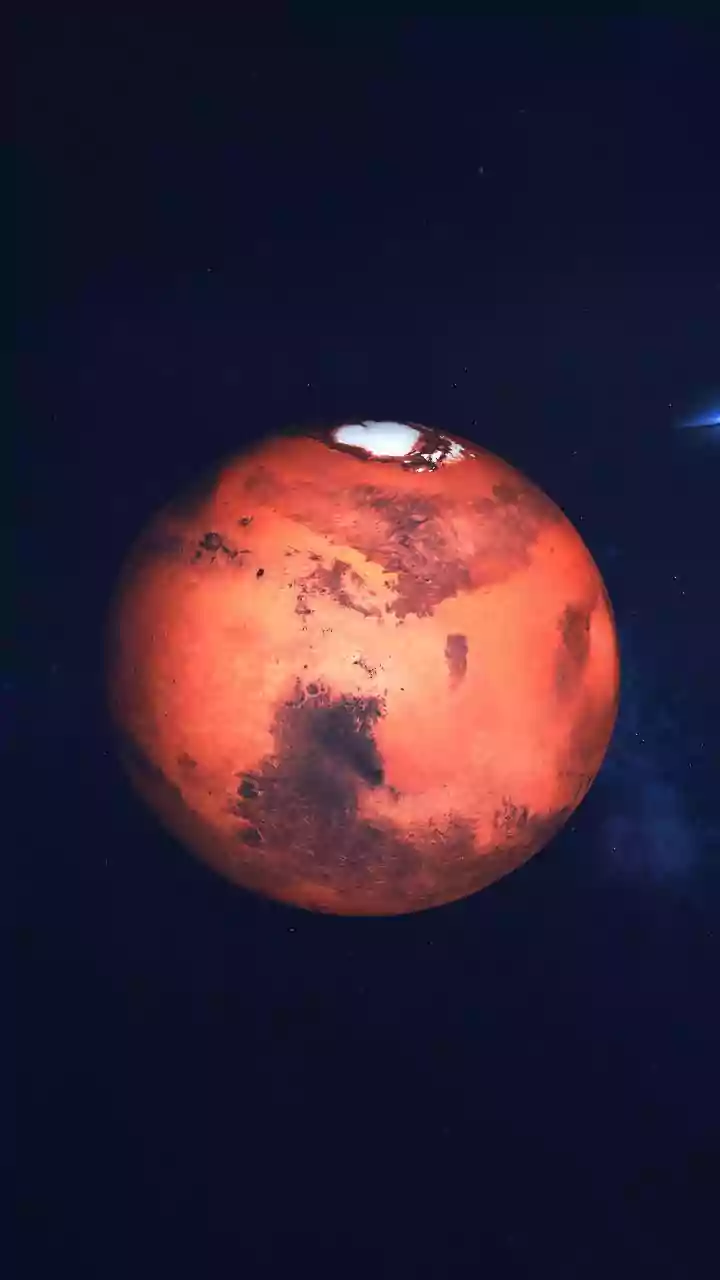
While Gaganyaan is a top priority, ISRO is also looking further into the solar system. The Shukrayaan-1 mission, an orbiter to study Venus, has been in development for years. Although it has faced postponements, backup launch windows have been identified for 2026 and 2028. The mission aims to investigate the Venusian surface and atmosphere, studying its mysterious geology from beneath its thick cloud cover. Meanwhile, plans for a follow-up to the highly successful Mars Orbiter Mission are also taking shape. Mangalyaan-2 is envisioned as a more complex mission that could include a lander, with a launch tentatively planned for the 2028-2030 timeframe. Though likely to fall just outside the 2027 window, the foundational work and technology development for these interplanetary missions are key activities for ISRO during this period.
Earth Observation and Technology Demonstrators
Beyond the headline-grabbing deep space missions, the 2026–27 calendar is filled with essential satellite launches. These include several Earth observation satellites (EOS) and navigation satellites (NVS) that provide critical data for weather forecasting, disaster management, agriculture, and national security. For instance, missions like EOS–10 (Oceansat–3A) are slated for early 2027. The calendar also includes technology demonstration missions. Building on the success of the SPADEX (Space Docking Experiment) in early 2025, which made India the fourth country to master orbital docking, ISRO plans to further develop these capabilities, which are crucial for building the planned Bharatiya Antariksh Station (Indian Space Station) by 2035.