






A New Name for a New Era
Audi is navigating a complex transition, and its naming strategy reflects that. After a brief and confusing period where internal combustion models got odd numbers (like the A5 replacing the A4) and EVs got even ones, the company is returning to its roots.
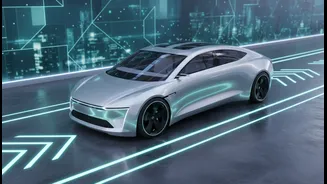
The A4 badge will be revived for a new, all-electric model set to arrive around 2028. This isn't just a name game; it signals a clean break. The upcoming A4 e-tron will be a ground-up electric vehicle with no technical lineage to the current combustion-engine models. It will compete directly with rivals like the BMW i3 and the electric Mercedes-Benz C-Class, marking a pivotal moment for Audi's presence in the premium compact segment.
The Avant-Garde Choice
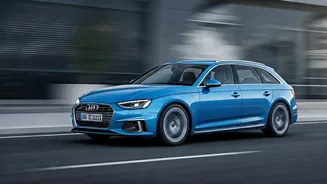
In an automotive world saturated with SUVs, Audi’s commitment to the Avant (its term for a station wagon) is a bold statement. While a sedan version is certain, Audi’s Chief Technical Officer, Rouven Mohr, has emphasized that the Avant is a core part of the brand's DNA and will continue into the electric era. This decision carves out a unique niche. While competitors focus on aerodynamic sedans and bulky SUVs, Audi is betting that a significant slice of the premium EV market still craves the blend of performance, style, and utility that only a wagon can offer. The Avant’s elongated roofline provides superior cargo space without the compromised handling or efficiency of a taller, heavier SUV, making it the perfect one-car solution for many families and enthusiasts.
Advanced Platform, Radical Design
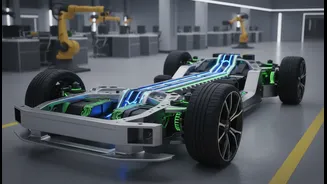
The A4 e-tron will be one of the Audis built on the Volkswagen Group's next-generation Scalable Systems Platform (SSP). This advanced architecture will be a significant leap over current platforms, integrating a new zonal electronics system developed in a joint venture with Rivian. The design will follow Audi's 'Radical Next' philosophy, first seen on concepts like the Concept C, promising a monolithic, streamlined look with slim matrix LED headlights. A major highlight of the new platform is its 800-volt architecture. This technology, co-developed with Porsche, allows for incredibly fast DC charging speeds of up to 270 kW, potentially adding around 250 kilometers of range in just 10 minutes.
Performance, Range, and a Return to Buttons
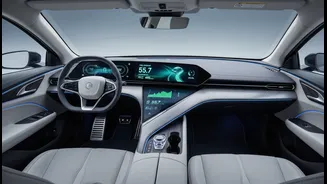
Performance will be a key focus. Base models are expected to be offered in rear-wheel and all-wheel drive configurations, with horsepower figures starting around 400 hp for a 0-100 km/h time under six seconds. A high-performance S4 e-tron variant is also planned, potentially boasting over 510 hp. Thanks to advanced battery chemistry, the A4 e-tron is projected to offer a driving range of between 640 and 800 kilometers on a single charge, depending on the battery size. Inside, Audi is responding to customer feedback. The new A4 e-tron will feature a redesigned interior with higher-quality materials, fewer screens, and a welcome return to more physical buttons and controls, moving away from the often-criticized over-reliance on touchscreens.
The Indian Market Perspective
For the Indian luxury car market, the arrival of the A4 e-tron Avant could be particularly significant. As charging infrastructure improves and a taste for premium EVs grows, a practical and stylish electric wagon offers a compelling alternative to the dominant luxury SUVs. It appeals to a sophisticated buyer who values performance and utility but desires something more distinctive than another crossover. With its expected long range and rapid charging, it would be well-suited for both city commuting and inter-city travel on India's expanding highway network. It will provide a unique proposition against the likes of the BMW i4 and other electric sedans, banking on its added practicality and classic European estate car appeal to win over discerning customers.