








What Exactly Is Breath Journaling?
Breath journaling is a mindfulness practice that merges two powerful techniques: intentional breathing and reflective writing. At its core, it involves paying close attention to your breath and then writing down the thoughts, feelings, and physical sensations
you observe. Unlike a traditional diary where you might recount your day, a breath journal is an in-the-moment snapshot of your inner state. The practice is designed to be simple and accessible, serving as a powerful tool to enhance mental clarity and concentration. By dedicating a few minutes to observing your breath and recording your experience, you create a structured pause in your day, helping to calm a scattered mind and anchor your attention. This combination turns the often abstract concept of mindfulness into a concrete, repeatable action, providing a clear path to follow.
The Connection Between Breathing and Focus
To understand why breath journaling works, it helps to know the science connecting breath and focus. Intentional, slow breathing—especially with a focus on longer exhales—activates the parasympathetic nervous system, our body's natural relaxation response. This process helps lower stress markers, slow a racing heart, and quiet mental 'noise'. Studies have shown that even five minutes of daily structured breathing can significantly improve mood and reduce physiological arousal. When you quiet this internal static, you create the mental space necessary for clearer thinking and sustained focus. Journaling then adds another layer. The act of putting pen to paper forces you to process and articulate your observations, which sharpens your awareness of what’s happening internally—a skill known as interoception. This practice helps you identify patterns in your thoughts and feelings, making you more aware of what specifically distracts you.
Why a Simple Pen and Paper Works Best
While you could use a digital app, the 'paper-based' aspect of this practice is a key part of its effectiveness. Using a physical notebook and pen eliminates the primary source of modern distraction: your screen. There are no notifications to pull you away, no other apps to tempt you, and no blue light to strain your eyes. This deliberately low-tech approach creates a dedicated, sacred space for your practice. The physical act of writing is also a more mindful process than typing. The sensation of the pen moving across the page engages the body and slows you down, deepening the mind-body connection that is central to this exercise. Keeping a simple, portable notebook makes the practice accessible anywhere, from your desk at work to a park bench, without needing to worry about battery life or connectivity.
How to Start Your Breath Journaling Practice
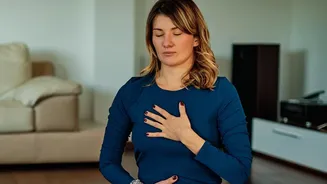
Getting started is straightforward and requires minimal setup. First, find a comfortable, quiet place where you won't be interrupted for five to ten minutes. Sit in a relaxed posture, close your eyes if you feel comfortable, and begin by simply noticing your breath. Spend a few minutes on mindful breathing, focusing on the sensation of the air entering and leaving your body. Don't try to change it; just observe. This initial step calms your mind and prepares you for journaling. After a few minutes of focused breathing, open your notebook. The goal is to write freely and without judgment. Describe your current state. How does your body feel? What is the quality of your breath—is it fast, slow, deep, or shallow? What thoughts or emotions arose while you were focusing on your breath?
Using Prompts to Guide Your Reflection
If you stare at the blank page and feel stuck, prompts are an excellent way to add structure to your writing. They provide a clear starting point and help you delve deeper into your experience. Instead of wondering what to write, you can simply respond to a question. Over time, you may no longer need them, but they are invaluable for beginners. Here are a few simple prompts to get you started: How does my breath feel in my body right now? What thoughts are distracting me at this moment? Where am I holding tension or stress in my body? What am I grateful for in this exact moment? What emotion am I feeling, and where do I feel it? As I exhale, what am I letting go of?