


The Magic of Tadka: Why Hot Oil is Key
At the heart of many Indian dishes is a foundational technique called 'tadka' or 'tempering'. It involves briefly frying spices in hot oil or ghee to unlock their essential oils. Most of the aromatic compounds that give spices like cumin, coriander, and cloves
their distinctive character are fat-soluble, not water-soluble. This means they release their full flavour potential when bloomed in fat, which then acts as a carrier, distributing that complex aroma throughout the entire dish. If you were to drop the same spices into water, their flavour would remain largely trapped inside. The hot oil helps break down the cellular structure of the spices, allowing these aromatic oils to escape and infuse the fat, creating a flavour base that is impossible to achieve otherwise.
The Golden Rule: Whole Spices Go First
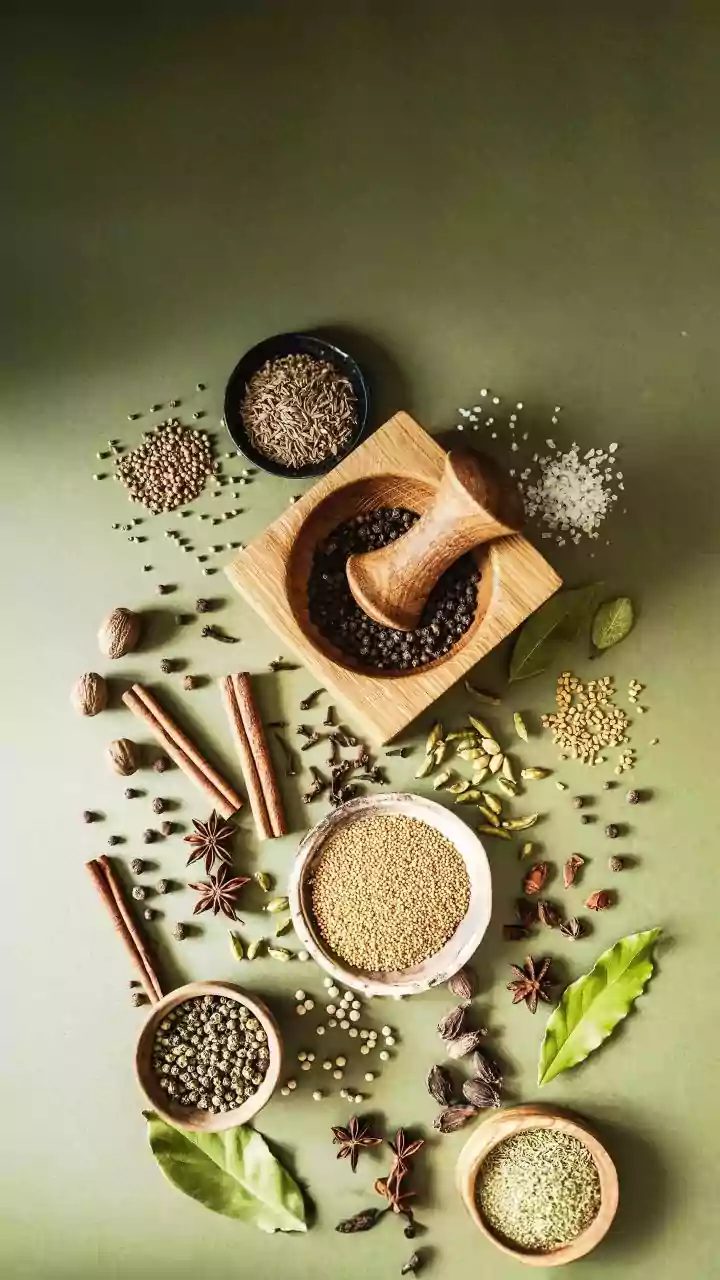
The cardinal rule of tempering is to add spices in the order of how long they take to cook. Whole spices—like cumin seeds, mustard seeds, cinnamon sticks, and cloves—are dense and require more time in the hot oil to crackle and release their flavours. This initial stage is crucial. You are looking for a visual and audible cue: mustard seeds will begin to pop and dance, while cumin seeds will sizzle and darken slightly, becoming intensely fragrant. This process can take anywhere from 30 seconds to a minute. Getting the oil temperature right is critical; if it’s not hot enough, the spices will just soak up oil without blooming, and if it's smoking hot, they will burn almost instantly, lending a bitter, acrid taste to your final dish that cannot be salvaged.
When to Add Powders and Aromatics
Once the whole spices have bloomed, it's time for the next layer. This is typically when aromatics like chopped garlic, ginger, and green chillies are added. These ingredients contain moisture, which immediately lowers the temperature of the oil, preventing the delicate ingredients that follow from burning. After the aromatics have had a minute to soften and release their fragrance, you can introduce your ground spices. Powders like turmeric, red chilli powder, and coriander powder have a much larger surface area and can burn in a matter of seconds. For this reason, they should be added after the heat has been reduced, or even turned off completely. The residual heat of the pan is often enough to toast them perfectly, awakening their earthy notes without scorching them.
The Finishing Touch: Fresh and Delicate Herbs
Fresh herbs are the final flourish, added at the very end of the cooking process. Delicate, soft herbs like coriander and mint leaves have subtle volatile oils that are destroyed by prolonged heat. Adding them too early will cause them to wilt and lose their bright, fresh flavour. Instead, they should be stirred in just a minute or two before taking the dish off the heat, or simply used as a garnish right before serving. The same principle applies to finishing spices like garam masala. This aromatic blend is often added at the end to preserve its complex, fragrant notes, which would otherwise dissipate with long cooking.
Common Tempering Mistakes to Avoid
Perfecting your tadka is a matter of practice, but avoiding a few common pitfalls can make all the difference. The most frequent mistake is getting the oil temperature wrong—either too hot or not hot enough. A good test is to drop a single cumin seed into the oil; if it sizzles right away, you're ready. Another common error is adding all the spices at once. This overcrowds the pan, drops the oil temperature, and leads to uneven cooking. Finally, don't walk away. Tempering is a rapid process that demands your full attention for that crucial minute. Having all your ingredients prepped and ready to go before you even turn on the stove is the secret to a stress-free and flawless tadka.