
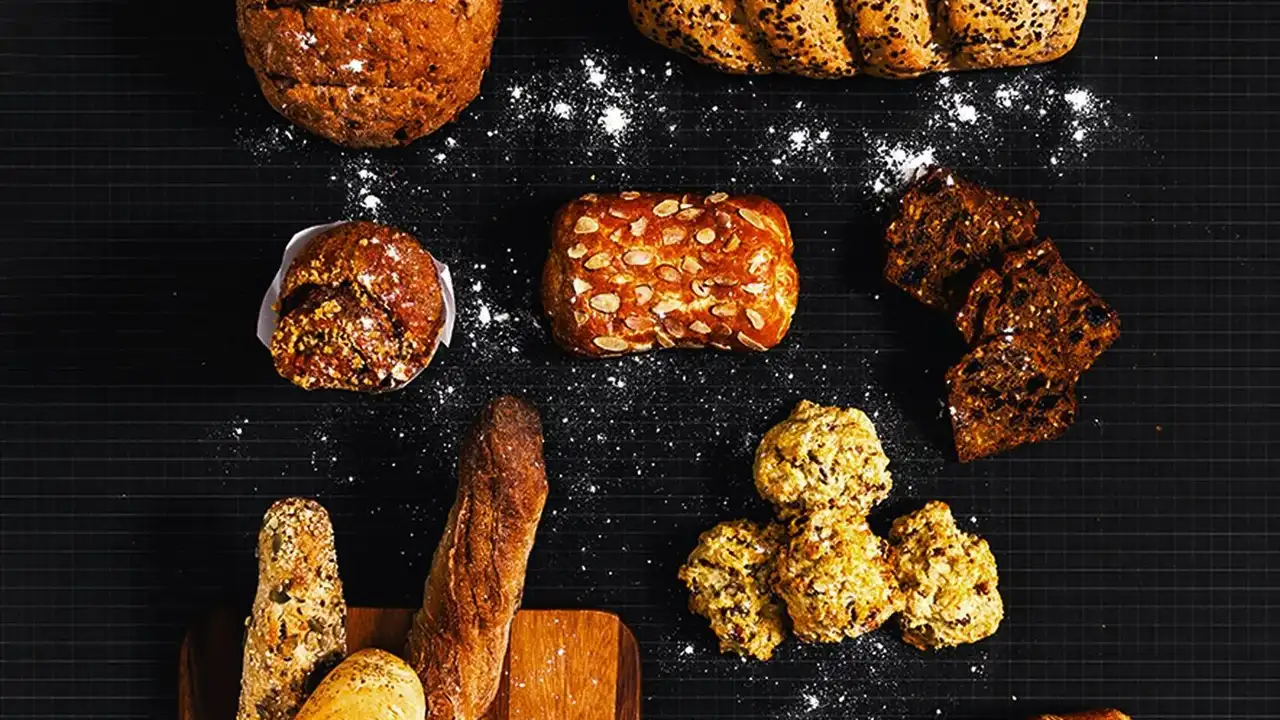
The Loaf Sparking the Debate
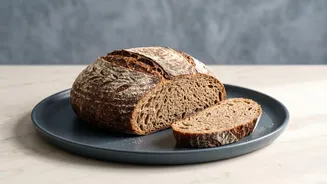
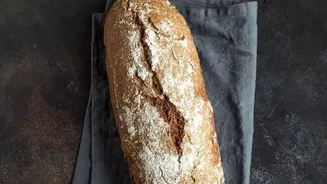
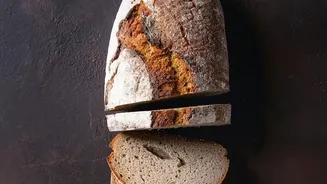
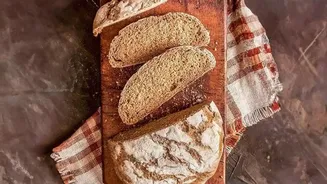
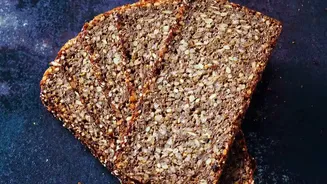
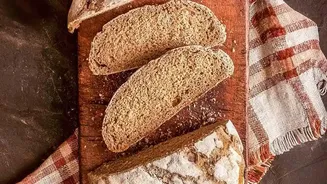
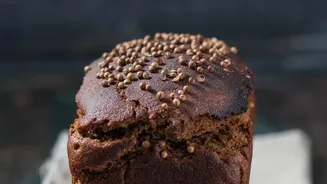
The conversation starts at RYE by Martin Auer, a new Austrian bakery in the heart of SoHo. Here, on a block where retail rent is among the highest in the country, a massive 3.3-pound loaf of 100% rye sourdough has become a viral sensation for its $60
price tag. The bakery is the first U.S. location for the Auer family, who have operated bakeries in Austria for generations and specialize in this traditional style of bread. The New York outpost, however, looks less like a traditional bakery and more like a minimalist luxury boutique, designed to make the bread itself the star of the show. And while the price has drawn both criticism and long lines, it also offers a window into the intersecting worlds of artisanal craft and big-city economics.
Deconstructing the Cost of Craft
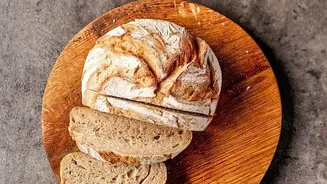
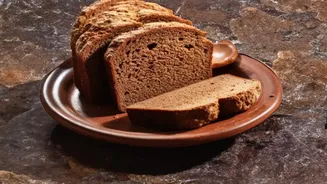
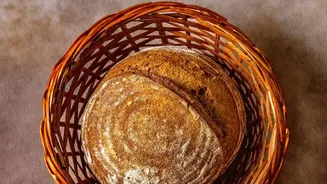
So, what goes into a $60 loaf? According to the bakers, it's far more than just flour and water. The process begins with organic rye flour imported directly from Austria and a 57-year-old family sourdough starter, which requires daily feeding and care. The dough undergoes a long fermentation process, lasting around 24 hours, and every loaf is shaped by hand. This time-intensive method limits production to small batches, meaning the economies of scale that make supermarket bread cheap are entirely absent. The expertise of the baker is another crucial, often overlooked, ingredient. Mastering the behavior of a live sourdough culture and understanding the nuances of rye flour is a skill honed over many years. In essence, the price reflects the labor, the time, and the quality of the raw materials.
The Bakery Balance Sheet
Beyond the ingredients, the final price is a story of location and overhead. Operating a business in SoHo is notoriously expensive, and that cost is inevitably baked into the products. But it’s not just rent; it’s about paying skilled staff a living wage in one of the world's most expensive cities. The owners note that while the full loaf is $60, it's also sold by the quarter for $15 and by the half for $30, which brings the price closer to that of other high-end bakeries when comparing size and weight. As Gadi Peleg, founder of the acclaimed Breads Bakery, pointed out, the huge size of the full loaf makes the headline price more dramatic than a typical purchase might be. The cost reflects the entire ecosystem required to produce that specific loaf, in that specific location.
A Bite of Attainable Luxury
Who is buying a $60 loaf of bread? The phenomenon isn't just about food; it's about the experience and a broader trend toward 'premiumization.' In a world of fast consumption, items that showcase craft, transparency, and high-quality ingredients have become a form of accessible luxury. For many, buying this bread isn't a weekly grocery run; it’s an event. It’s something to be shared with friends, brought to a dinner party like a fine bottle of wine, or simply enjoyed as a special treat. While some critics see it as out of touch, others view it as a status symbol that, unlike a designer handbag or a luxury car, is within occasional reach for more people. It taps into a desire to connect with the story behind our food and to appreciate the skill involved in making even the simplest staples extraordinary.