


The Contenders: A Brief Introduction
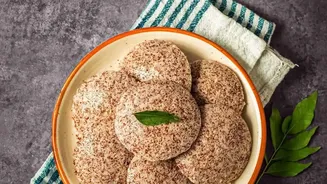
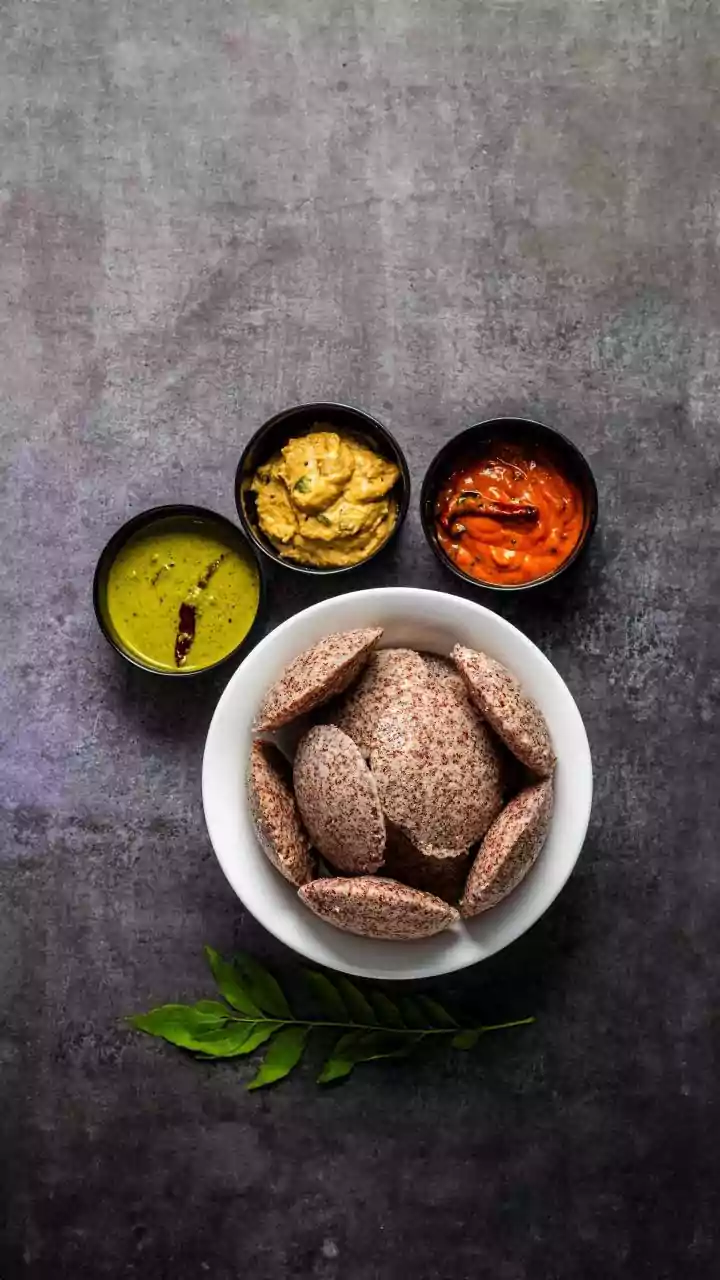
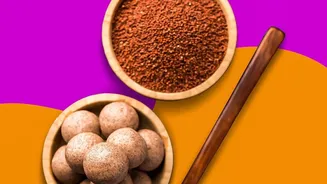
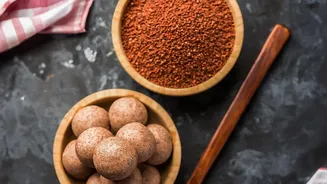
Ragi, also known as finger millet, is an ancient grain that has been a staple in Indian and African diets for centuries. It's a hardy crop celebrated for its impressive nutrient density and ability to thrive in local conditions. On the other side, we
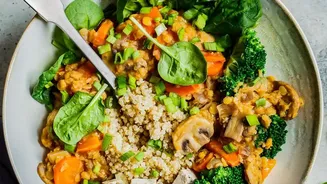
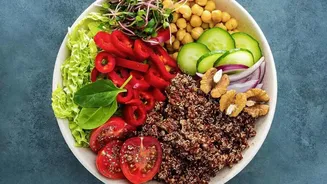
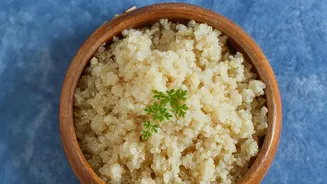
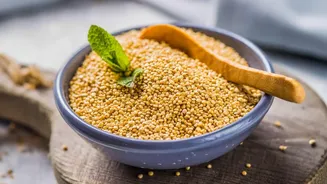
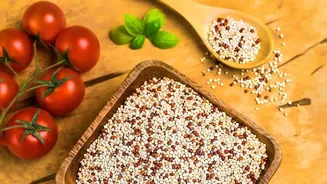
have quinoa, a seed from South America that has gained worldwide popularity for its unique protein profile. It's often mistaken for a grain due to its culinary uses and has become a go-to for health-conscious consumers globally.
Protein: Quinoa's Big Win
When it comes to protein, quinoa takes a clear lead. A 100-gram serving of uncooked quinoa contains about 14 grams of protein, whereas the same amount of ragi offers around 7-8 grams. More importantly, quinoa is a 'complete protein', meaning it contains all nine essential amino acids that the body cannot produce on its own. Ragi, while still a good source of protein, is not complete. However, in the context of a typical Indian meal where grains are paired with dals or curd, this difference becomes less critical as the combination often creates a complete amino acid profile.
Calcium: Ragi Reigns Supreme
If bone health is your priority, ragi is the undisputed champion. It is one of the best plant-based sources of calcium, providing a massive 344mg per 100 grams. In comparison, quinoa offers around 47mg for the same serving size. This makes ragi an exceptional food for growing children, post-menopausal women, and anyone looking to prevent osteoporosis and fortify their bone density.
Fibre and Weight Management
Both grains are excellent sources of dietary fibre, which is crucial for digestive health, feeling full, and managing weight. Ragi has a slight edge, containing about 11 grams of fibre per 100 grams, compared to quinoa's 7 grams. The high fibre content in both helps slow down digestion, which can prevent overeating and support weight loss efforts. They also both have a relatively low glycemic index, which helps in preventing sudden spikes in blood sugar, making them suitable for people managing diabetes.
Micronutrients, Cost, and Versatility
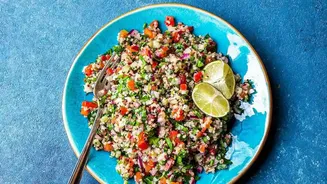
Beyond the major nutrients, the comparison continues. Quinoa tends to be richer in iron, magnesium, and folate, a vitamin particularly important during pregnancy. Ragi, on the other hand, is a powerhouse of calcium and also provides a good amount of iron. From a practical standpoint, ragi is significantly more affordable and widely available in India, deeply integrated into traditional cuisine in the form of rotis, dosas, and porridge. Quinoa, being mostly imported, is more expensive and might be unfamiliar to the Indian palate, though it is versatile in salads and grain bowls.