


A quiet hero of the Indian pantry, urad dal is more than just an ingredient; it’s a foundation. While many know it as the base for creamy dal makhani, its true potential unfolds in a stunning variety of dishes, from breakfast to dinner.
The Soulful, Creamy Dal
The most iconic
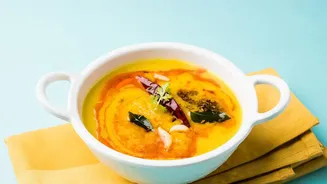
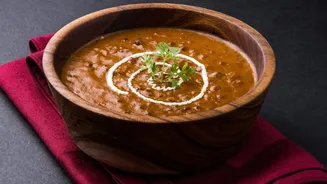
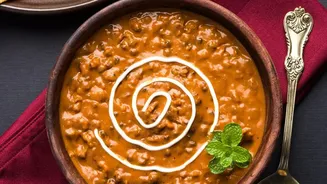
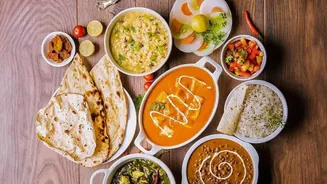
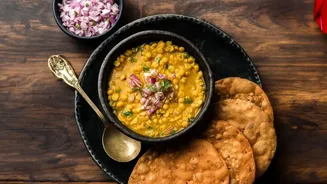
use of whole black urad dal is undoubtedly Dal Makhani. This North Indian classic is a testament to slow cooking, where the lentils are simmered for hours with kidney beans (rajma), butter, and cream until they become velvety and deeply flavourful. The traditional method involves cooking the dal over the dying embers of a tandoor overnight, which gives it a unique creamy texture. For a simpler, everyday version, split white urad dal can be transformed into a comforting 'Safed Dal' or 'Dhuli Urad Dal'. Typically prepared in a pressure cooker, this version is lighter and comes together much faster. A final tempering (tadka) of ghee, cumin seeds, asafoetida (hing), and dried red chillies is poured over the cooked dal, infusing it with an irresistible aroma.
The Magic of Fermented Batter
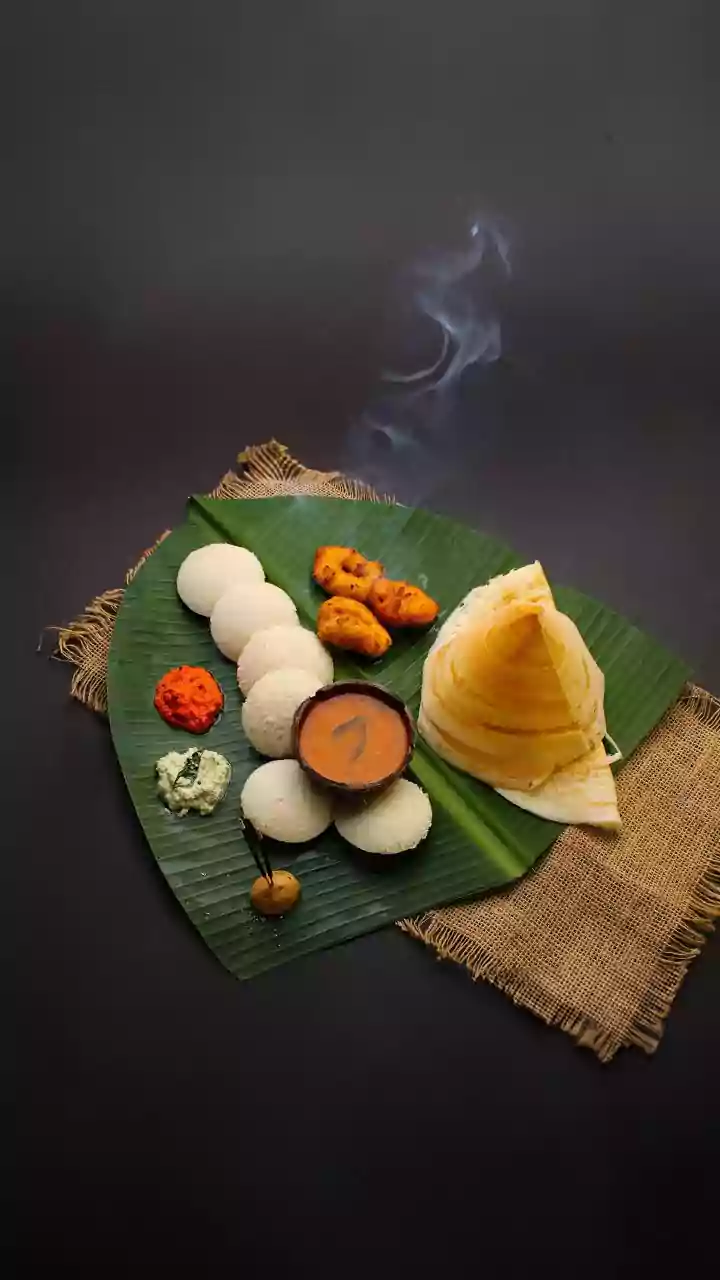
In South India, urad dal is the secret behind the light, fluffy texture of idlis and the crispiness of dosas. When soaked and ground into a fine, airy batter—often with rice—urad dal works its magic through fermentation. The quality of the urad dal is crucial; a good dal will yield a batter that doubles in volume, creating pillowy idlis. This fermented batter is a cornerstone of South Indian breakfast, providing a nutritious and easily digestible start to the day. The process is simple: soak rice and urad dal (sometimes with a few fenugreek seeds to aid fermentation), grind them into a smooth paste, mix, and let it ferment overnight. The same batter can be thinned slightly with water to create perfectly crisp dosas.
Crispy, Crunchy, Golden Snacks
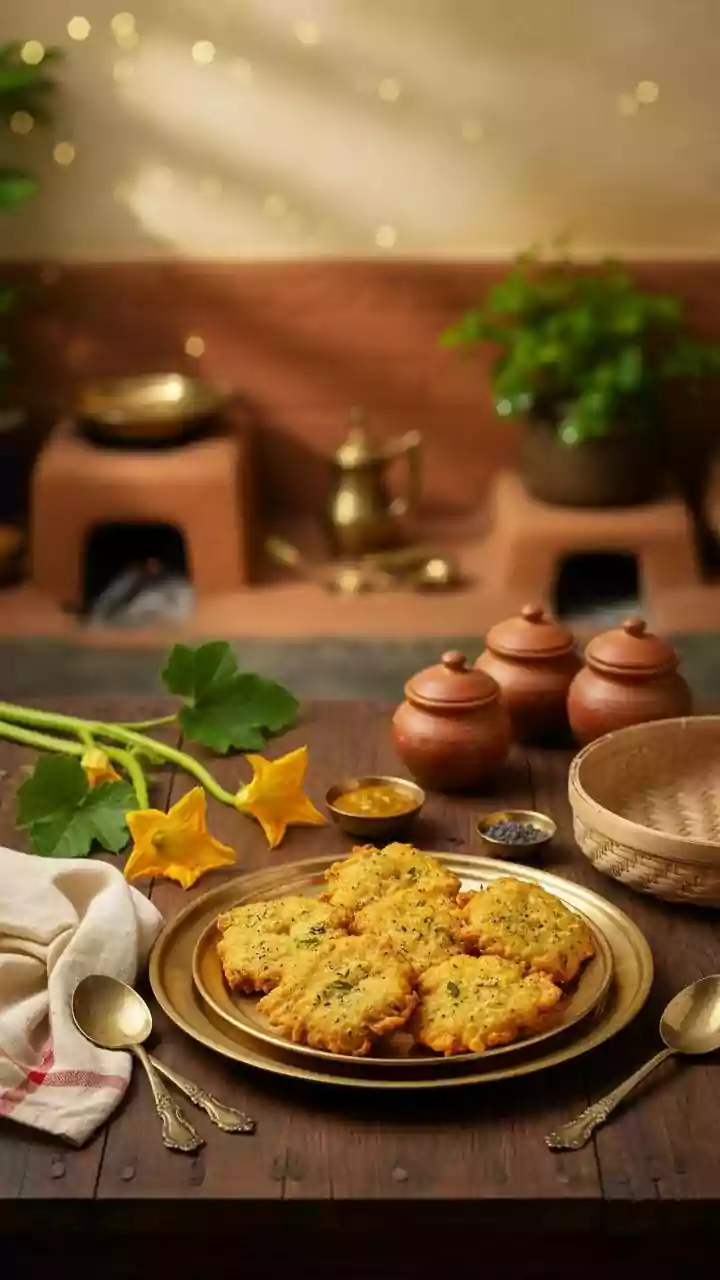
When you crave something crunchy, urad dal delivers in spectacular fashion. The most famous example is Medu Vada, a savoury doughnut-shaped fritter that's crispy on the outside and soft on the inside. To make these, soaked urad dal is ground into a thick, fluffy batter with minimal water, seasoned with ginger, green chillies, and black pepper, and then deep-fried to golden perfection. For an equally delightful treat, this same vada can be soaked in spiced yoghurt to create Dahi Vada, a refreshing and popular chaat dish. Beyond vadas, urad dal is also used to make crispy snacks like Murukku and Urad Dal Kachori, a North Indian specialty with a spiced lentil filling.
Beyond the Usual Suspects
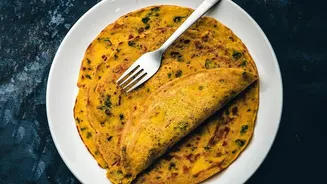
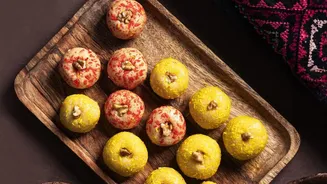
Urad dal’s versatility doesn’t end with dals and snacks. It can be transformed into a comforting Urad Dal Khichdi, a one-pot meal where the dal is cooked with rice and mild spices for a light and nourishing dish. In some regions, it even finds its way into flatbreads like Urad Dal Paratha, where a spiced dal mixture is stuffed into the dough. For those with a sweet tooth, Urad Dal Halwa is a rich, festive dessert from North India. Made by roasting urad dal flour in ghee and then cooking it with sugar and milk, it’s a dense, warming sweet treat perfect for special occasions. It's also used to make a unique Urad Dal Chutney, a nutty and earthy condiment that pairs beautifully with idlis and dosas.
A Nutritional Powerhouse
Beyond its culinary uses, urad dal is packed with nutritional benefits. It is an excellent source of plant‐based protein, with about 24‐25 grams of protein per 100 grams. It is also rich in essential minerals like iron, calcium, magnesium, and potassium, which are important for bone strength and heart health. The fibre content in urad dal aids digestion and can help manage cholesterol levels. When combined with rice, as in idli or khichdi , it provides a complete protein profile , making it a nutritionally smart choice for vegetarians and anyone looking to add more plant‐based foods to their diet.