






1. Golden Turmeric
This vibrant yellow spice, a staple in Indian kitchens, contains a powerful compound called curcumin. Research shows curcumin has significant anti-inflammatory and antioxidant properties. Inflammation is linked to numerous chronic health issues, and a diet
rich in anti-inflammatory compounds can help protect the body's cells from damage. Adding turmeric to your diet is simple. It can be stirred into curries, sprinkled over roasted vegetables, or blended into a warming milk latte. Its earthy flavour complements a wide range of savoury dishes, making it an easy and effective way to support your body's defences.
2. Vibrant Berries
Berries like blueberries, strawberries, and raspberries are nutritional powerhouses. They are packed with antioxidants, particularly anthocyanins, which give them their rich colours and help fight cellular damage in the body. Berries are also high in fiber and vitamin C, supporting both gut health and immune function. Studies suggest that regular consumption may improve memory, support heart health by lowering 'bad' LDL cholesterol, and help manage blood sugar levels due to their relatively low sugar content. Enjoy them fresh as a snack, on top of yogurt, or blended into a smoothie.
3. Leafy Greens
Think of leafy greens like spinach, kale, and collard greens as nature’s multivitamins. They are exceptionally nutrient-dense, offering a wealth of vitamins A, C, and K, along with essential minerals like iron, calcium, and potassium. These nutrients are vital for everything from bone health and vision to immune function and blood clotting. Being low in calories and high in fiber, they also aid in weight management by helping you feel full and satisfied. Plus, the chlorophyll they contain is known to help the body's natural detoxification processes. You can toss them in salads, sauté them with garlic, or blend them into smoothies for an invisible health boost.
4. Probiotic-Rich Yogurt
Yogurt, especially plain, unsweetened varieties, is an excellent source of probiotics—the beneficial bacteria that support a healthy gut. A balanced gut microbiome is crucial for proper digestion, nutrient absorption, and even immune system regulation. Beyond probiotics, yogurt provides a healthy dose of high-quality protein, which helps with satiety, and calcium, which is essential for strong bones. Some studies suggest daily yogurt consumption could be linked to better weight management and a lower risk of heart disease. For the greatest benefit, choose yogurts with live and active cultures and minimal added sugar.
5. Almonds and Walnuts
Nuts are a fantastic source of healthy fats, protein, and fiber. Almonds and walnuts, in particular, stand out for their health benefits. Almonds are packed with vitamin E, an antioxidant that protects cells from damage, while walnuts have the highest content of plant-based omega-3 fatty acids (ALA) of any nut. ALA is known for its anti-inflammatory properties and its role in supporting both brain and heart health. Regularly eating a small handful of mixed nuts can help lower bad cholesterol, reduce inflammation, and keep you feeling full, making them a perfect heart-healthy snack.
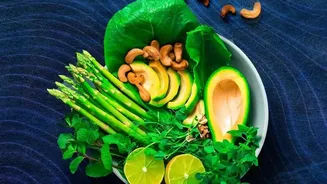
6. Creamy Avocado
Often mistaken for a vegetable, the avocado is a fruit celebrated for its high content of healthy monounsaturated fats. These fats are beneficial for heart health and can help reduce bad cholesterol levels. Avocados are also an excellent source of fiber, which promotes digestive health and contributes to a feeling of fullness, potentially aiding in weight management. Furthermore, they are loaded with potassium, a mineral that helps regulate blood pressure. Their creamy texture makes them a versatile addition to salads, toast, or as a base for healthy dips.
7. Aromatic Cinnamon
Another powerful spice, cinnamon has been used for centuries in both cooking and traditional medicine. It is particularly noted for its potential to help regulate blood sugar levels, making it a valuable addition for those monitoring their glucose. Cinnamon is also rich in antioxidants and possesses anti-inflammatory properties that contribute to overall health. It can be easily sprinkled into your morning coffee, oatmeal, or yogurt, or used in baking and savoury dishes like stews and curries to add a warm, sweet-spicy flavour while delivering a dose of wellness.
8. Hardy Broccoli
As a member of the cruciferous vegetable family, broccoli is a standout for its nutritional profile. It's an excellent source of vitamin C, vitamin K, and fiber. One of its most studied components is sulforaphane, a compound that research suggests may have potent anti-cancer properties and supports the body's detoxification pathways. Including broccoli in your diet can support immune function, bone health, and healthy digestion. Whether steamed, roasted, or added raw to salads, this versatile green is a simple way to pack a powerful nutritional punch into your meals.