




What Exactly Is Mindful Walking?
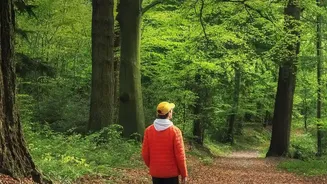
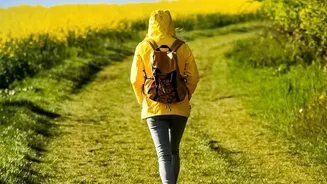
Mindful walking is a form of moving meditation where the journey, not the destination, is the goal. Unlike a brisk power walk or a commute, the intention is not to get somewhere quickly or burn calories, but to bring your full attention to the act of walking itself.
It involves being acutely aware of the physical sensations of your body in motion and the environment around you. Think of it as trading your mental to-do list for a moment-by-moment sensory experience. Practitioners describe it as a way to let go of distracting thoughts and emotions by anchoring yourself in the physical act of taking one step after another. It's an accessible practice that can be done anywhere, from a quiet nature trail to a hallway at work, requiring nothing more than a willingness to slow down and pay attention.
An Accessible Path to Calm
One of the most celebrated benefits of mindful walking is its ability to soothe a stressed mind. The practice works by gently interrupting the cycle of rumination—that loop of replaying worries or anxieties. By deliberately shifting your focus to the rhythm of your breath and the feeling of your feet on the ground, you give your brain a break from overthinking. This combination of gentle movement and focused attention can help calm the nervous system. Research and expert opinion suggest that this practice can help lower stress, reduce blood pressure, and create a general feeling of well-being. For many who find traditional seated meditation challenging, the gentle motion of walking provides a more practical way to achieve a state of relaxation and presence.
Sharpening Your Focus, One Step at a Time
In an age of constant digital distraction and multitasking, our ability to focus on one thing at a time has diminished. Mindful walking serves as a form of attention training. By consciously bringing your wandering mind back to the physical sensations of walking, you are exercising your 'focus muscle'. This repeated practice of returning your attention to the present moment can lead to improved concentration and mental clarity that extends into other areas of your life. It helps cultivate an alert engagement with the world as it unfolds around you, making everyday activities feel richer and more vibrant. Studies have also found a positive link between mindful walking and better cognitive function, suggesting it supports healthy brain aging.
Building Better Body Awareness
Mindful walking is a direct invitation to reconnect with your physical self. The practice encourages you to tune in to the intricate mechanics of movement that we so often take for granted. You are prompted to notice the sensation of your heel striking the ground, the way your weight shifts from one foot to the other, and the gentle swing of your arms. This is more than just noticing your body; it's about developing a deeper sense of interoception—the awareness of your body’s internal state. Over time, this heightened body awareness can help you become more attuned to other physical signals, such as hunger and fullness cues or the early signs of physical tension. This creates a stronger mind-body connection, fostering a greater appreciation for the body and its capabilities.
How to Begin Your Practice
Getting started with mindful walking is simple and requires no special equipment. Find a quiet place where you can walk back and forth for 10 to 15 paces, or simply use a walk around your neighborhood. Begin by standing still for a moment. Take a few deep breaths and notice the feeling of your feet firmly on the ground. Start to walk at a slow, deliberate pace. Bring your attention to the sensations in your feet and legs with each step. After a few moments, you can expand your awareness to include your other senses. What do you see? What can you hear? What smells are in the air? Your mind will inevitably wander. When it does, don't criticize yourself. Simply acknowledge the thought and gently guide your focus back to the sensation of walking. Even five minutes of this practice can make a difference.