



What Is the Best Pot for a Lemon Tree?
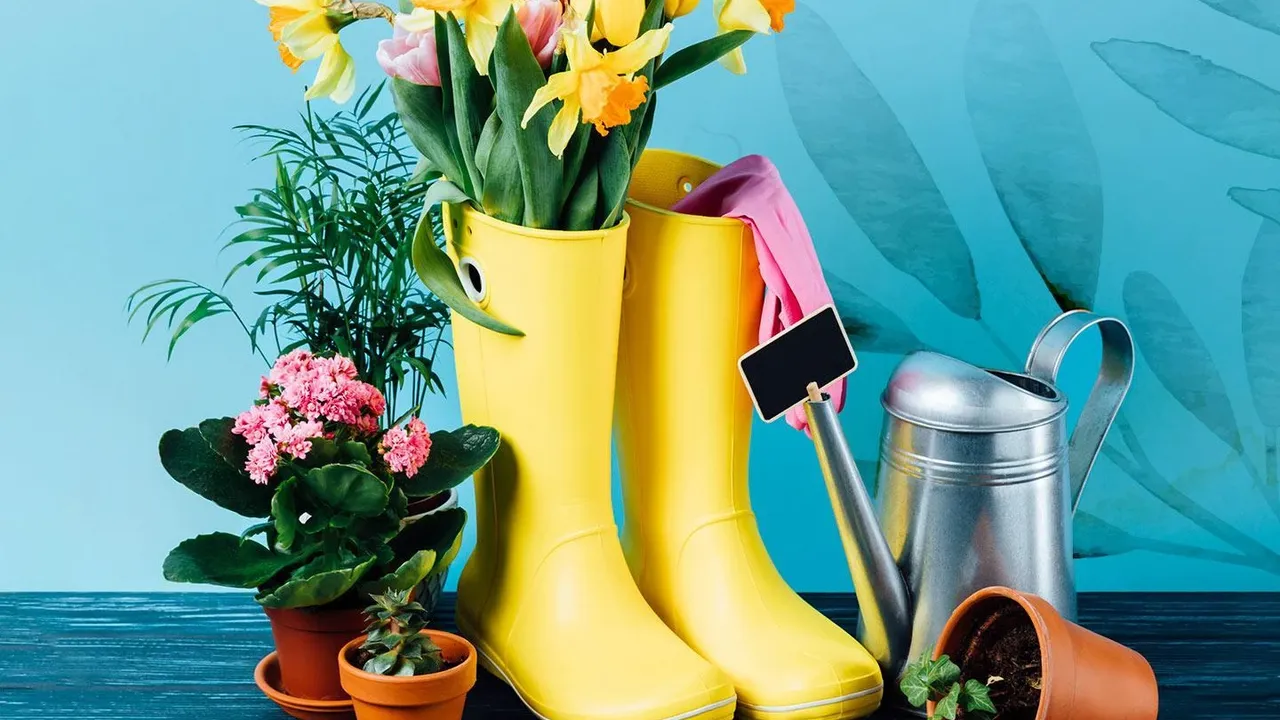
Choosing the right container is the first step to a healthy lemon plant. Drainage is the most critical factor. Your pot must have multiple, ample drainage holes to prevent water from pooling at the bottom, which leads to root rot. When it comes to material,
unglazed terracotta or clay pots are excellent choices because they are porous, allowing air and moisture to move through the sides, which helps the soil breathe. Plastic or glazed ceramic pots retain more moisture, meaning you'll water less frequently. For size, select a pot that is a bit larger than the plant's root ball but avoid going too big at once. A pot that’s excessively large can hold too much moisture, creating a soggy environment that citrus roots dislike. For a young tree, a pot around 10-15 gallons is a good starting point, gradually moving up in size every few years as the tree grows.
What Kind of Soil Do They Need?
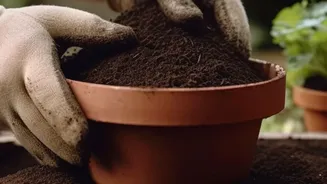
Lemon trees are particular about their soil. Never use regular garden soil in a pot, as it's too dense, compacts easily, and holds too much water, suffocating the roots. The ideal soil is a well-draining, lightweight, and slightly acidic mix, with a pH around 6.0 to 6.5. You can purchase a potting mix specifically formulated for citrus trees. Alternatively, you can create your own mix. A popular and effective DIY recipe is the 5-1-1 mix: five parts pine bark fines, one part perlite, and one part peat moss or coco coir. This blend ensures excellent drainage and aeration, allowing roots to breathe and preventing the soil from becoming a soggy mess.
How Often Should I Water My Lemon Plant?
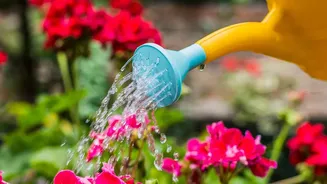
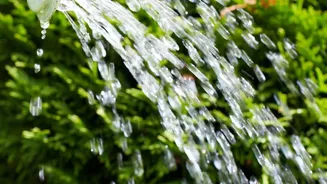
There is no fixed schedule for watering a lemon tree, as its needs change with temperature, humidity, pot size, and light exposure. The golden rule is to check the soil first. Stick your finger about two inches into the soil; if it feels dry at that depth, it's time to water. If it feels moist, wait another day or two and check again. When you do water, do so thoroughly. Pour water slowly and evenly over the soil until it freely runs out of the drainage holes at the bottom. This ensures the entire root system gets a drink. After about 30 minutes, be sure to empty any excess water from the saucer beneath the pot, as letting the plant sit in standing water can cause root rot.
Am I Overwatering or Underwatering?
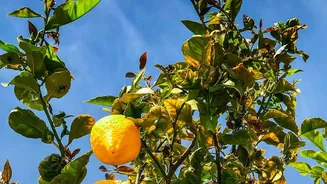
The signs for both overwatering and underwatering can be confusingly similar, often involving yellowing or drooping leaves. However, there are subtle differences. Overwatered plants often have yellow leaves that feel soft and drop easily. The soil might have a musty smell, and in severe cases, the roots will be brown and slimy instead of firm and white. Conversely, an underwatered plant's leaves may curl, and the edges might turn brown and crispy. The soil will feel bone dry and may pull away from the sides of the pot. The plant will look wilted, but its leaves typically perk up soon after a thorough watering. The most reliable way to tell the difference is to feel the soil before you act. If the leaves are yellow but the soil is soggy, you're overwatering. If the leaves are wilting and the soil is dry, it's time for a drink.
Do I Need to Change Watering in Different Seasons?
Absolutely. A lemon tree's water needs fluctuate throughout the year. During the active growing season of spring and summer, especially in hot or windy weather, you may need to water your outdoor potted tree as often as every day. The increased light and heat cause moisture to evaporate much faster. Indoor plants will also need more frequent watering during these months. In the fall and winter, when the plant's growth slows down, you should reduce watering significantly. For an indoor tree, this might mean watering once a week or even less. Always rely on the soil-check method rather than a calendar. The key is to adapt to your tree's needs as its environment changes.