






The Challenge of Traditional Strawberry Farming
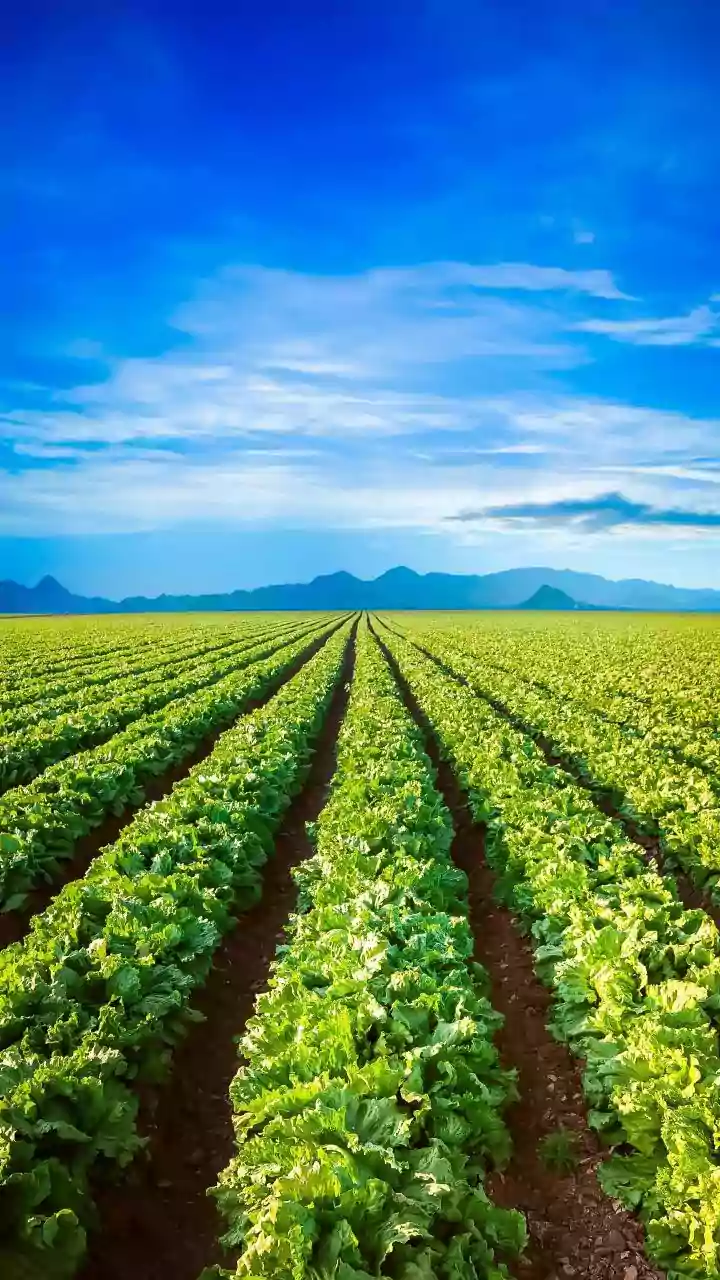
Strawberry cultivation in India has traditionally been concentrated in specific regions like Mahabaleshwar in Maharashtra, which offers the necessary cool climate and well-drained soil. This geographical limitation, coupled with the crop's vulnerability
to unpredictable weather like heavy rains, makes it a risky venture. Traditional open-field farming requires significant land, ample water, and constant vigilance against soil-borne diseases and pests. For a fruit with high consumer demand and premium market value, these challenges have historically created a barrier for farmers in other parts of the country hoping to enter this lucrative market.
A Vertical Solution Emerges
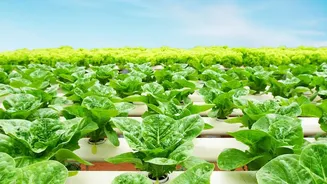
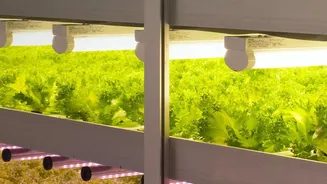
Enter vertical farming, a method that is quite literally turning agriculture on its head. The five-layer tower system is a form of hydroponics, where plants are grown in stacked layers instead of in the ground. In these setups, strawberry saplings are planted in a soilless medium like cocopeat (coconut husk fibre) held within the tower's containers. A drip irrigation system delivers a nutrient-rich water solution directly to the roots of each plant. This controlled environment setup allows farmers to cultivate crops in a much smaller footprint, making it an ideal solution for areas with limited or expensive land. By moving cultivation indoors or under protected structures like polyhouses, farmers can also mitigate the risks posed by adverse weather conditions.
More Berries, Less Water
The benefits of this high-tech approach are significant. The most striking advantage is the massive increase in planting density. By growing upwards, a farmer can cultivate many more plants in the same square footage, leading to a much higher overall yield. Some estimates suggest one acre of vertical farming can produce the equivalent of four to six acres of conventional farming. This method is also incredibly water-efficient, with studies and practitioners reporting water savings of 70% to 95% compared to traditional soil-based cultivation. Furthermore, because the fruit doesn't touch the soil, spoilage and the incidence of soil-borne fungal diseases are drastically reduced, which often means less reliance on chemical pesticides.
The Economics of Going Vertical
While the long-term benefits are compelling, adopting vertical farming requires a significant upfront investment. Costs can range from a few lakhs for a small setup to crores for a large, fully automated commercial farm. These costs cover the structure, growing systems, irrigation, and sometimes, climate control technology. However, for many agri-preneurs, the potential for high returns justifies the initial expense. Strawberries fetch a premium price in Indian markets, and the ability to grow them year-round in some setups extends the earning window well beyond the traditional season. Government subsidies under schemes like the National Horticulture Mission can also help offset some of the initial setup costs, making the technology more accessible to a wider range of farmers.
Beyond the Strawberry Patch
The innovation of five-layer farming is not limited to strawberries. The same principles and technology can be applied to a variety of other high-value crops, including leafy greens, herbs, and other berries. This diversification presents a powerful model for the future of Indian agriculture, particularly in and around urban areas. As cities expand and farmland becomes scarcer, vertical farming offers a path to growing fresh produce locally, reducing transportation costs and ensuring a stable supply chain. It represents a shift towards a more resilient, resource-efficient, and climate-smart way of feeding a growing population.